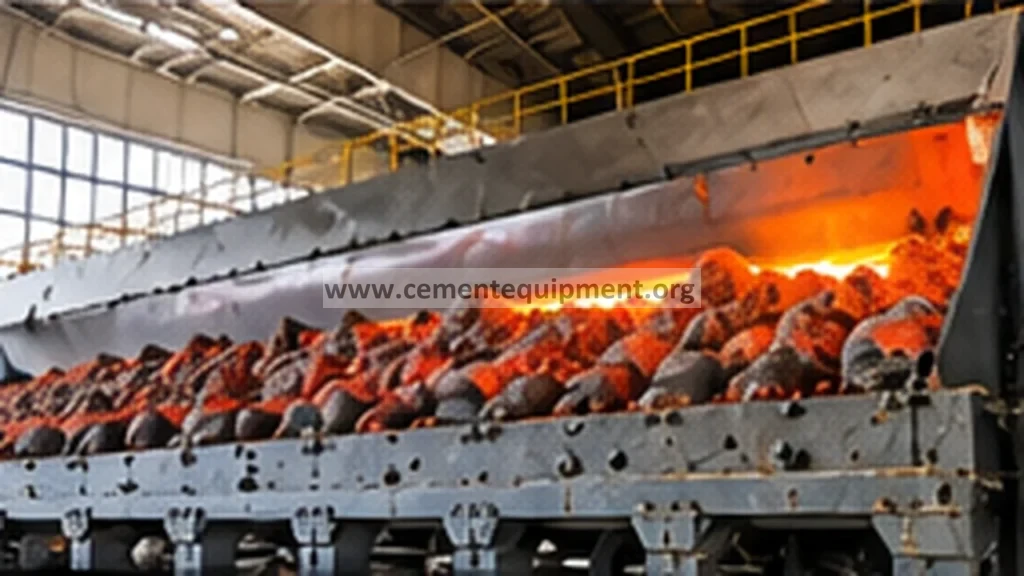
Clinker Cooler Grate Plate Overheating: Red-Hot Zone Troubleshooting
Diagnose clinker cooler grate-plate overheating and red-hot zones using thermal patterns, compartment airflow, bed depth, clinker distribution, leakage and grate condition.
Diagnose clinker cooler grate-plate overheating and red-hot zones using thermal patterns, compartment airflow, bed depth, clinker distribution, leakage and grate condition.

Diagnose repeated cement screw-conveyor coupling-bolt failures using fracture evidence, load history, shaft alignment, hanger bearings, flight contact, fastener specification and drive shock.
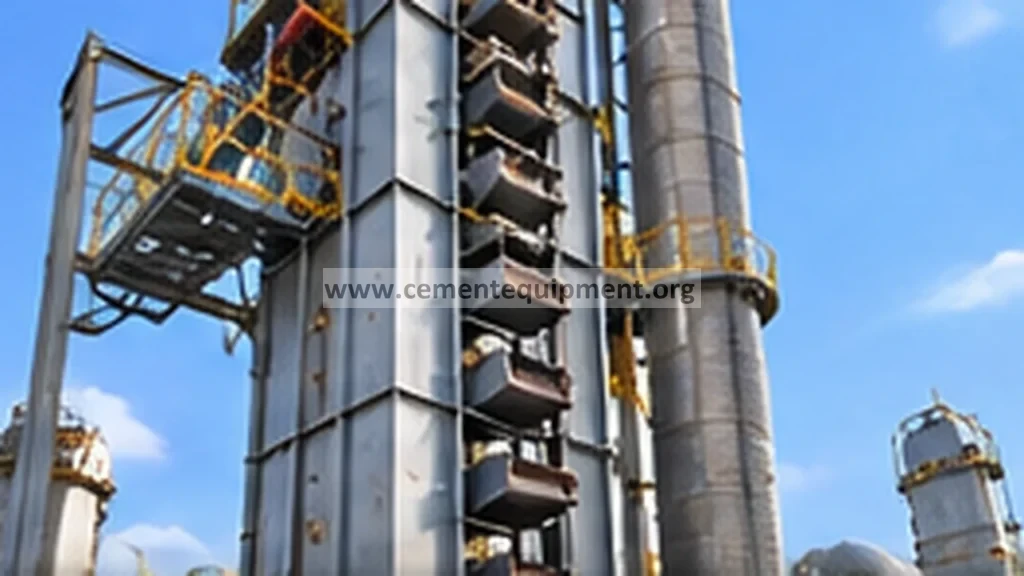
Diagnose bucket-elevator casing rubbing using contact marks, bucket condition, belt or chain tracking, pulley alignment, take-up travel and load distribution before adjusting the system.

Diagnose cement-kiln thrust roller overheating using roller temperature, kiln axial position, contact pattern, lubrication, support-roller condition and recent alignment work. Verify the cause before making adjustments.
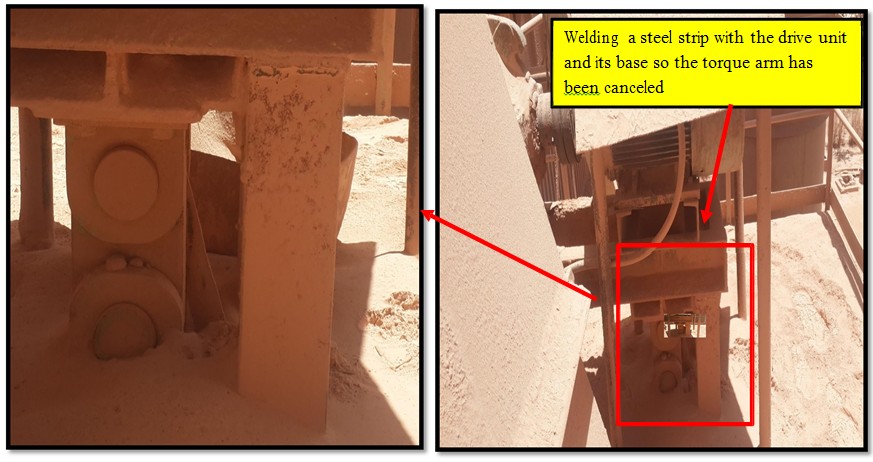
Diagnose cement bucket-elevator belt slip using take-up position, pulley lagging, boot loading, bearings and tracking evidence before increasing belt tension.
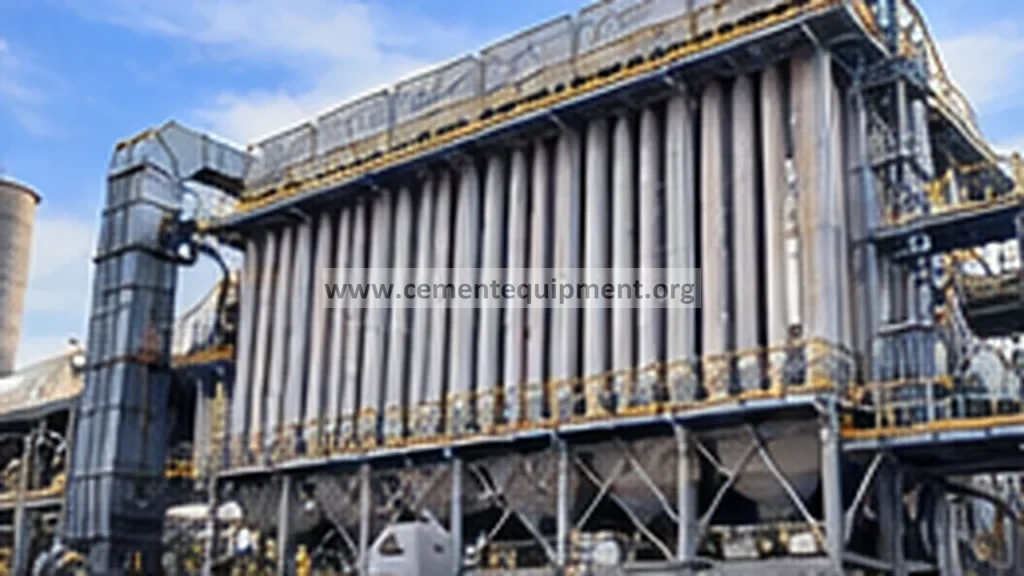
Diagnose low pulse-cleaning pressure when upstream compressed-air pressure appears normal. Check local header pressure and recovery, regulators, restrictions, drains, leaks, diaphragm valves and pulse timing.
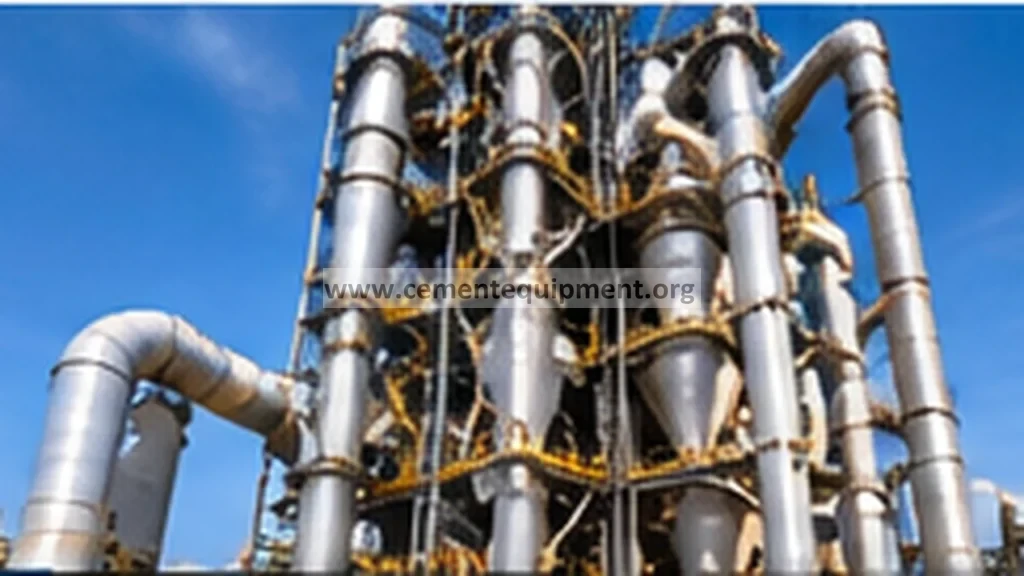
Troubleshoot cement preheater gas-analyzer probe plugging using sample flow, purge, filters, temperature and deposits to distinguish sampling-system faults from process-gas changes.
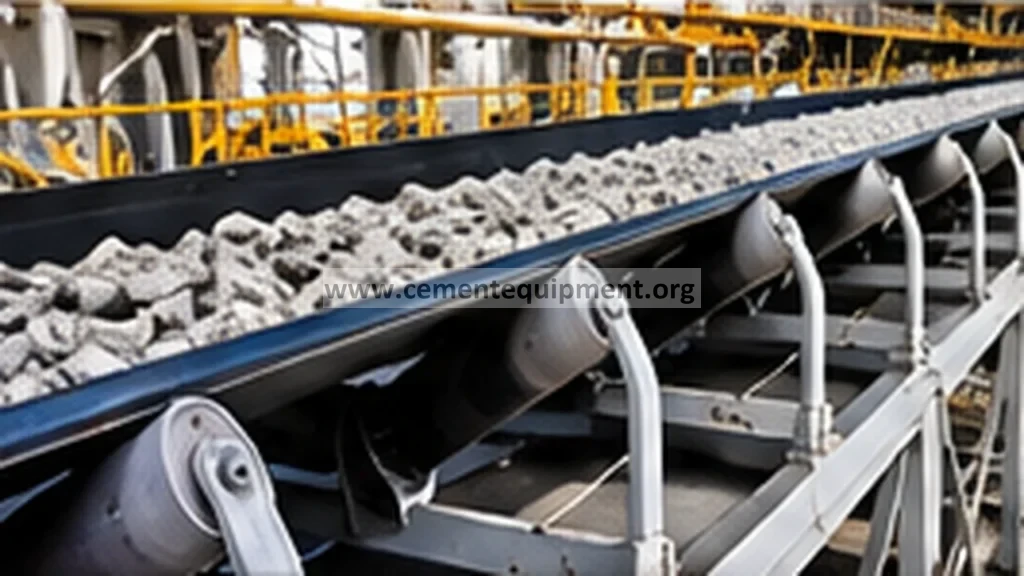
Diagnose cement belt-conveyor pull-cord nuisance trips by checking switch alignment, cable tension, wiring, vibration and PLC inputs without compromising emergency-stop protection.
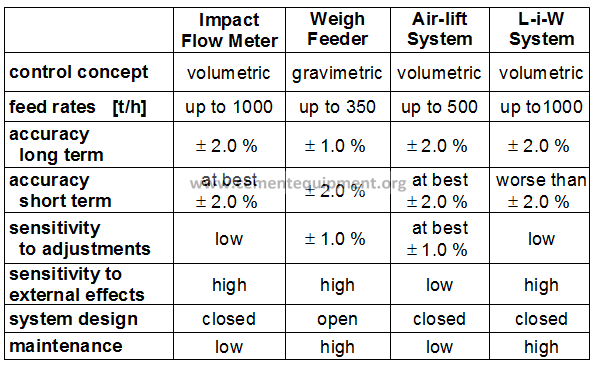
Diagnose cement weigh-feeder belt mistracking using loading symmetry, pulley and idler geometry, tension, weigh-bridge clearance and load-cell movement before recalibration.
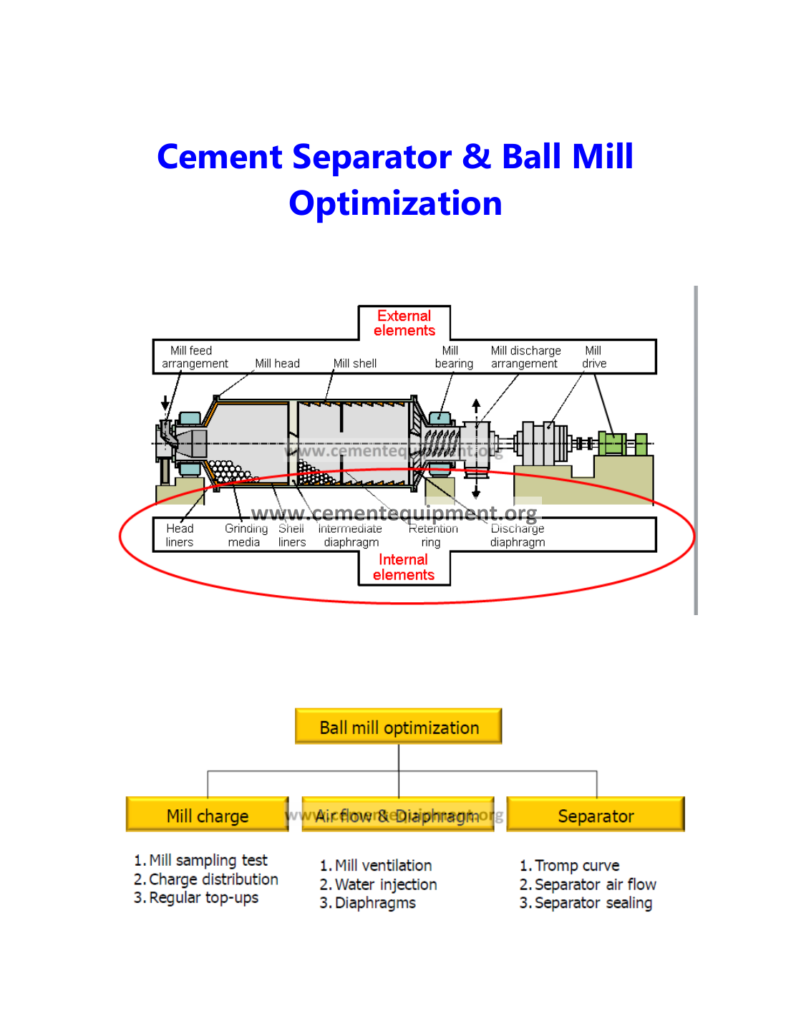
Troubleshoot cement separator cage buildup causing high reject and unstable classification. Use reject trend, rotor condition, airflow, deposits and feed evidence to isolate buildup from process causes.
Free PDF — clinker chemistry, kiln sizing, ball mill power, and more. Enter your email and we'll send it immediately.
No spam. Unsubscribe anytime.
Your PDF is on its way. Plus 6 more emails with cement plant tips and case studies.