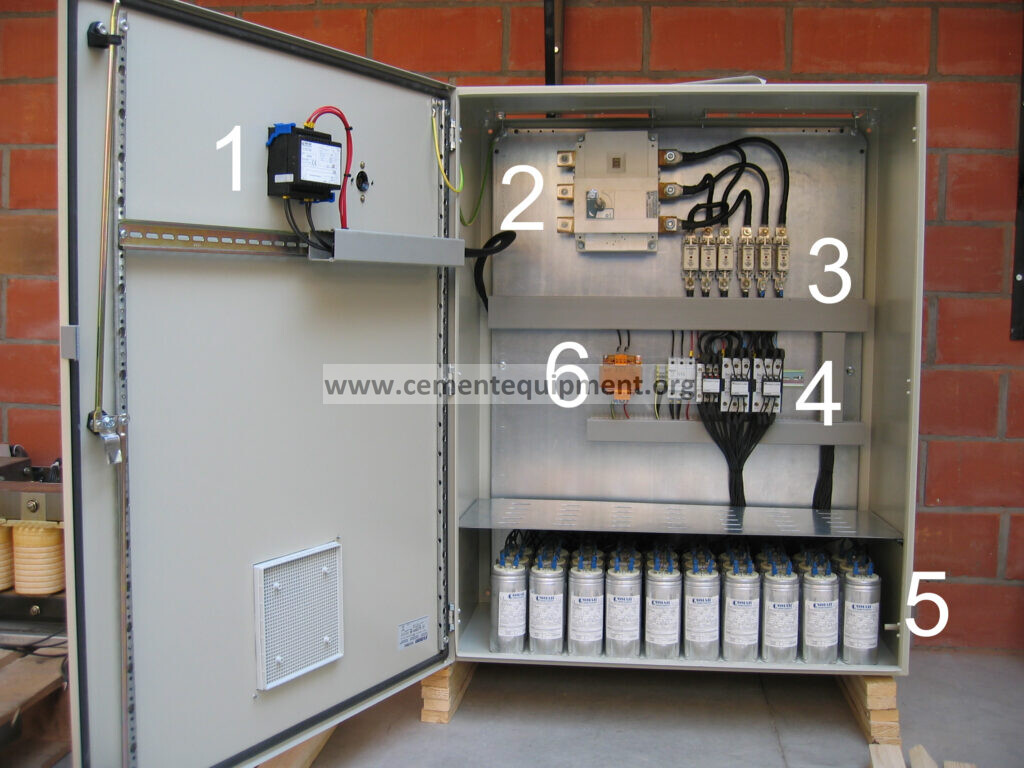
Power Factor Capacitor Bank Step Hunting
Diagnose power-factor capacitor-bank step hunting by separating real kvar load changes from CT/controller errors, weak steps, switching-device faults and harmonic conditions.
Diagnose power-factor capacitor-bank step hunting by separating real kvar load changes from CT/controller errors, weak steps, switching-device faults and harmonic conditions.
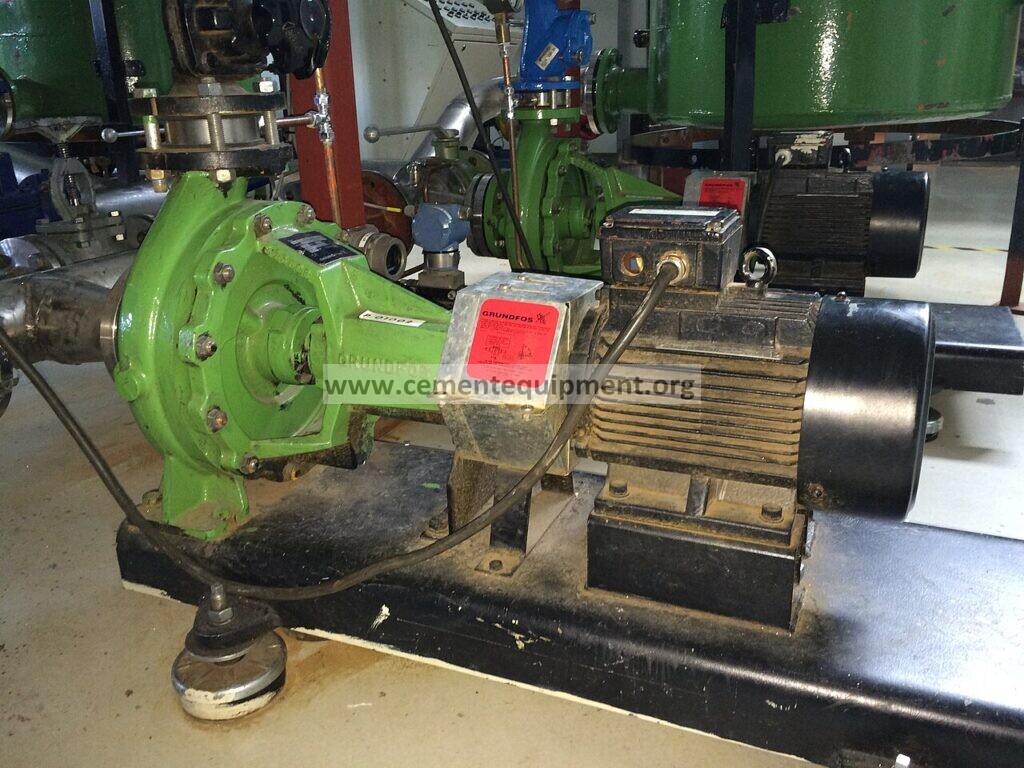
Diagnose cooling-water pump cavitation after strainer cleaning by checking suction pressure, valve lineup, strainer reassembly, trapped air, source level, temperature, NPSH and suction-side air ingress.
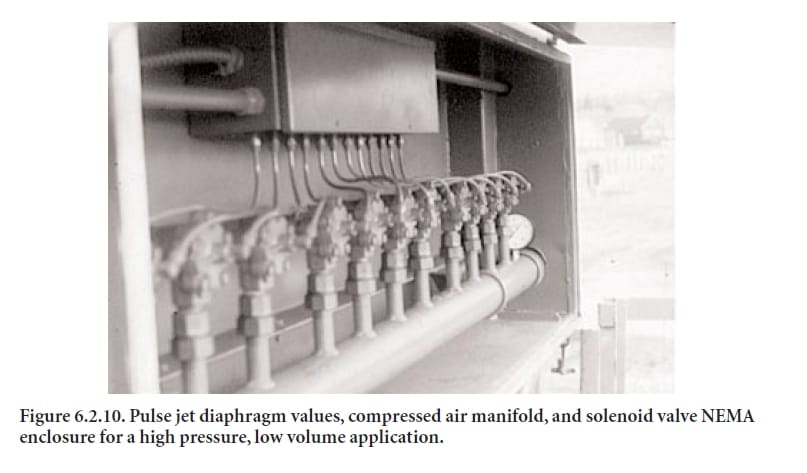
Diagnose frequent air-compressor load/unload cycling using pressure trends, receiver storage, leaks, pressure-band settings, major demand events, sensing accuracy and multi-compressor sequencing.
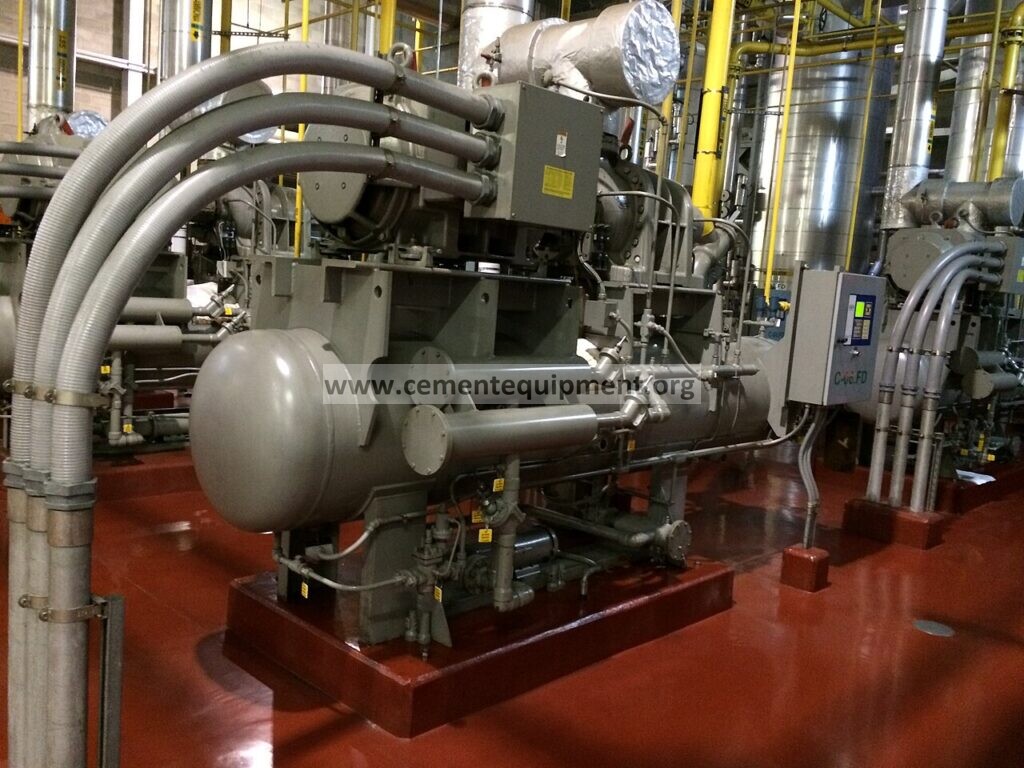
Diagnose high compressor discharge temperature after filter replacement by checking element specification, pressure drop, cooling airflow/water, oil circuit and disturbed temperature sensing.
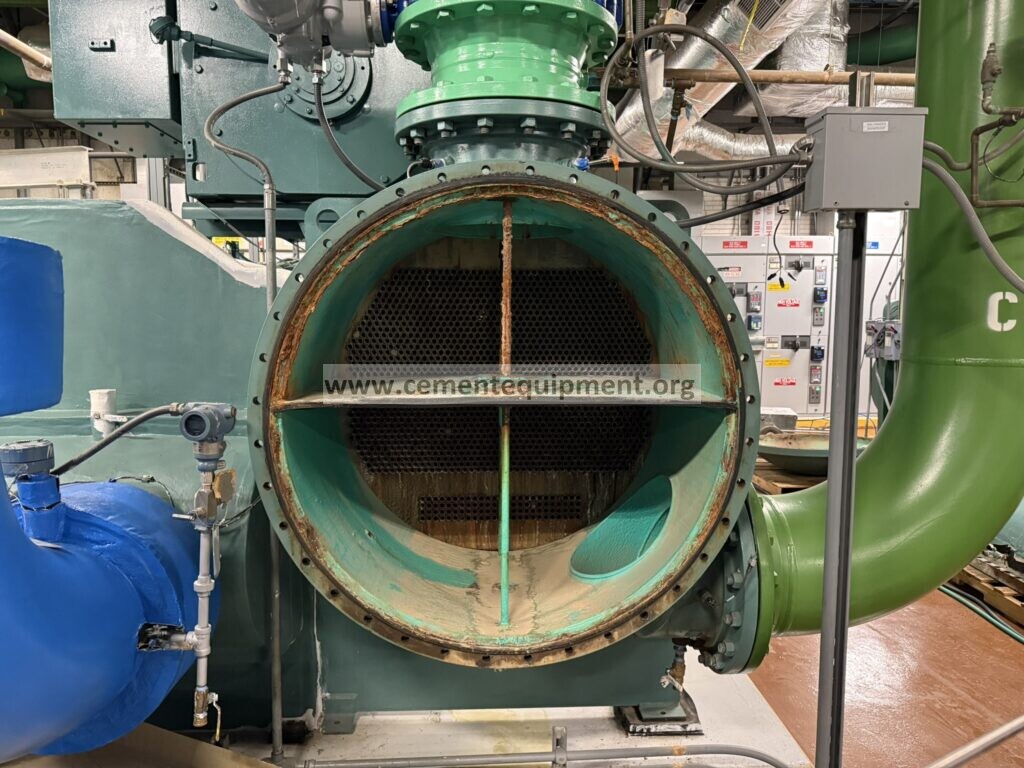
A low lubrication-oil cooler pressure drop after cleaning can reflect reduced fouling, reduced oil flow, bypass leakage, assembly defects or instrumentation error. Compare verified flow, temperatures, valve positions and OEM baselines before returning the cooler to service.
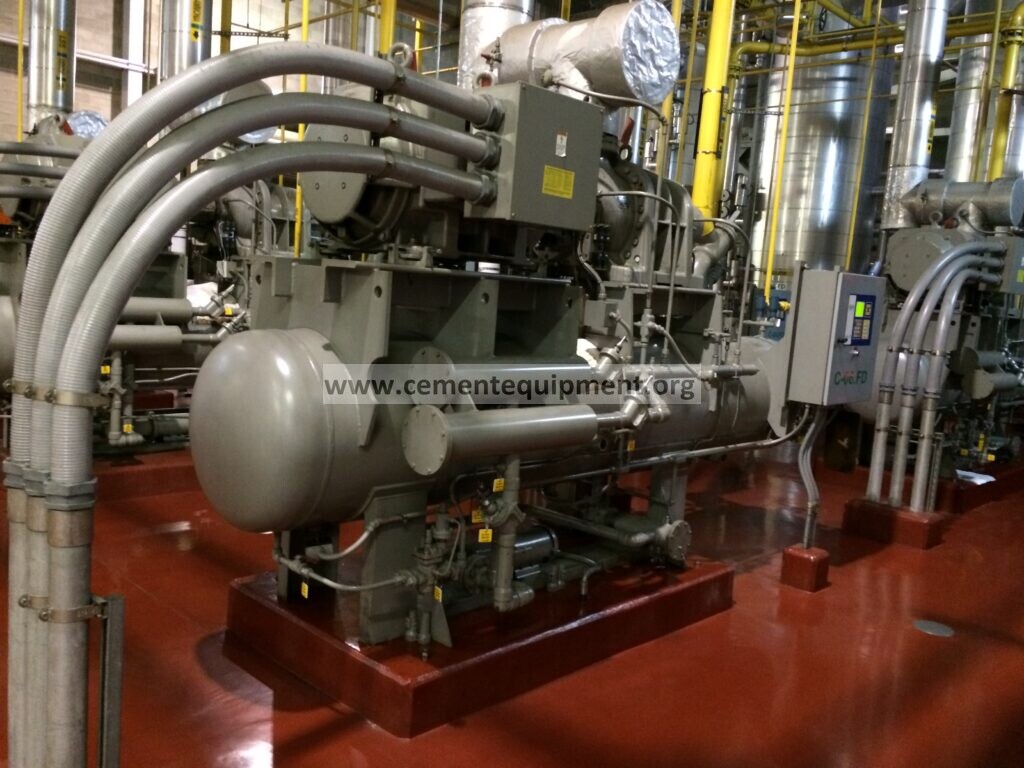
Diagnose increased oil carryover after a screw-compressor separator element replacement. Check element compatibility, sealing, scavenge return, oil level, differential pressure and operating conditions before returning the compressor to service.
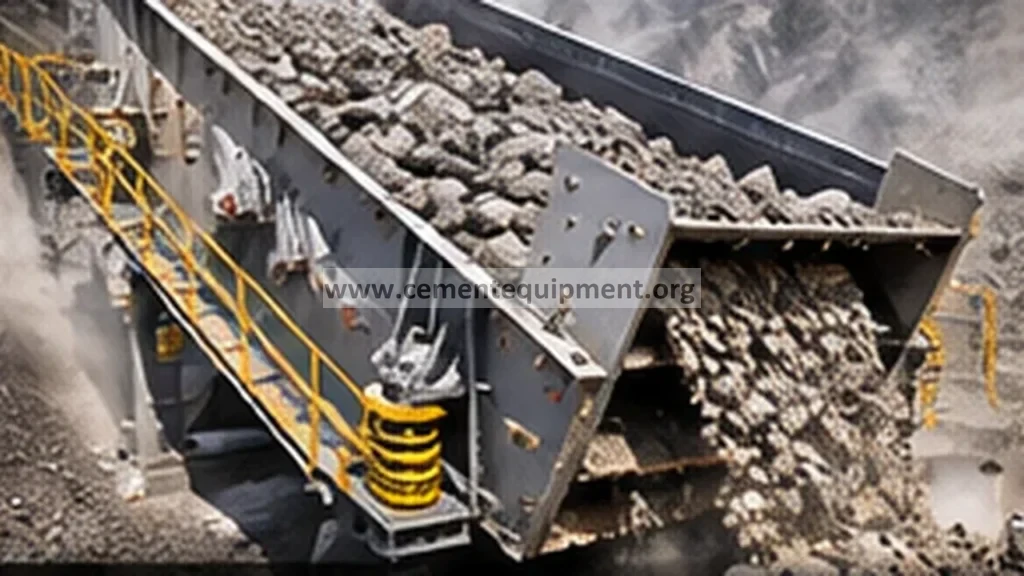
Diagnose a crusher feed-hopper high-level switch that indicates full despite an apparently clear hopper. Verify buildup, sensing geometry, wiring, device configuration and protective function before return to service.
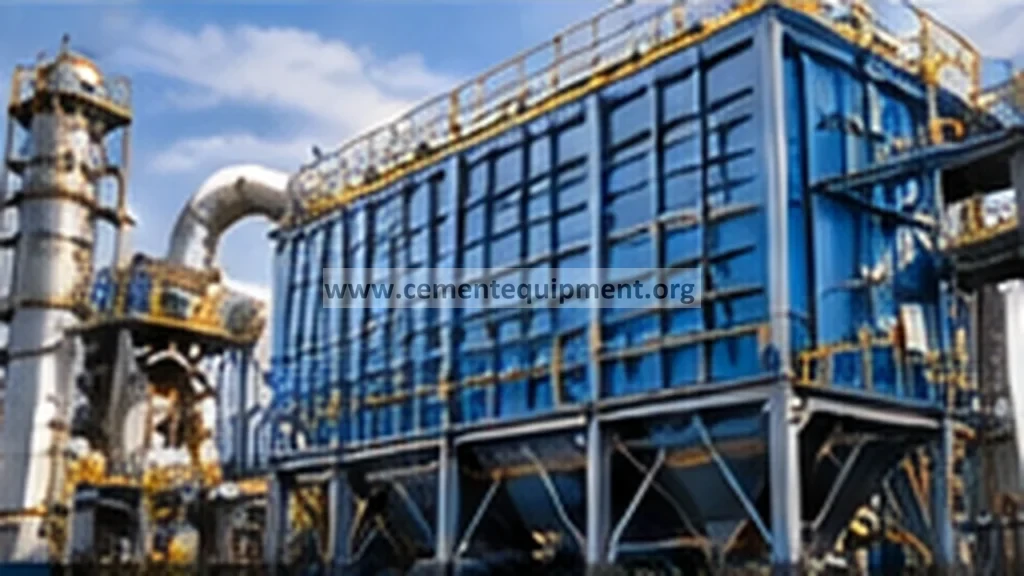
Diagnose slow pulse-jet bag filter valve response by checking the electrical command, pilot airflow, diaphragm action and local header-pressure recovery before changing cleaning settings.
A practical guide to diagnosing clinker cooler grate hot spots after restart: correlate thermal patterns with bed depth, undergrate airflow, grate condition and operating trends, then verify corrective actions against plant and OEM requirements.
Diagnose raw-mill separator reject-cone buildup and unstable circulating load. Review reject flow, differential pressure, airflow, deposits and feed trends before selecting cleaning or process adjustments.
Free PDF — clinker chemistry, kiln sizing, ball mill power, and more. Enter your email and we'll send it immediately.
No spam. Unsubscribe anytime.
Your PDF is on its way. Plus 6 more emails with cement plant tips and case studies.