
Kc Combustion: Complete Technical Guide
The combustion is the engine of the kiln: the chemical energy of the fuel released in the flame is the only energy that the clinkering process receive
The combustion is the engine of the kiln: the chemical energy of the fuel released in the flame is the only energy that the clinkering process receive
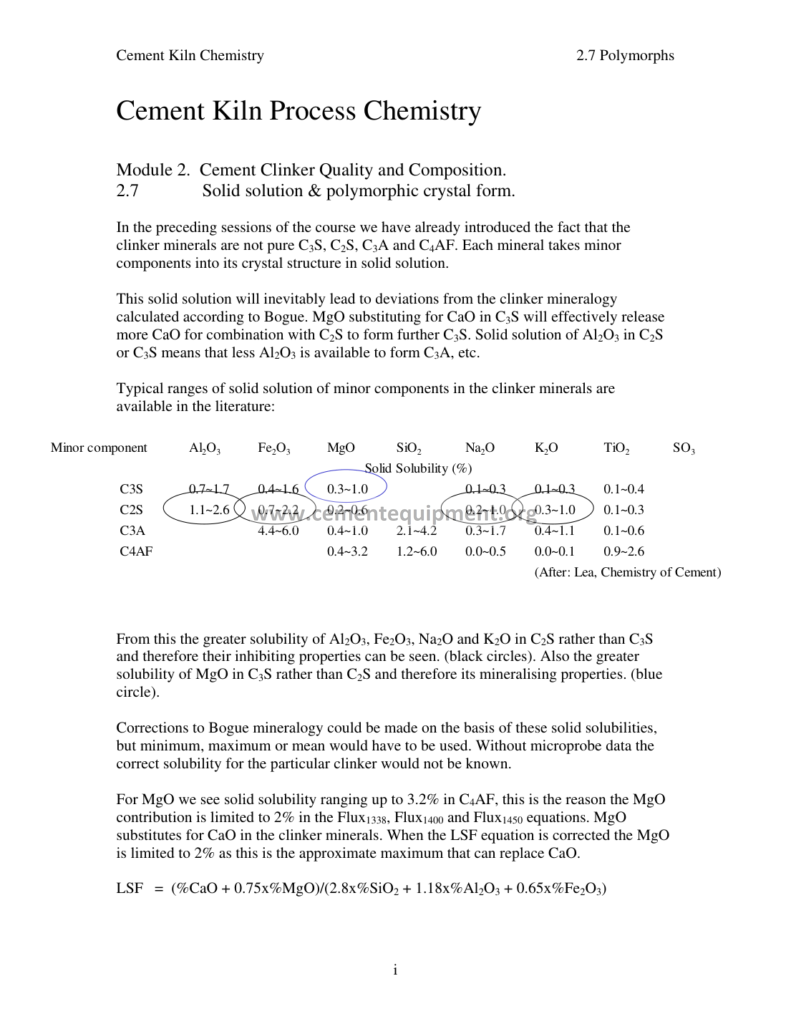
The polymorphs are the multiple faces of the same chemistry: the alite that forms at 1,450 degrees changes its crystal structure as it cools, the beli

The K2O barrier is the invisible wall inside every cement kiln: the potassium oxide that the raw materials and the fuels carry into the system does no

The Bogue deviation is the distance between the estimate and the reality: module 2.4 computed the clinker phases from the oxides with the four classic

The Bogue composition is the arithmetic of the clinker mineralogy: the four equations that turn the routine oxide analysis of the plant laboratory int
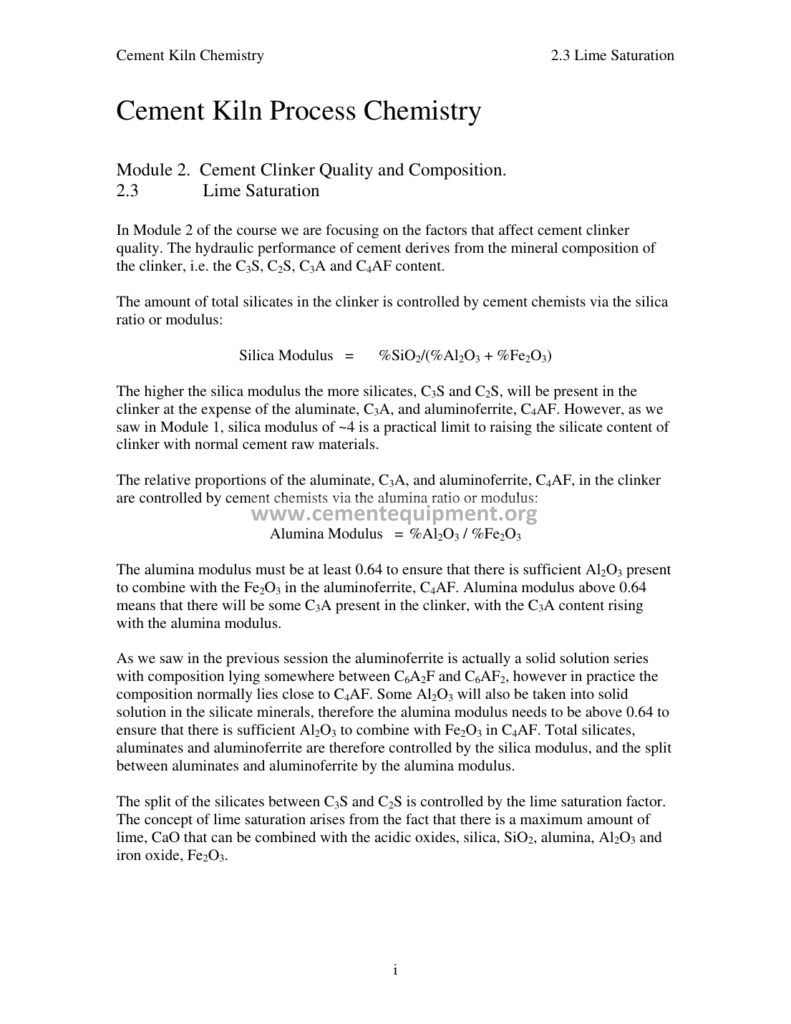
The lime saturation of the raw mix is the single most important number that the cement chemist writes: it tells how close the mix stands to the maximu

The CASF system is the four-oxide phase diagram on which the entire clinker burning is drawn: calcium oxide, aluminium oxide, silicon dioxide and iron

The mineralised clinker is the clinker that refuses the classical 1450 degrees: the same raw meal, or one slightly modified, burns at 1350 to 1400 deg

The kiln chemistry of the cement plant is the science of turning the four oxides of the quarry into the four phases of the clinker: calcium oxide, sil
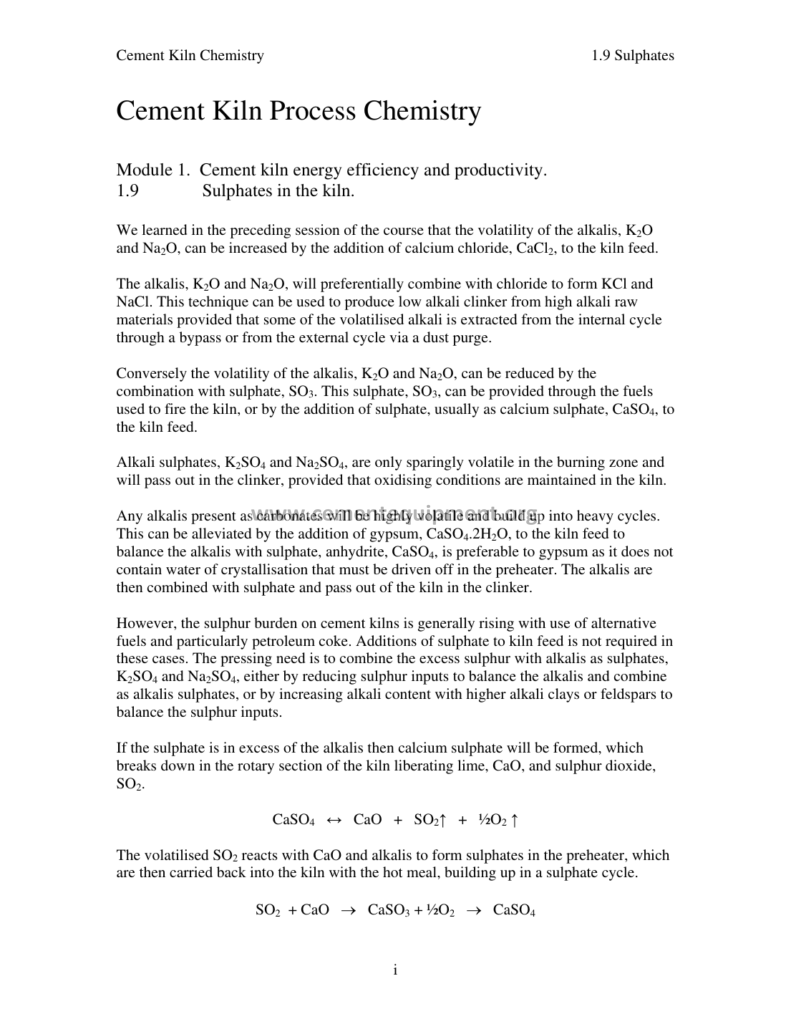
The sulphur of the cement kiln is the hardest element to please: the same atom that the burning zone needs for the fluxing of the melt, the same sulph
Free PDF — clinker chemistry, kiln sizing, ball mill power, and more. Enter your email and we'll send it immediately.
No spam. Unsubscribe anytime.
Your PDF is on its way. Plus 6 more emails with cement plant tips and case studies.