Kiln Chemistry Course 3: Plumes Module
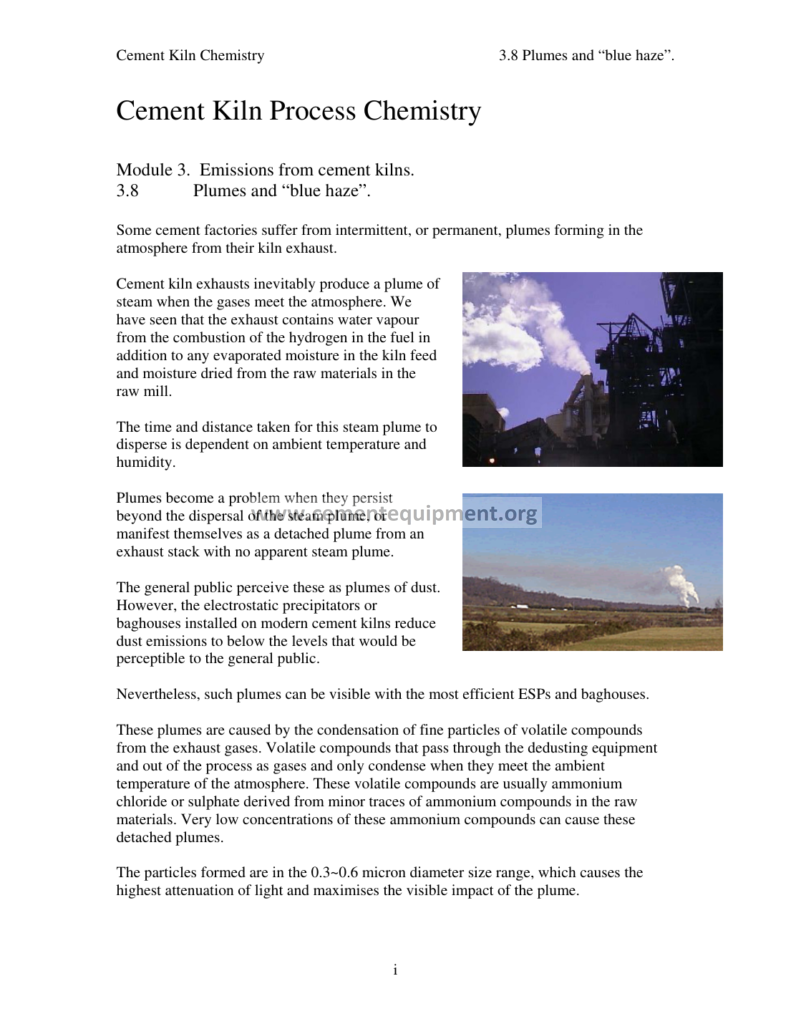
Module 3.8 teaches the physics and the chemistry of what the neighbors see: the visible plume of the cement kiln stack is the meeting point of the flu
Module 3.8 teaches the physics and the chemistry of what the neighbors see: the visible plume of the cement kiln stack is the meeting point of the flu
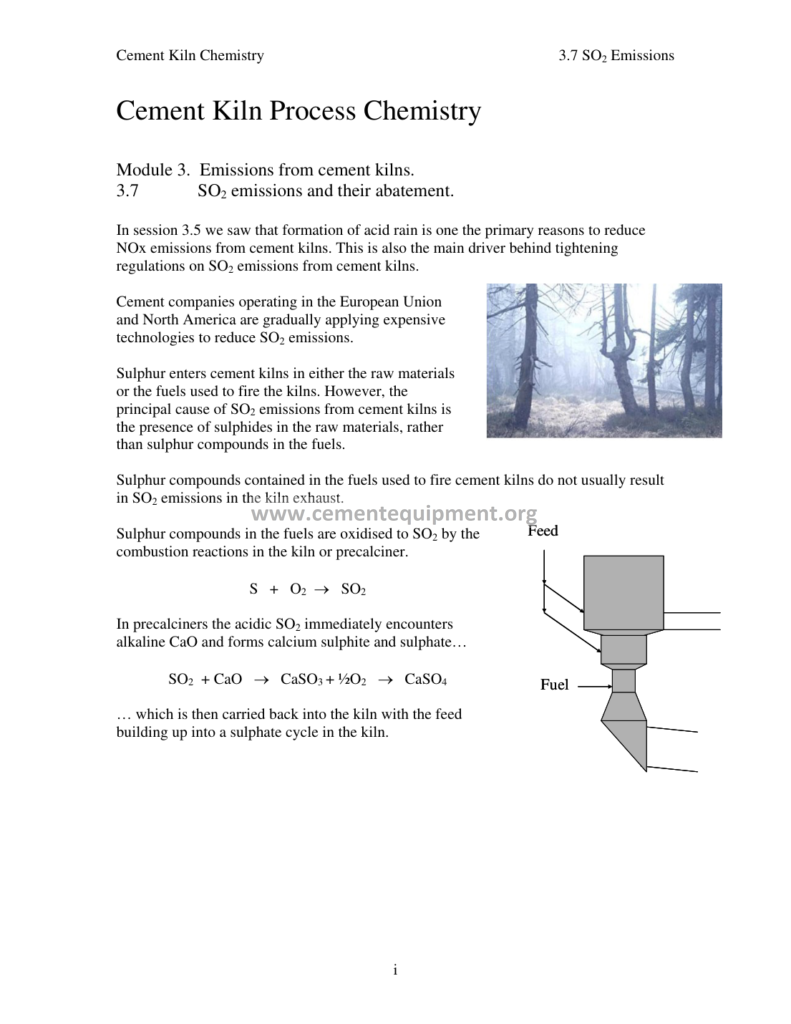
Module 3.7 teaches the sulfur dioxide chemistry that divides the cement plants into the quiet and the noisy neighbors: the SO2 of the cement kiln ente
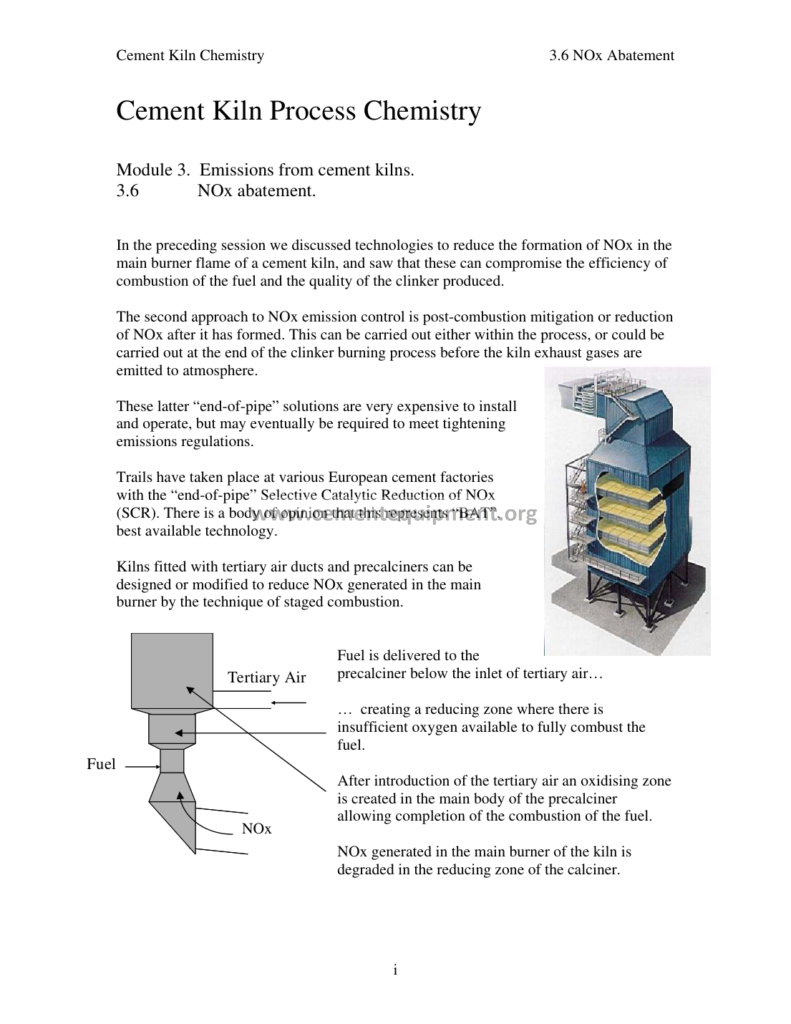
Module 3.6 teaches the oxygen-side and the nitrogen-side chemistries that bring the kiln’s NOx down: the abatement ladder climbs from the process-clos
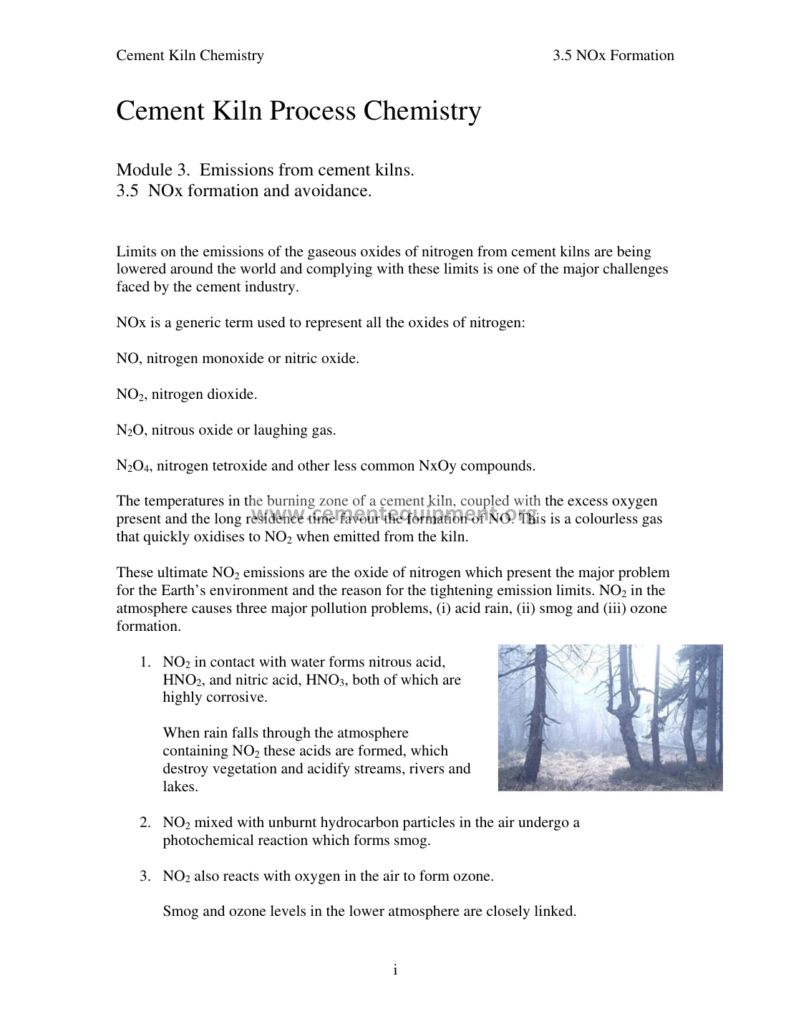
Module 3.5 teaches where the nitrogen oxides of the cement kiln come from, molecule by molecule: the flame of the kiln and the calciner converts a sma
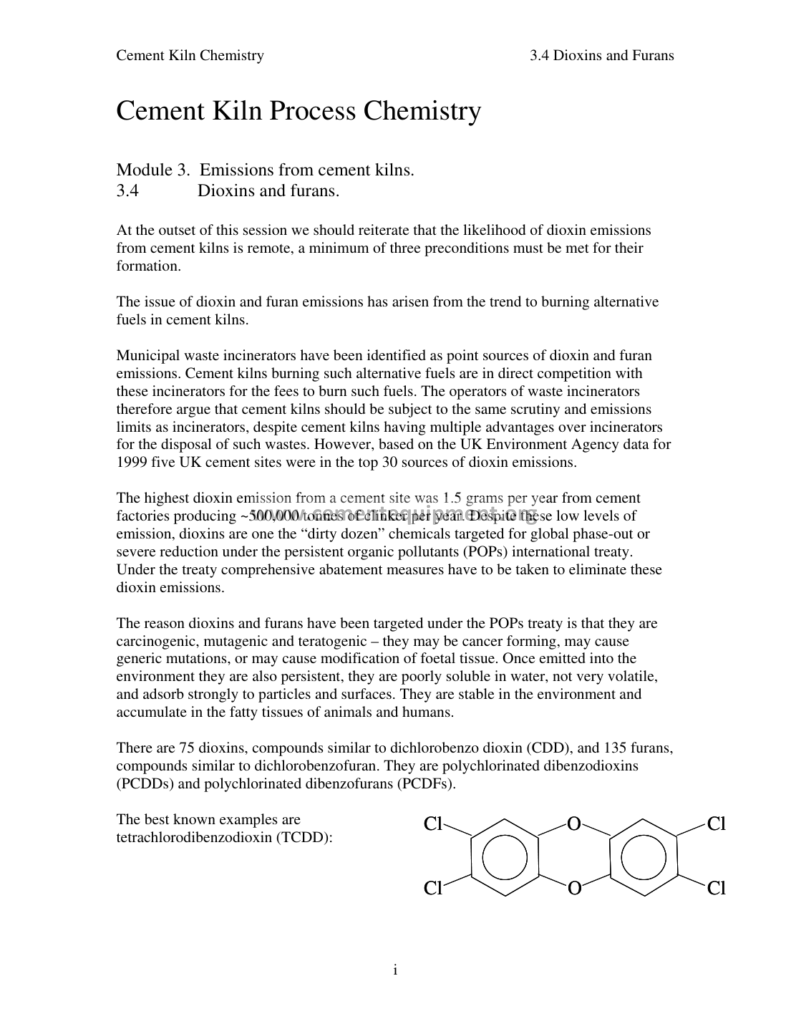
Module 3.4 teaches the most feared trace emissions of the thermal process world, and it teaches them with the precision that the fear demands: the pol
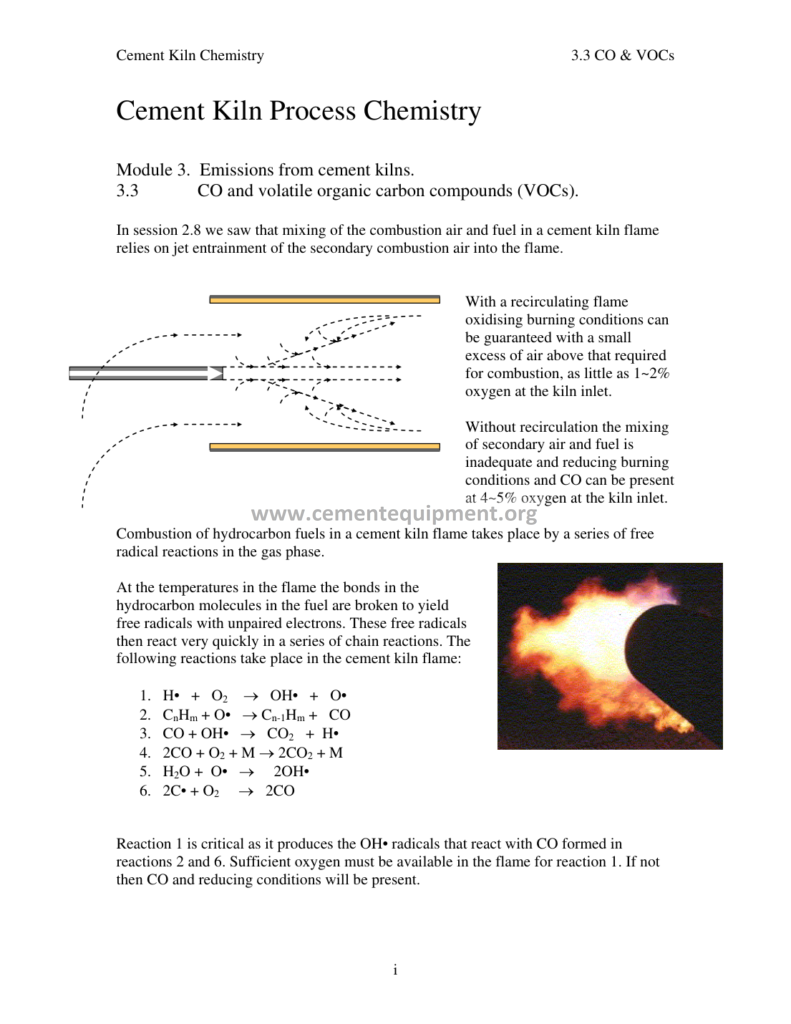
Module 3.3 teaches the two carbon signatures of the imperfect combustion: the carbon monoxide that the flame and the process upsets leave unburned, an
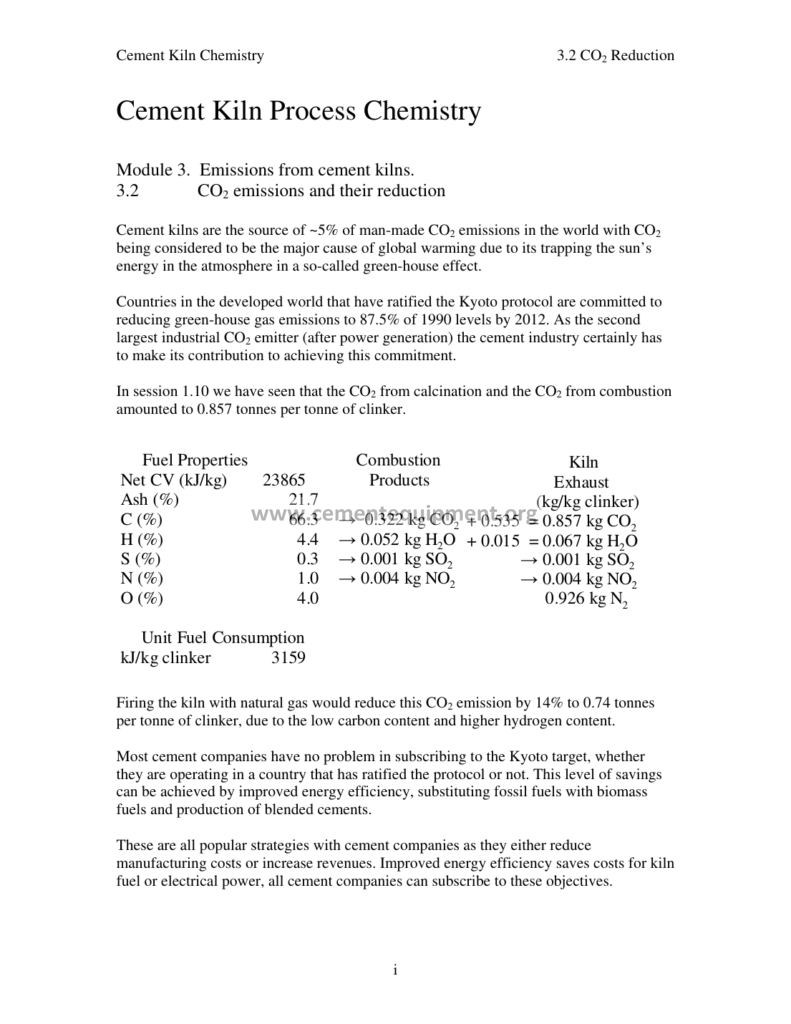
The carbon dioxide is the largest emission of the cement kiln by two orders of magnitude, and module 3.2 teaches the chemistry behind every ton of it:
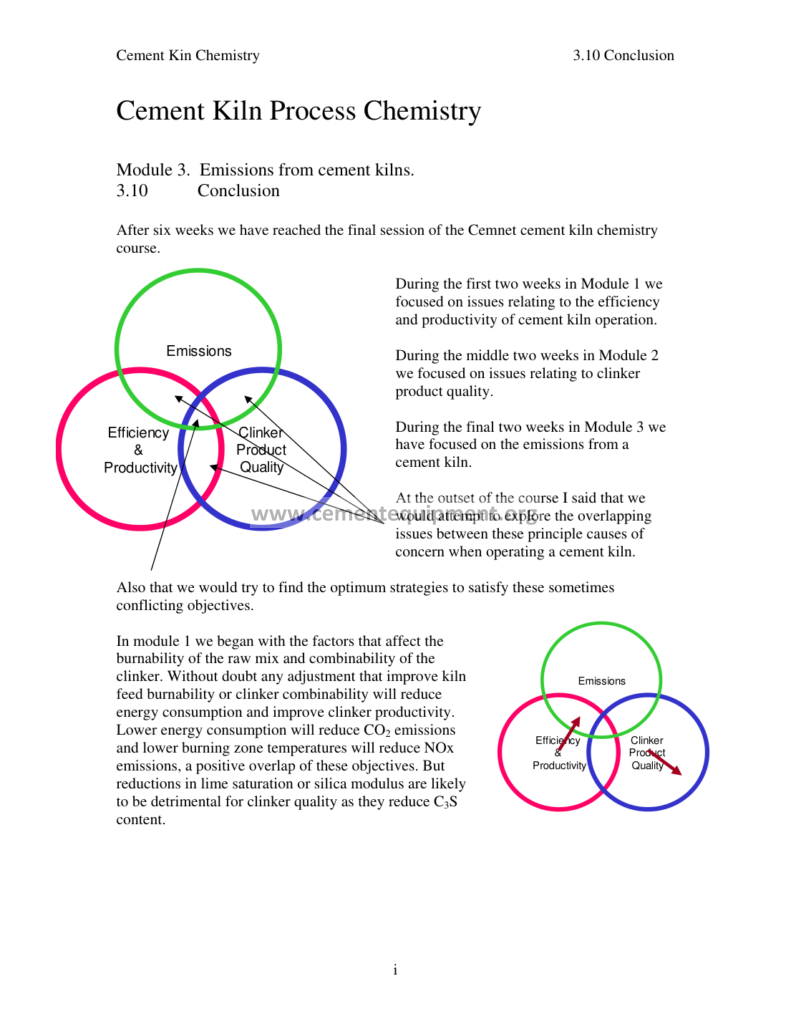
Module 3.10 closes the emission part of the kiln chemistry course by drawing the complete picture that the nine previous modules built in their separa
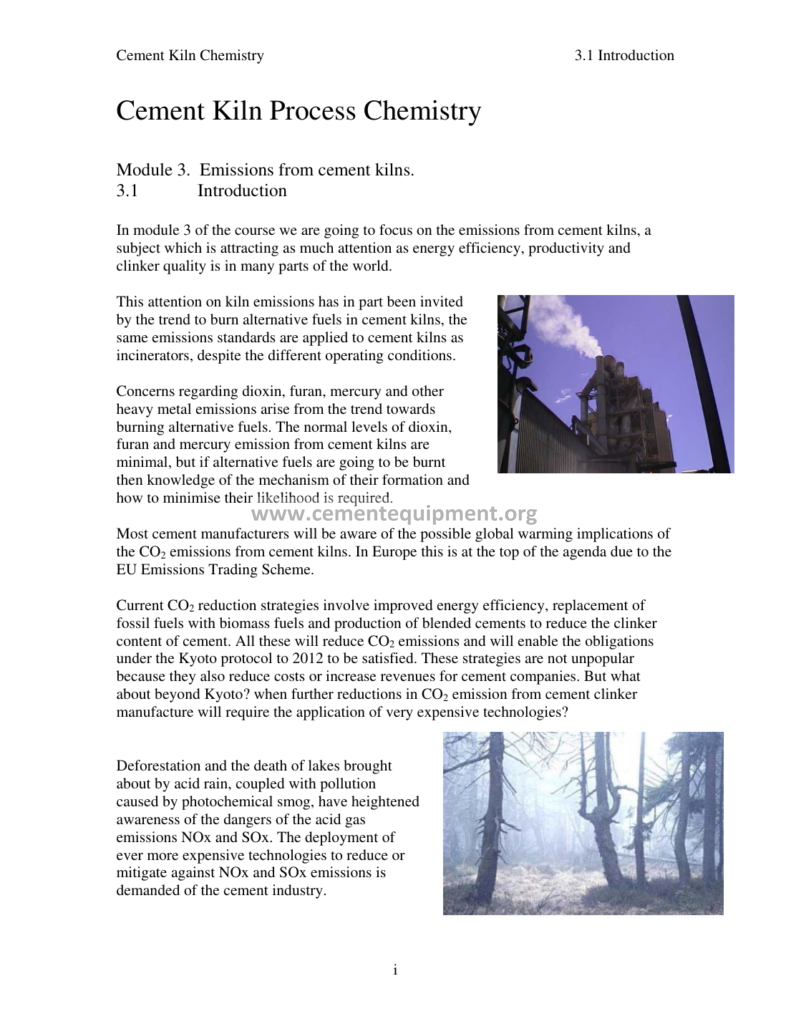
Part 3 of the kiln chemistry course opens the emission side of the kiln door: modules 1 and 2 followed the raw meal through the preheater, the kiln an
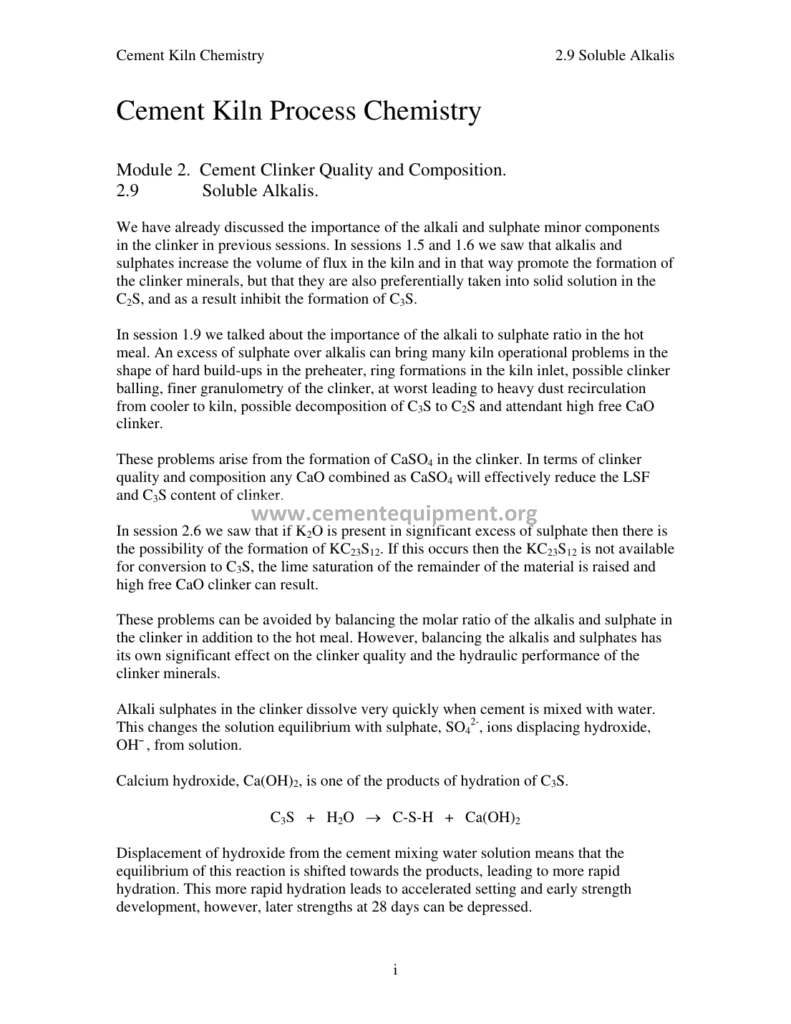
The soluble alkalis are the part of the potassium and the sodium that the water can pull out of the cement: module 2.6 followed the potassium barrier
Free PDF — clinker chemistry, kiln sizing, ball mill power, and more. Enter your email and we'll send it immediately.
No spam. Unsubscribe anytime.
Your PDF is on its way. Plus 6 more emails with cement plant tips and case studies.