
Kc Chloride Cycles: Complete Technical Guide
The chlorine is the most dangerous traveller of the cement process: no other element cycles with the violence of the chloride: nearly all the chlorine
The chlorine is the most dangerous traveller of the cement process: no other element cycles with the violence of the chloride: nearly all the chlorine
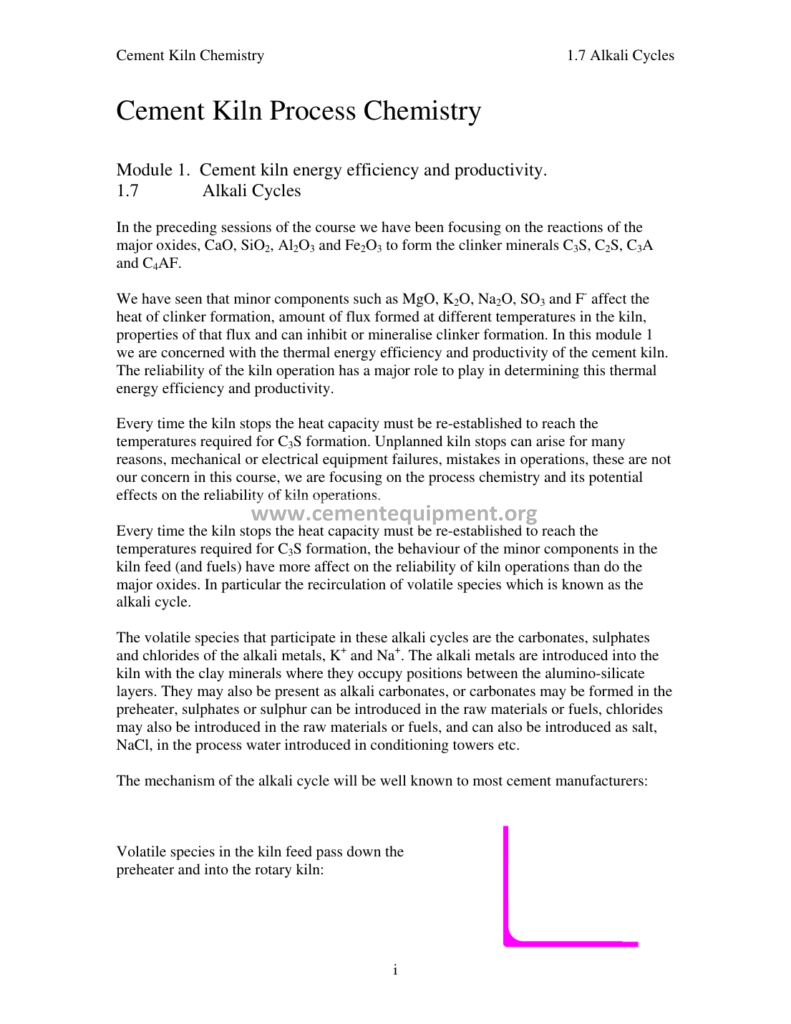
Every kilogram of potassium and sodium that enters the cement kiln is a traveller: part of it is trapped in the clinker, but a substantial share evapo
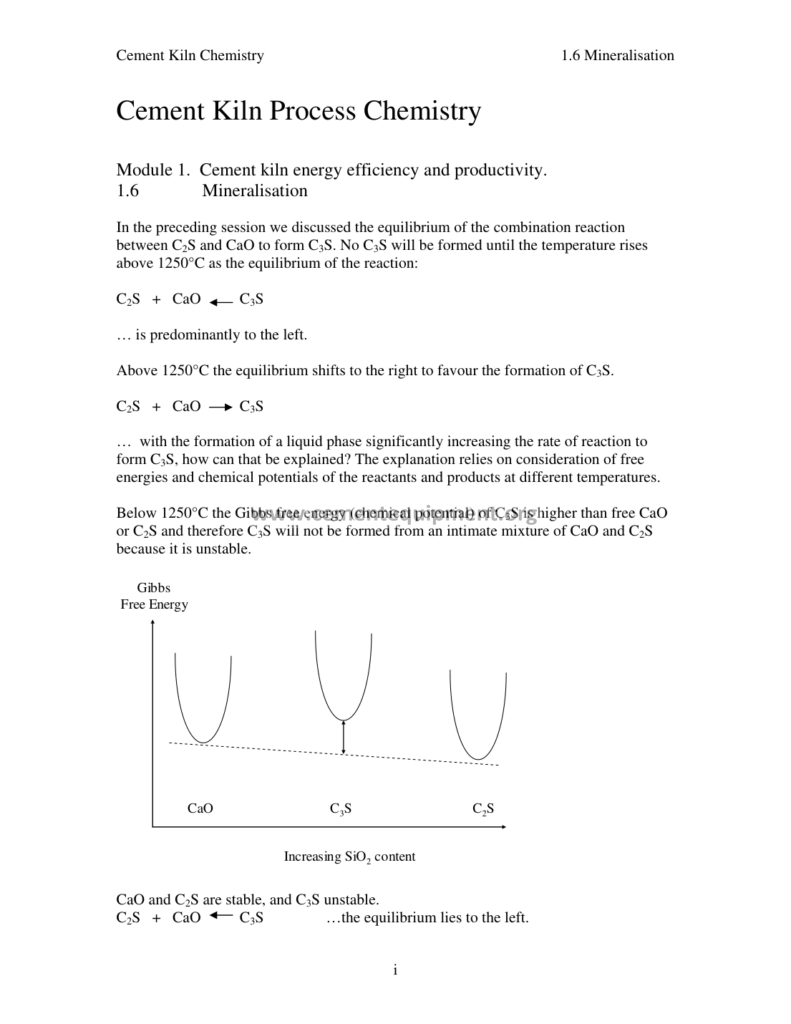
The mineralisation is the chemistry of the accelerators: a handful of elements, present in the raw meal in fractions of a percent, can move the first-
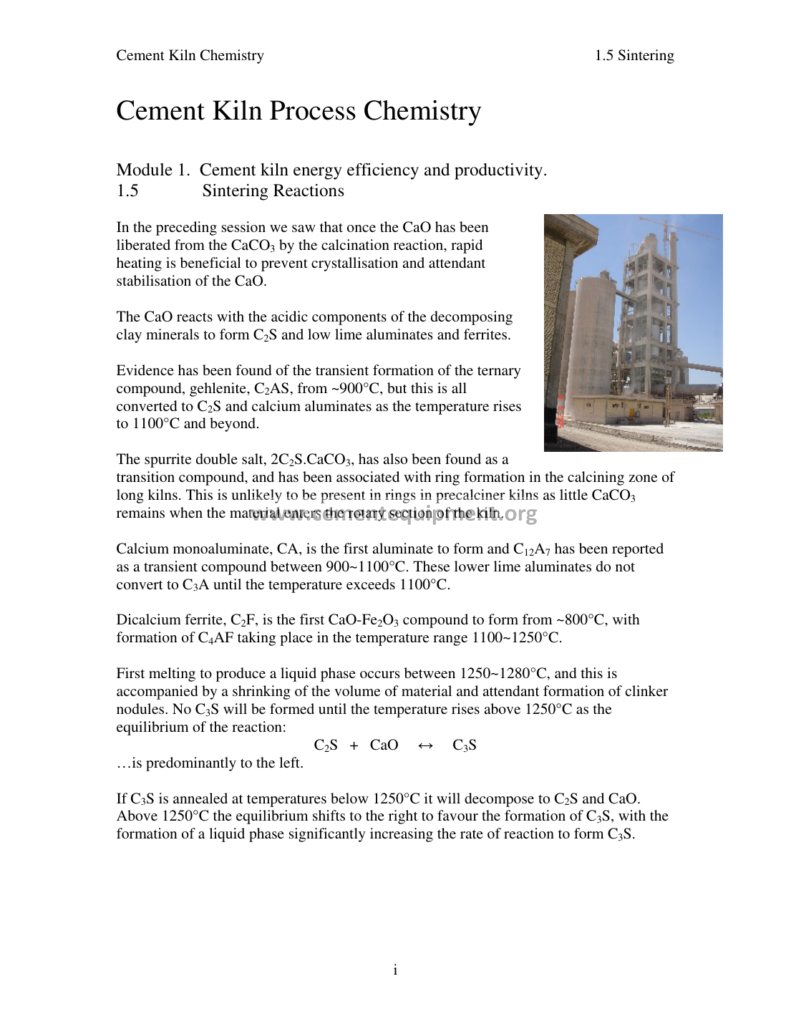
The sintering is the alchemical moment of the cement process: the moment when the calcined meal, a loose powder of the lime, the silica, the alumina a

The calcination is the great chemical engine of the cement process: the decomposition of the calcium carbonate into the calcium oxide and the carbon d

The raw meal of a cement plant is never a constant: every kilogram that enters the kiln carries the memory of the quarry bench from which it was blast
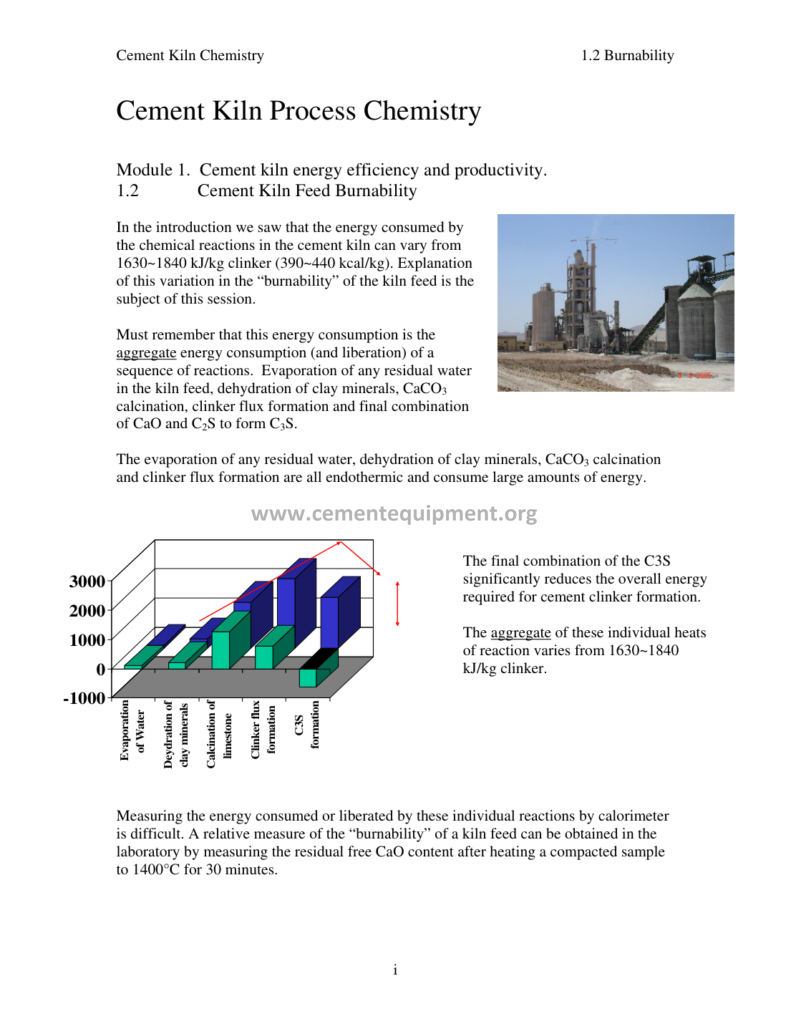
Burnability is the chemical character of the raw meal: the measure of how easily the meal burns into a well-clinkered nodule at a given temperature, t

The flame of the cement kiln is the most powerful chemical instrument of the plant: a stream of the pulverised coal, the primary air and the secondary

The rotary cement kiln is, at its heart, a chemical reactor: a long inclined rotating tube in which a fine powder of limestone, clay and corrective ma

The cement technical training program is the complete curriculum of the cement engineer: the structured path from the quarry face to the dispatch silo
Free PDF — clinker chemistry, kiln sizing, ball mill power, and more. Enter your email and we'll send it immediately.
No spam. Unsubscribe anytime.
Your PDF is on its way. Plus 6 more emails with cement plant tips and case studies.