Innovations In Cement Manufacturing: Complete Guide & Downlo
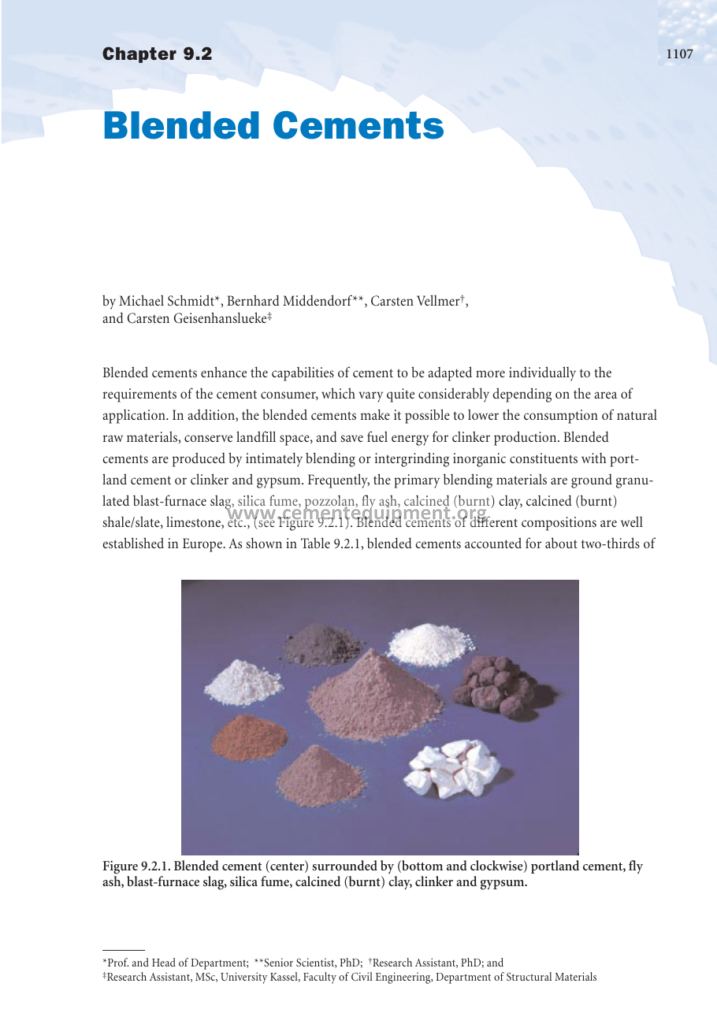
Chapter 9.2 of the Innovations in Cement Manufacturing series turns from the process to the product: the chemistry of the binder itself. The portland
Chapter 9.2 of the Innovations in Cement Manufacturing series turns from the process to the product: the chemistry of the binder itself. The portland
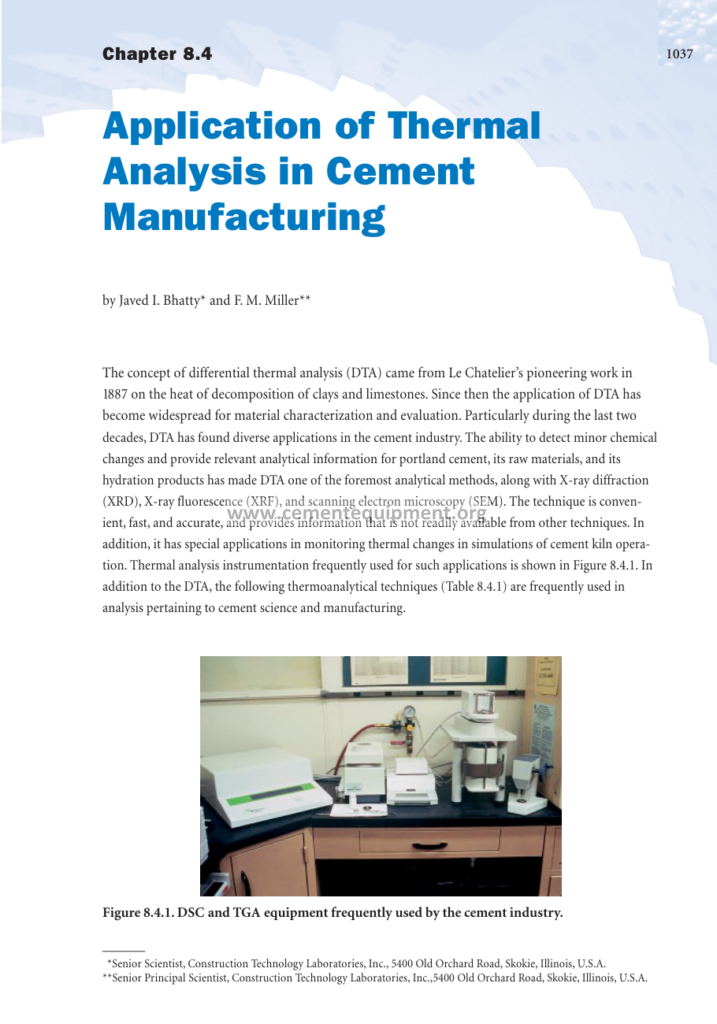
Chapter 8.4 of the Innovations in Cement Manufacturing series addresses the defining environmental problem of the cement industry: the carbon dioxide
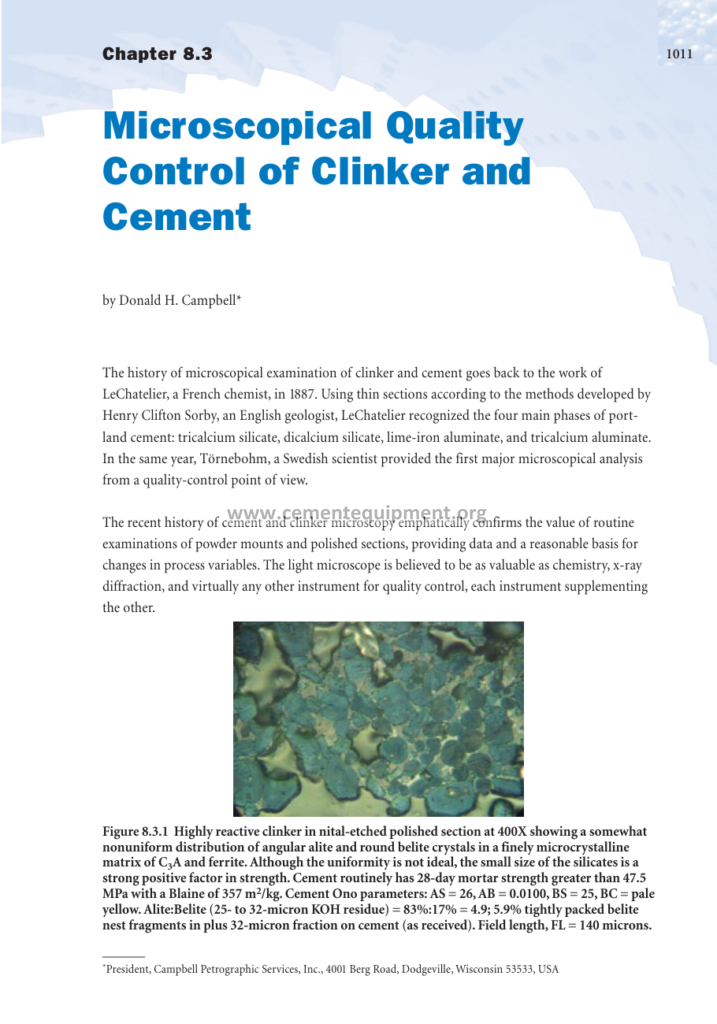
Chapter 8.3 of the Innovations in Cement Manufacturing series treats the abatement of the two acid gas families that dominate the environmental agenda
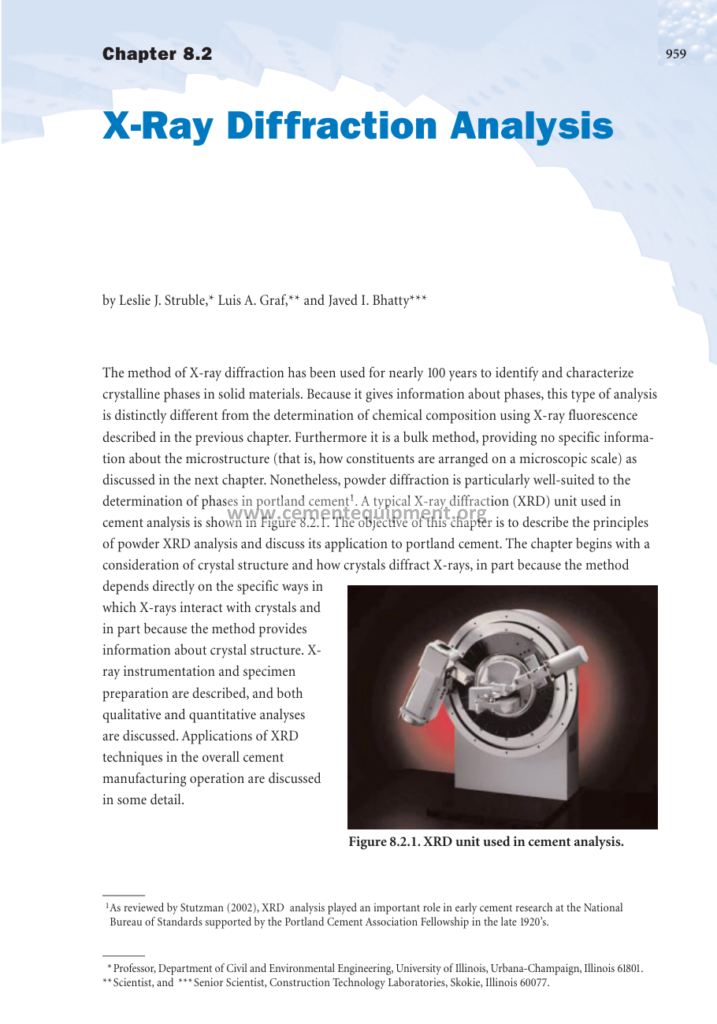
Chapter 8.2 of the Innovations in Cement Manufacturing series examines the air pollution control systems of the cement plant, and above all the techno
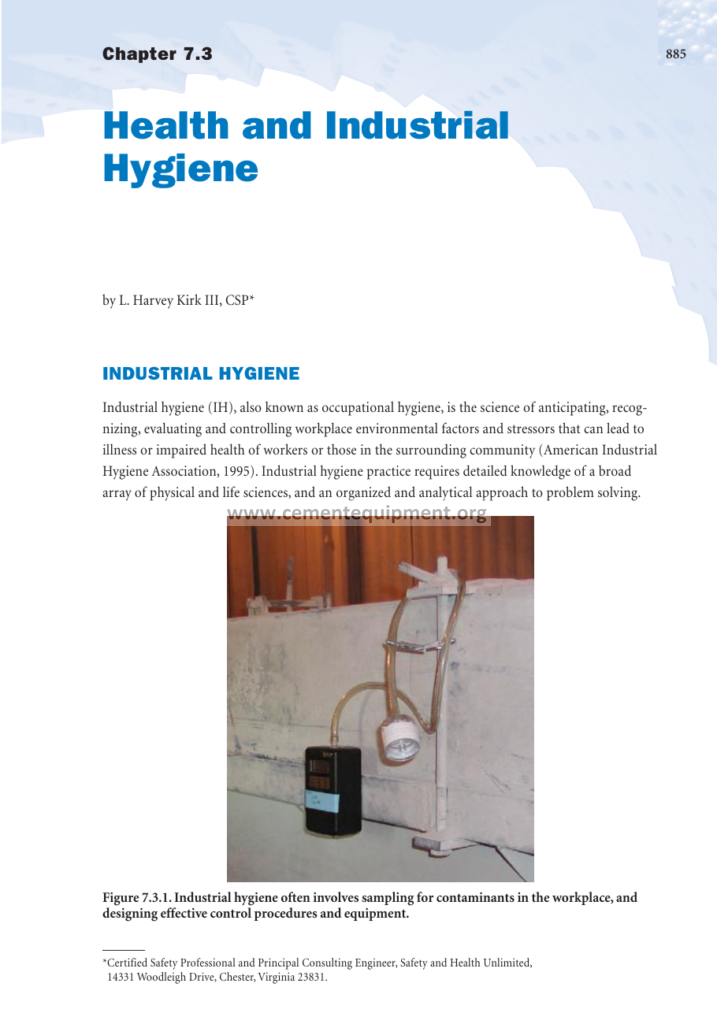
Chapter 7.3 of the Innovations in Cement Manufacturing series examines the practice of co-processing, the simultaneous use of the cement kiln system a
Chapter 7.2 of the Innovations in Cement Manufacturing series addresses one of the most consequential transformations in the recent history of the cem
The production of cement is an energy-intensive process that results in the emission of carbon dioxide (CO2) from both the consumption of fuels, prima

With the change to predominantly dry process clinker manufacturing technology, the water usage of cement plants has been substantially reduced compare
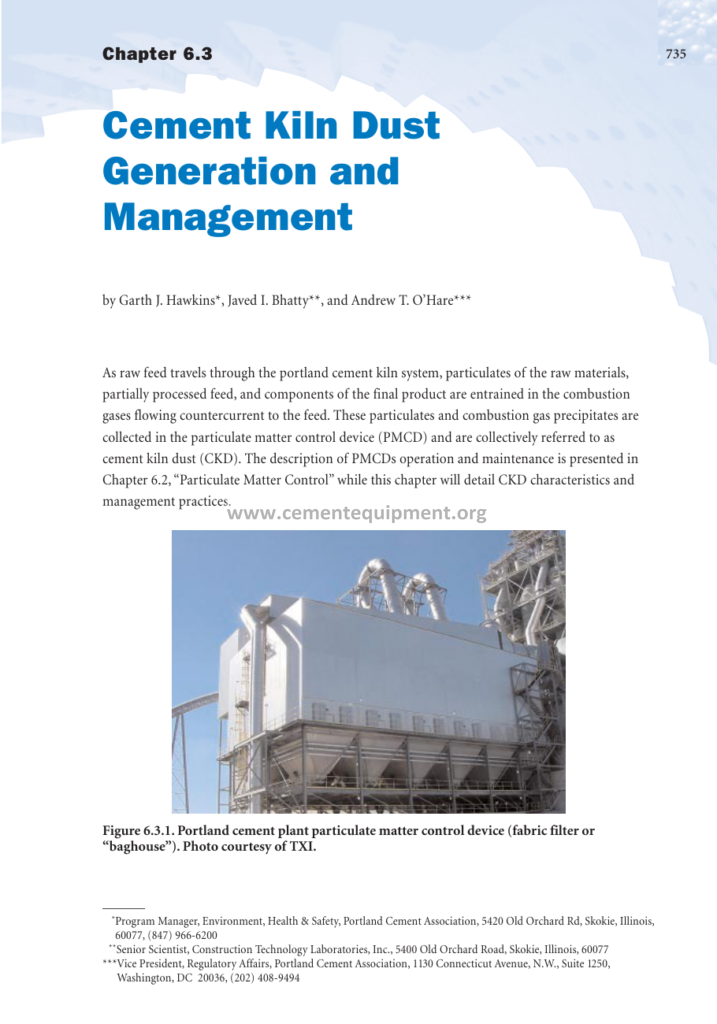
As raw feed travels through the portland cement kiln system, particulates of the raw materials, partially processed feed, and components of the final
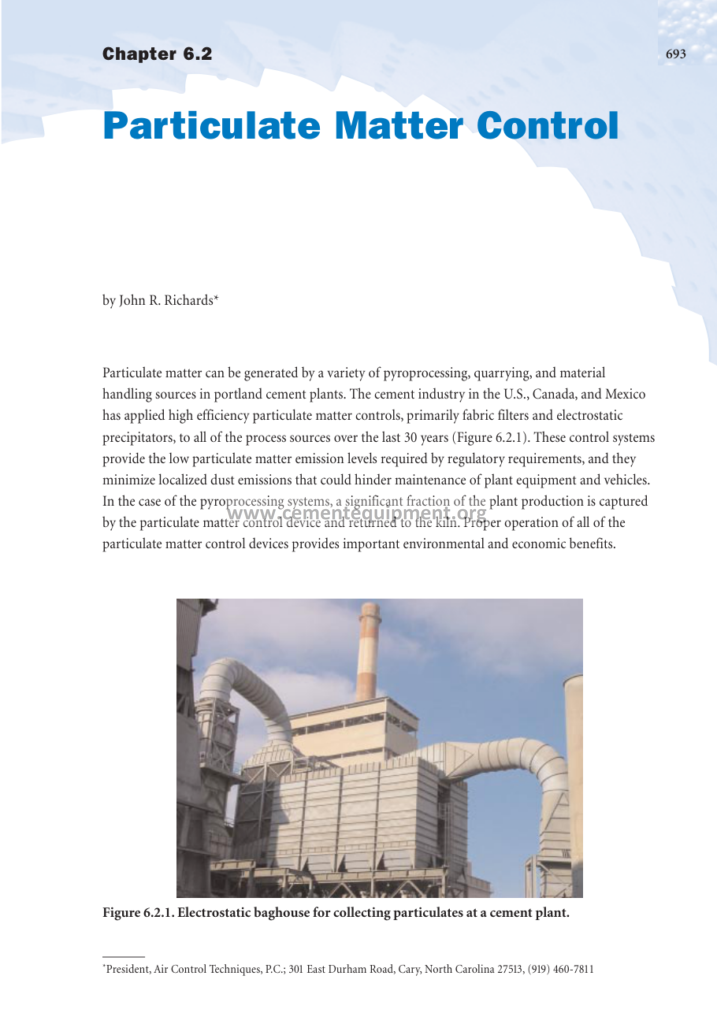
Particulate matter can be generated by a variety of pyroprocessing, quarrying, and material handling sources in portland cement plants, and Chapter 6.
Free PDF — clinker chemistry, kiln sizing, ball mill power, and more. Enter your email and we'll send it immediately.
No spam. Unsubscribe anytime.
Your PDF is on its way. Plus 6 more emails with cement plant tips and case studies.