
Quick engineering answer
Interpret preheater cyclone pressure drop as a stage-by-stage pattern. Compare each stage with its own stable baseline and neighboring stages at a similar operating condition, then correlate the shift with gas flow, ID-fan load, temperatures, oxygen/false air, material flow and pressure-tap condition before diagnosing buildup or cyclone internals.
What Cyclone Pressure Drop Actually Tells You
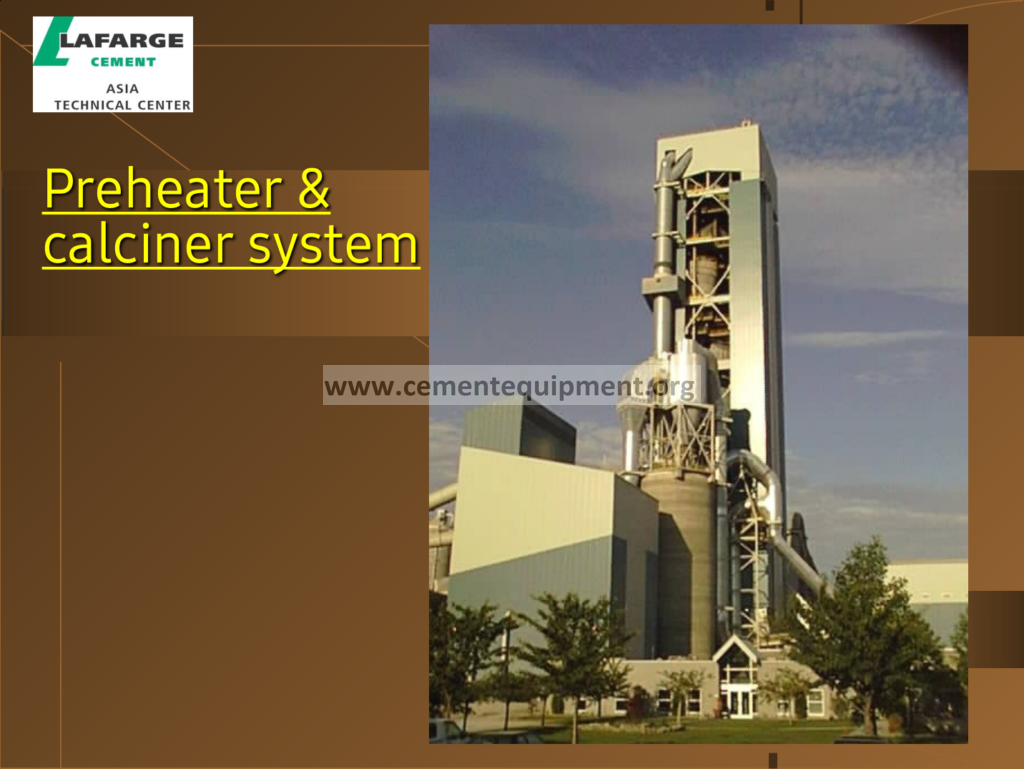
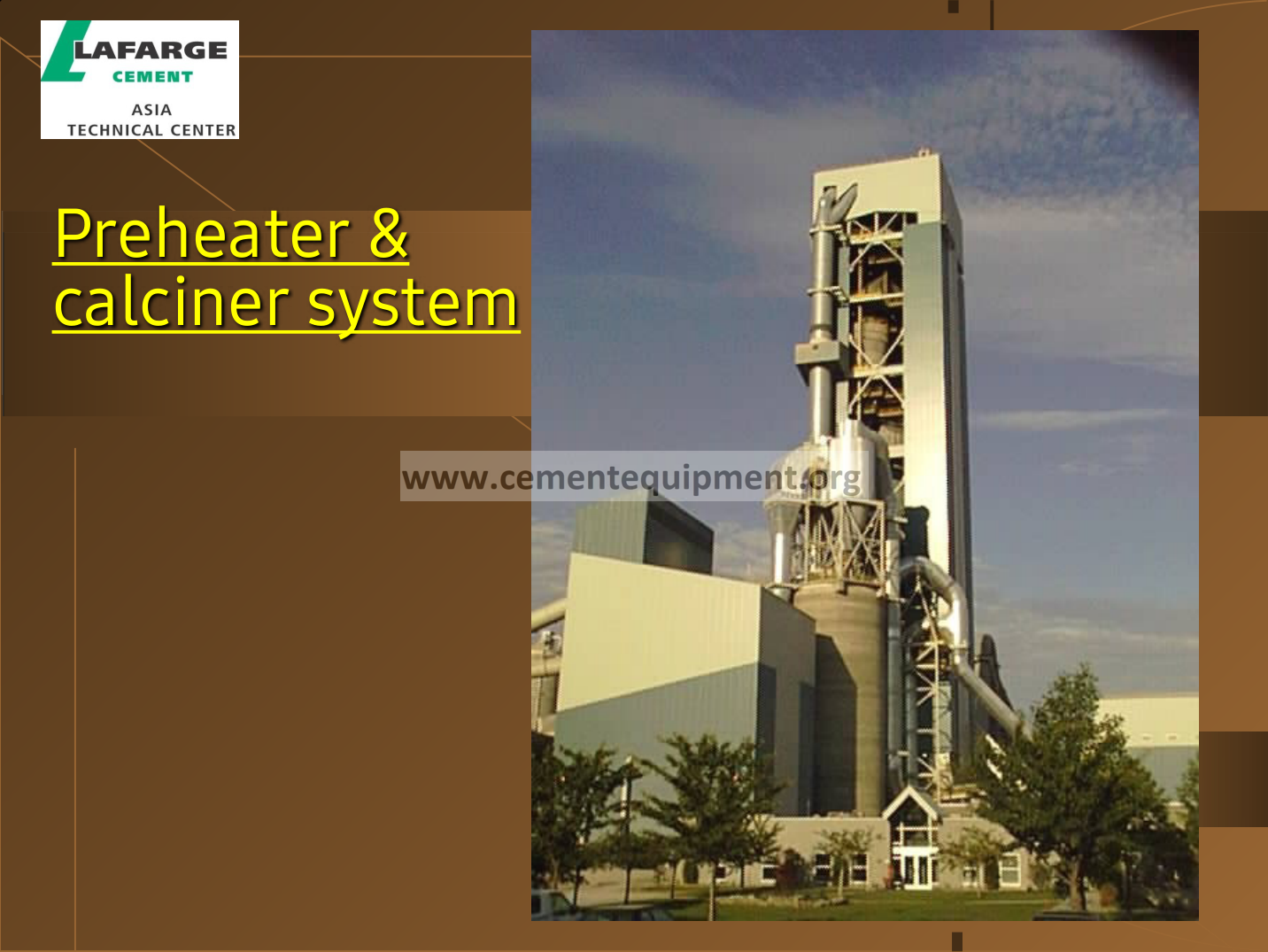
Pressure drop across a cement preheater cyclone is the resistance the gas stream experiences while passing through the cyclone system. It is influenced by gas flow, cyclone geometry, inlet condition, internal restrictions, dip-tube condition and the way solids move through the stage. That makes pressure drop a useful operating signal, but not a standalone measure of separation efficiency.
The most useful question is not “is this pressure drop high or low?” but “how has this stage changed from its own normal condition, and did the adjacent stages change at the same time?” A stage-by-stage pressure profile is therefore more informative than a single isolated reading.
How to Read Stage-by-Stage Changes
Signals to Review With Pressure Drop
| Signal | Why it helps | Typical interpretation question |
|---|---|---|
| Kiln feed / gas flow | Changes the gas and solids loading through the string | Did ΔP move simply because throughput changed? |
| ID fan load / draft | Shows the wider gas-path resistance response | Is the whole string becoming harder to pull? |
| Stage temperatures | Helps separate heat-transfer disturbance from pure hydraulic resistance | Did the pressure shift coincide with thermal imbalance? |
| O₂ / false-air evidence | Additional air changes gas volume and can distort comparisons | Is the pressure profile being changed by leakage? |
| Material flow / flap behavior | Shows whether the cyclone is separating and discharging meal normally | Is a restriction or recirculation problem developing? |
Pressure-Pattern Decision Matrix
| Observed pattern | First checks | Do not assume |
|---|---|---|
| One stage ΔP rises while neighbors are stable | Pressure taps, inlet buildup, dip tube, cone/outlet restriction, local geometry | That the whole preheater gas flow has increased |
| Several stages rise together | Production rate, fan/draft change, false air, widespread buildup or gas-volume change | That every cyclone developed the same local fault |
| One stage ΔP falls unexpectedly | Tap blockage/leak, worn or missing internals, bypassing, gas-flow change, abnormal meal flow | That lower ΔP automatically means better operation |
| ΔP oscillates with unstable operation | Material surging, flap behavior, fan control, feed variability, intermittent buildup release | That a static mechanical adjustment alone will fix it |
Practical Review Sequence for CCR and Process Teams
- Confirm the pressure taps and transmitters are credible before diagnosing the process.
- Compare the affected stage with its own stable historical baseline at a similar production condition.
- Compare the stages above and below it to decide whether the change is local or system-wide.
- Review kiln feed, ID fan load, draft, temperatures and O₂ or other false-air evidence over the same time window.
- Check for recent fuel, raw-meal, feed-rate, fan-control or shutdown/startup changes that could explain the shift.
- If the pattern remains local, inspect the stage for buildup, dip-tube/inlet condition, cone or discharge restriction and flap behavior at the next safe opportunity.
- After correction, establish a fresh baseline rather than relying on a generic pressure-drop number copied from another preheater.
Frequently Asked Questions
Does high cyclone pressure drop always mean blockage?
No. A restriction is one possibility, but higher gas flow, process changes, instrument condition and cyclone geometry can also move the reading. Look at the whole stage profile and operating condition.
Is low pressure drop always good?
No. Low resistance can be desirable in design, but an unexpected fall during operation can also come from lower gas flow, instrument error, worn internals or abnormal separation behavior.
Why compare adjacent cyclone stages?
Adjacent stages help distinguish a local restriction from a change affecting the entire gas path. A single-stage shift and a whole-string shift point toward different investigation paths.
Can pressure drop prove separation efficiency?
Not by itself. Pressure drop is a hydraulic signal. Separation performance must be interpreted with design information, material circulation or dust-loss evidence, operating stability and the condition of cyclone internals.
Engineering References
The pressure-drop interpretation in this guide was cross-checked against current OEM guidance.
Five-Minute CCR Review
- Confirm the affected pressure signal is credible.
- Compare the same stage with its stable baseline.
- Compare the stages immediately above and below.
- Overlay kiln feed, ID fan load, draft, temperature and O₂ trends.
- If the change remains local, create an inspection action for the next safe access window.
Final Takeaway
Cyclone pressure drop is most powerful as a trend and comparison signal. Read it stage by stage, normalize it against operating condition, correlate it with draft, temperature, oxygen and material flow, and verify the instrument before diagnosing the equipment. A stable baseline for your own preheater is more useful than copying a generic pressure-drop target from another plant.