Strengthening Cement Plant Performance with Advanced Gas Measurement
Accurate gas measurement is crucial for optimizing cement plant performance, with even a 1% error in oxygen measurement potentially resulting in a 1-2% increase in fuel consumption.
Clinker production is one of the most critical and energy-intensive stages in cement manufacturing. The kiln process, in particular, requires precise control of gas composition to ensure optimal fuel efficiency, clinker quality, and environmental compliance. Advanced gas measurement technologies play a vital role in achieving these goals by providing real-time monitoring of gas species, temperature, and pressure.
The mechanism of gas measurement in cement plants involves the use of various sensors and analyzers to detect changes in gas composition. For instance, oxygen sensors are used to measure the oxygen levels in the kiln, which is essential for controlling the combustion process. Similarly, carbon monoxide (CO) analyzers are used to monitor the CO levels, which is an indicator of incomplete combustion. The root cause of many cement plant performance issues can be traced back to inadequate gas measurement, which can lead to suboptimal kiln operation, reduced product quality, and increased energy consumption.
A key parameter in gas measurement is the oxygen-to-fuel ratio, which is critical for achieving complete combustion and minimizing fuel consumption. The following table illustrates the typical oxygen-to-fuel ratio ranges for different types of fuels used in cement plants:
| Fuel Type | Oxygen-to-Fuel Ratio Range |
| Coal | 1.15-1.25 |
| Petcoke | 1.20-1.30 |
| Natural Gas | 1.25-1.35 |
To strengthen cement plant performance with advanced gas measurement, the following step-by-step practical guidance can be followed:
- Conduct a thorough audit of the existing gas measurement system to identify areas for improvement.
- Install advanced gas analyzers and sensors that can provide real-time monitoring of gas species, temperature, and pressure.
- Implement a data management system to collect, analyze, and interpret the gas measurement data.
- Develop a predictive maintenance program to ensure that the gas measurement system is properly calibrated and maintained.
- Train plant operators and engineers on the use and interpretation of gas measurement data.
What are the benefits of advanced gas measurement in cement plants?
The benefits of advanced gas measurement in cement plants include improved fuel efficiency, reduced energy consumption, enhanced product quality, and minimized environmental impact. By providing real-time monitoring of gas composition, advanced gas measurement technologies enable plant operators to optimize kiln operation, reduce emissions, and improve overall plant performance.
How can gas measurement data be used to optimize kiln operation?
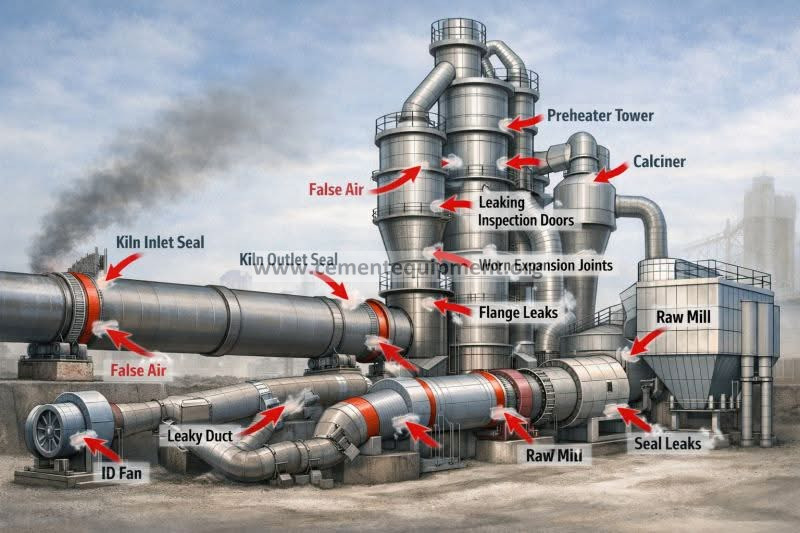
Gas measurement data can be used to optimize kiln operation by providing real-time feedback on the combustion process. For instance, oxygen levels can be adjusted to ensure complete combustion, while CO levels can be monitored to minimize incomplete combustion. Additionally, gas measurement data can be used to identify areas for improvement in the kiln process, such as optimizing fuel injection, improving burner design, and reducing air leaks.
What are the common challenges faced by cement plants in implementing advanced gas measurement technologies?
Cement plants may face several challenges in implementing advanced gas measurement technologies, including high upfront costs, complex installation and maintenance requirements, and the need for specialized training and expertise. However, the benefits of advanced gas measurement far outweigh the costs, and many cement plants have successfully implemented these technologies to improve their performance and reduce their environmental impact.
How can cement plants ensure the accuracy and reliability of gas measurement data?
Cement plants can ensure the accuracy and reliability of gas measurement data by implementing a regular calibration and maintenance program, using high-quality gas analyzers and sensors, and providing training to plant operators and engineers on the use and interpretation of gas measurement data. Additionally, cement plants can use data validation and verification techniques to ensure that the gas measurement data is accurate and reliable.