Quick answer
If compressive strength declines while chemical composition and fineness remain within specification, the first‑line investigation should focus on storage conditions (moisture ingress, temperature cycling, segregation) and grinding performance (wheel wear, feed uniformity, separator efficiency). Follow a systematic seven‑step workflow that isolates the material, verifies equipment settings, and validates test results before adjusting process parameters. Acceptance is confirmed when repeat strength tests meet the original specification and no further degradation is observed under normal plant operation.
Problem / Job
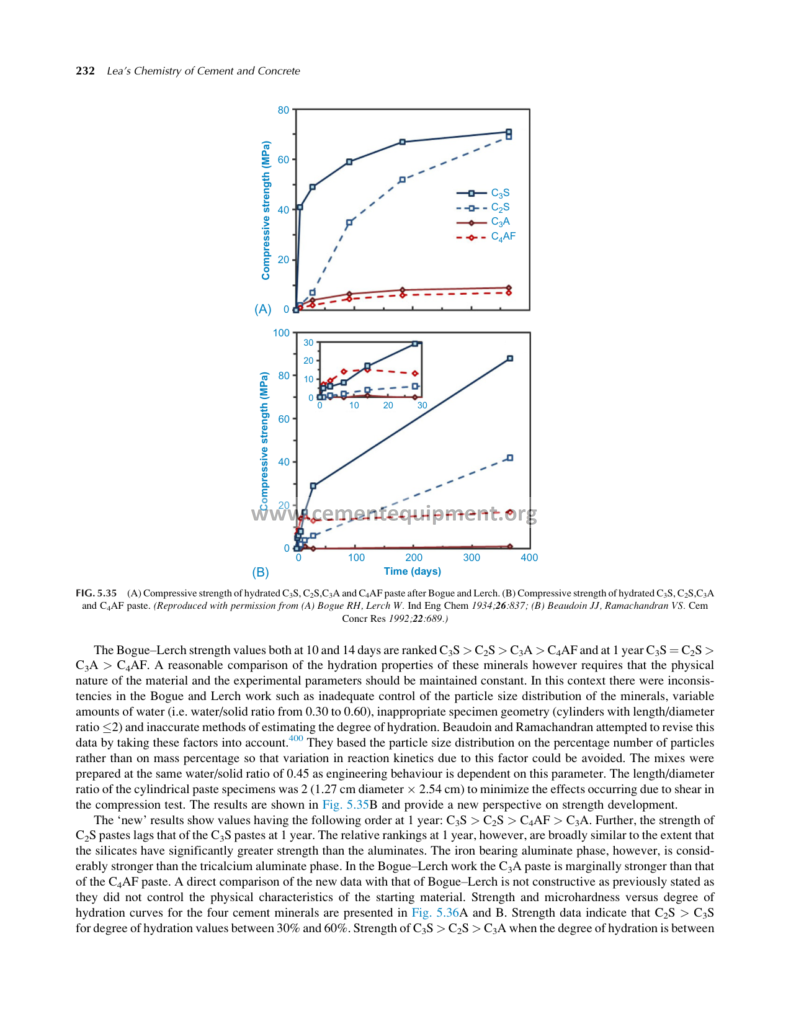
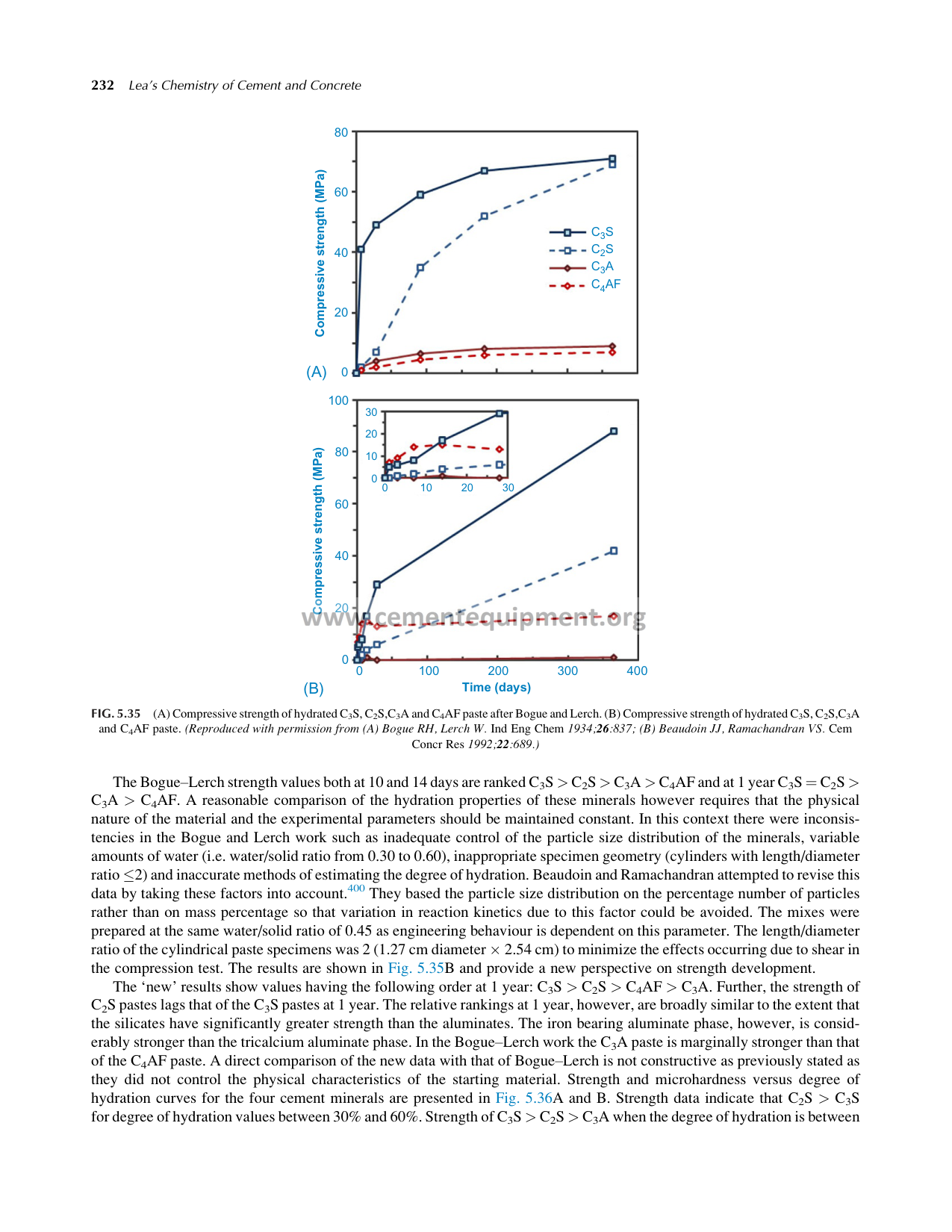
Illustrative diagnostic scenario (not a verified plant case): a cement plant reports a 5‑10 % drop in 28‑day compressive strength on recent batches. Laboratory analysis shows that the clinker chemistry (C₃S, C₂S, C₃A, C₄AF) and the Blaine fineness are unchanged from earlier, accepted batches. The task is to diagnose whether the loss originates from storage handling, grinding anomalies, or a combination of both, and to define corrective actions that restore strength without compromising throughput.
Evidence
- Standard chemical assays (XRF, XRD) match the design mix.
- Blaine fineness measured by the standard air‑permeability method is within the plant’s target range.
- 28‑day compressive strength from routine mortar cubes is below the target by 5‑10 % over the last three production cycles.
- No recent changes reported in raw‑material suppliers, kiln operating parameters, or clinker cooling profile.
- Storage silos show occasional condensation on interior walls during night‑time temperature drops.
- Grinding mill logs indicate increased wheel wear and a recent change in separator settings.
Decision
Proceed with a structured diagnostic workflow that isolates storage and grinding variables, validates test reproducibility, and confirms that any corrective step restores strength to specification. The decision matrix guides the next check based on the evidence collected at each step.
Step‑by‑step diagnostic workflow (7 steps)
- Confirm test integrity. Re‑run the 28‑day compressive strength test on at least three independent mortar batches using the same mixing water, sand, and curing regime. Document any variance and verify that the laboratory equipment (compression machine, temperature‑controlled curing rooms) is calibrated per the OEM schedule.
- Isolate the material. Withdraw a representative sample from the silo that supplied the low‑strength batches. Perform a “fresh‑sample” test: grind a fresh portion of the same clinker under controlled laboratory conditions, then produce mortar cubes. This isolates whether the issue is inherent to the stored cement or introduced during plant grinding.
- Check moisture content. Measure the free moisture of the silo sample using the standard oven‑dry method. Compare to the plant’s allowable moisture limit (verify the OEM/site limit). Excess moisture can promote premature hydration or cause agglomeration, both of which reduce apparent strength.
- Inspect storage environment. Review silo temperature logs, humidity trends, and condensation reports for the last 48 hours before each affected batch. Verify that the silo ventilation and temperature‑control systems are operating per design. Look for signs of segregation (layering, dust bridges) during visual inspection.
- Evaluate grinding performance. Review mill wheel wear data, separator pressure differentials, and feed‑rate records for the periods in question. Conduct a spot check of the mill product fineness using the same Blaine method, but also run a particle‑size distribution (laser diffraction) to detect any shift toward coarser particles that may not affect Blaine but impact reactivity.
- Perform a controlled re‑grind. Using a bench‑scale mill, re‑grind the silo sample to the target fineness while keeping separator settings identical to the plant. Produce mortar cubes from this re‑ground product and compare strength to the original low‑strength results. This step isolates the effect of mill wear or separator inefficiency.
- Implement corrective actions and re‑validate. Based on the findings, adjust one variable at a time (e.g., increase silo ventilation, replace grinding wheels, fine‑tune separator cut‑size). After each adjustment, repeat the mortar strength test on a fresh batch. Document the outcome before proceeding to the next change.
Safety note: All physical interventions (silo sampling, wheel replacement, separator adjustment) must be performed under lock‑out/tag‑out (LOTO) according to the plant’s electrical safety procedure. Verify that energy sources are isolated, pressure relief devices are secured, and that personnel are trained in confined‑space entry if required.
Diagnostic matrix
| Evidence | Likely direction | Next check |
|---|---|---|
| Strength drop confirmed on repeat laboratory runs | Problem is real, not a single‑test anomaly | Proceed to material isolation (step 2) |
| Fresh‑sample strength matches specification | Issue introduced after plant grinding or storage | Measure moisture content of stored cement (step 3) |
| Moisture > OEM/site limit | Premature hydration or agglomeration reducing reactivity | Improve silo ventilation, dry sample, retest strength |
| Moisture within limit but condensation observed | Localized over‑moist zones may cause uneven hydration | Inspect silo interior, verify temperature control, consider silo cleaning |
| Particle‑size distribution shifted toward coarser tail | Grinding efficiency reduced despite unchanged Blaine | Check wheel wear, separator pressure, and feed uniformity (step 5) |
| Wheel wear beyond OEM recommended wear limit | Reduced grinding energy, larger particles, lower early strength | Replace wheels, re‑grind sample, retest strength (step 6) |
| Separator cut‑size set too coarse | Higher proportion of coarse particles, slower pozzolanic reaction | Adjust separator settings, verify product fineness, retest |
| All equipment parameters within limits, strength still low | Potential hidden segregation or chemical alteration during storage | Conduct detailed silo sampling at multiple depths, analyze for segregation |
Verification and acceptance criteria
Acceptance is achieved when the following measurable conditions are satisfied for at least two consecutive production cycles:
- Compressive strength: 28‑day mortar cube strength meets or exceeds the design value specified in the product data sheet. Record the average of three cubes and the standard deviation; the average must be within the tolerance band defined by the OEM or the plant’s quality‑control protocol.
- Moisture content: Free moisture of cement withdrawn from the silo is at or below the OEM‑specified limit. Document the method (oven‑dry) and the measured value.
- Fineness consistency: Blaine fineness remains within the target range, and the particle‑size distribution shows no significant shift in the coarse tail (e.g., D90 variation less than the plant’s accepted delta). Use the same analytical equipment and calibration standards as before.
- Grinding equipment health: Wheel wear, separator pressure, and feed‑rate are all within the OEM‑recommended operating windows. Maintenance logs must reflect any component replacement performed during the corrective cycle.
- Storage environment stability: Silo temperature and relative humidity logs for the 24 hours preceding each batch show no excursions beyond the design envelope. Condensation events are absent or have been mitigated.
When all criteria are met, update the plant’s standard operating procedure (SOP) to include the verified corrective actions and schedule periodic re‑verification (e.g., quarterly) to guard against recurrence.
Common mistakes and repeat‑failure traps
- Relying solely on Blaine fineness. Blaine measures surface area but does not capture coarse‑particle tailing. Ignoring particle‑size distribution can mask grinding inefficiencies that affect strength.
- Skipping moisture verification. Even when chemistry is stable, excess moisture can cause premature hydration, especially in silos that experience temperature swings.
- Changing multiple variables simultaneously. Adjusting wheel wear, separator settings, and silo ventilation in one step prevents clear attribution of cause and may lead to unnecessary equipment downtime.
- Neglecting LOTO during equipment adjustments. Bypassing lock‑out procedures can cause accidental start‑up, leading to injury and inconsistent grinding conditions.
- Assuming visual silo cleanliness equals homogeneity. Dust bridges and settled layers can create localized zones of higher moisture or altered particle size that are not evident without depth‑wise sampling.
- Over‑interpreting a single strength test. Statistical confidence requires multiple cubes and repeat testing; a single outlier can trigger unnecessary corrective actions.
- Failing to document changes. Without a clear change‑log, future troubleshooting loses traceability, increasing the risk of repeating the same error.
By adhering to the structured workflow, documenting each observation, and applying corrective actions one at a time, plants can reliably restore cement strength while maintaining operational efficiency.
Related Infinity guides
Build a stronger cement maintenance library
The Infinity for Cement Organization technical package contains 900+ technical files. It is a one-time $249.99 purchase, with instant download immediately after payment and lifetime updates forever at no additional cost.