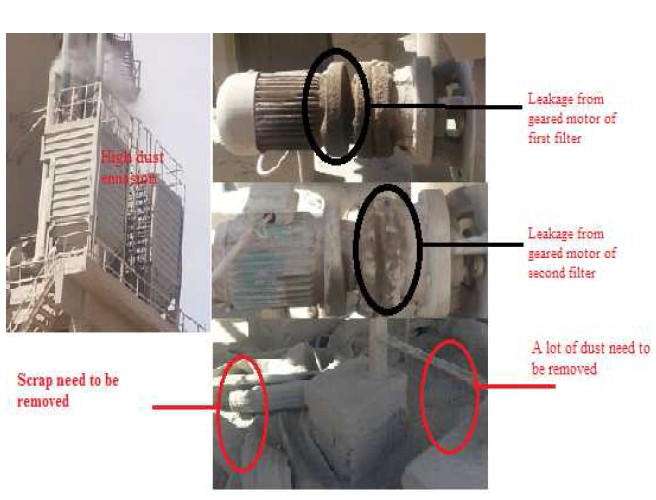
High differential pressure across a cement plant bag filter indicates that the filter media is blinded, the pulse-jet cleaning system has failed, or material is backing up into the hopper. There is no universal normal differential-pressure range for every cement bag filter; the correct operating and alarm limits depend on the collector design, filter media, gas flow, dust loading and OEM requirements. Diagnose abnormal pressure against the equipment manufacturer’s limits and the plant’s established clean and stable operating baseline. If the pressure drop is genuinely high, available system airflow can fall and the connected process may lose draft or dust-capture capacity, depending on the fan and system operating point. Diagnosing the exact root cause requires a systematic evaluation of electrical controls, mechanical cleaning components, and process temperatures to distinguish between genuine operational issues and false sensor readings.
Understanding the Primary Causes of Pressure Spikes
Start by separating a true airflow restriction from an instrumentation problem. Common causes include ineffective pulse cleaning, moisture-related media blinding, dust-discharge/hopper problems and faulty differential-pressure measurement.
Pulse Valve Failure
Solenoid or diaphragm valve failures prevent compressed air from cleaning the filter bags, causing rapid dust accumulation and heavy cake formation.
Moisture and Blinding
Operating the system below the acid or water dew point causes cement dust to agglomerate, cementing the fabric and blinding the filter media pores.
Hopper Plugging
A blocked rotary airlock or tripped screw conveyor allows discharged dust to build up, eventually submerging the lower bags and restricting airflow.
Sensor Malfunctions
Clogged pneumatic impulse lines or a drifting differential pressure transmitter can output a falsely elevated electronic reading to the central control room.
Step-By-Step Diagnostic Workflow
Effective troubleshooting requires a methodical approach. By systematically eliminating variables, teams identify the exact component requiring repair.
Verify the Instrumentation First
Before scheduling costly equipment downtime, verify the accuracy of the pressure transmitter. Check the pneumatic tubing connecting the dirty and clean sides of the baghouse to the differential pressure sensor. In abrasive cement environments, raw meal, clinker dust, or moisture clogs these lines. Inspect the pressure tubing for blockage, kinks, contamination, leakage or loose connections using the instrument and collector manufacturer’s approved maintenance procedure. Clean or replace affected tubing as specified, then verify the reading before returning the measurement to service. If the physical gauge differs drastically from the control room screen, recalibrate or replace the electronic transmitter.
Inspect the Pulse-Jet Cleaning Mechanism
Evaluate the pulse-jet cleaning sequence while the system remains online. Listen to the purge headers and observe the compressed air receiver gauge during a cleaning cycle. Compare pulse-valve operation, manifold pressure behavior and controller sequencing with the collector OEM’s expected behavior. Missing, weak or continuously leaking pulses can indicate solenoid, diaphragm, pilot-line, air-supply or control faults. Isolate electrical and pneumatic energy before hands-on testing or repair. Additionally, ensure the plant compressed air supply is clean and free of water or compressor oil, which will degrade internal rubber valve diaphragms.
Evaluate Process Conditions and Moisture
Filter bag blinding occurs when fine cement dust lodges within the fabric matrix. This condition often stems from moisture condensation. Check the raw gas inlet temperature. If the operating temperature drops below the dew point, especially during startup or shutdown sequences, moisture will condense on the bags. Investigate the thermal insulation on the baghouse casing and inspect the unit for cold air in-leakage through faulty inspection doors, rusted casing panels, or degraded expansion joints.
Diagnostic Reference Chart
Use the following relationships to quickly isolate faults.
| Symptom | Diagnostic Check and Action |
|---|---|
| High pressure, no audible pulse sound | Header pressure, timer board. Replace solenoids or timer |
| High pressure, steady pulsing | Filter media condition, dew point. Replace blinded bags, seal leaks |
| High pressure, high-level alarm | Rotary valve, screw conveyor. Clear mechanical hopper blockage |
| False high pressure reading | Inspect impulse lines and transmitter using the approved instrument procedure; clean, repair or recalibrate as required |
Advanced Troubleshooting Considerations
If the above steps yield no defects, consider air-to-cloth ratio issues. If plant production rates have recently increased, the bag filter may simply be undersized for the newly elevated volumetric flow rate. Excessive interstitial velocity within the housing prevents dislodged dust from settling into the hopper after a pulse, carrying it back onto the bag surface.
Another critical edge case involves the cleaning pulse duration and frequency. Cleaning frequency and pulse duration should not be changed simply to force differential pressure downward. Excessive cleaning can waste compressed air and accelerate media wear, while insufficient cleaning can allow pressure drop to rise. Verify controller settings against the collector OEM requirements, filter media, airflow and actual dust loading.
Safety First: Lockout and Confined Space
Never enter a baghouse without following your site lockout tagout procedures. Bag filters present confined space hazards, including hazardous atmospheres and engulfment risks from bridged material. Always secure the fan damper, isolate compressed air, and verify zero energy states before opening doors.
Expert Cement Equipment Solutions
Properly diagnosing baghouse issues improves plant draft, reduces emissions, and extends filter life. When your team needs replacement parts or technical support, rely on industry expertise. To keep your operation running, view our inventory.
Confirm the root cause against the collector OEM manual before changing cleaning settings or replacing filter media.