Mill Liners And Grinding Media: Complete Technical Guide
The mill liners and the grinding media are the two bodies of steel that do the grinding work of the tube mill: the liners protect the shell and steer the charge, the media delivers the breakage to the material: the two components wear together, interact with the material and the mill speed, and together decide the power draw, the fineness and the operating cost of the grinding station: the engineers of the plant select the liner profile and the media grade with the same care as the cement formula itself, and the file of the package documents the complete science of the lining and the charging.
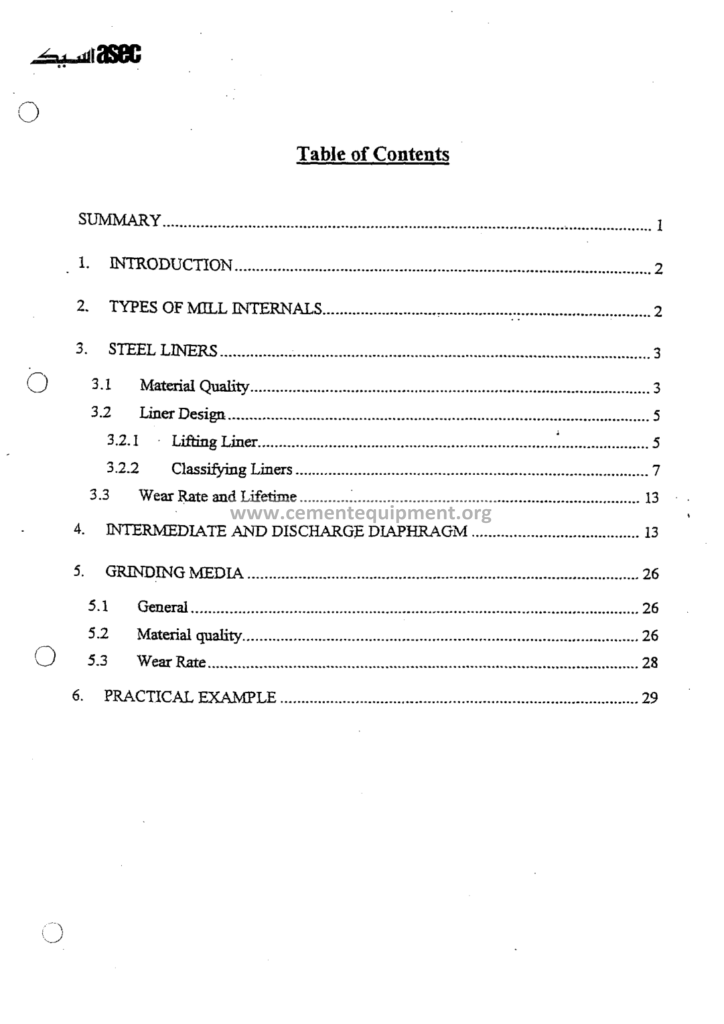
The Complete Cement Technical Package (931 files including the books, the courses, the Excel tools and the presentations: $249.99 one-time: instant download via the PayPal payment) includes this liners and media file with the profile diagrams, the material tables, the charging programs and the worked economics: the article walks the same road as the file: from the liner functions and the charge motion, through the steels and the rubbers, to the wear accounting and the optimization campaign of the mill.
The lining of the mill is the interface between the physics and the metallurgy: the profile of the liner decides where the balls fly, the steel of the liner decides how long the profile lives: the media is the working tool of the same system: the two must be designed and replaced as one project: this guide gives the plant the language of the lining: the profile names, the material grades, the wear measurements and the economics formulas: the completeness of the file is the confidence of the engineer.
1. The Functions of the Mill Lining: The Protection and the Steering
The liner is not a simple wear plate: it is the active element of the mill that performs four functions at once:
- The shell protection: the liner absorbs the impact and the abrasion of the charge and the material, protecting the mill shell from the wear through: the shell plates are the pressure vessel of the charge, and their wear would be the disaster of the plant;
- The charge lifting: the profile of the liner lifts the charge with the rotation: the lifter bars catch the media and raise it to the correct height, converting the rotation into the cataracting and the cascading motion: the lifted charge falls with the kinetic energy of the grinding;
- The motion steering: the profile geometry sets the balance of the impact and the attrition: the high lifters of the first chamber promote the impact of the coarse grinding, the low profiles of the second chamber promote the sliding and the attrition of the fine grinding:
- The thermal and the acoustic insulation: the liner layers reduce the heat flow to the shell and the noise of the mill: the rubber and the composite liners cut the noise by 3 to 10 decibels and reduce the shell temperature stresses of the hot clinker grinding:
The four functions compete: the high lifters give the powerful impact but accelerate the media and the liner wear; the smooth profiles wear less but lose the grinding power: the design of the lining is the optimization of the four functions against the duty of the mill: the file organizes the selection by the mill type, the material and the target product: the engineer reads the chapter and sets the specification.
2. The Liner Profiles: The Shapes That Steer the Charge
The profile of the lining is described by the geometric families, and the file illustrates each with its charge motion:
- The wave liners: the corrugated surface with the repeating rounded waves: the moderate lifting, the good material retention, the classic profile of the single-chamber mills and the raw grinding:
- The step liners: the flat plates with the step edges that catch the balls: the stepped face lifts the charge at the defined angle: the profile of the first chambers of the two-chamber mills;
- The lifter bars: the raised bars running the length of the mill, separate from the flat plates: the bar height 30 to 100 millimeters: the aggressive lifting of the coarse grinding and the semi-autogenous mills:
- The classifying liners: the specially shaped segments that separate the media by the size along the mill axis: the large balls stay near the feed, the small move toward the discharge: the classification improves the grinding sequence of the single-chamber mills:
- The cone and the wedge liners: the profiles of the specific designs of the mills and the materials: the wedge creates the radial pockets that hold the balls during the rotation, the common detail of the fine grinding chambers:
| Profile | Lifting | Wear rate | Typical chamber |
|---|---|---|---|
| Wave | Moderate | Medium | First chamber, raw mills |
| Step | High | Medium-high | First chamber, finish mills |
| Lifter bar | Very high | High | Feed ends, SAG, coarse |
| Classifying | Low | Low | Second and third chambers |
| Smooth/cone | Minimal | Low | Fine grinding chambers |
The profile selection follows the duty: the raw mill first chamber with the 80-millimeter balls and the large feed wants the stepped profile and the moderate bar; the finish mill second chamber with the 17-millimeter balls wants the smooth classifying profile that keeps the small media grinding efficiently: the file contains the profile drawings with the dimensions, and the plants order the liners by the drawing numbers of the file.
3. The Liner Materials: The Steel Armor of the Chambers
The liner materials divide into the steel family, the cast iron family and the polymer family, and the file matches each to the duty:
- The chromium-molybdenum steels: the forged and rolled plates of 0.6 to 0.9 percent carbon with the 1 to 3 percent chromium, hardened and tempered to 350 to 450 Brinell: the tough workhorse of the first chambers, tolerant of the large balls and the impacts;
- The high-chromium cast iron: the 12 to 25 percent chromium with the carbide volumes above 20 percent, the hardness 500 to 650 Brinell: the wear champion of the environments without the brutal impacts: the second chambers and the medium-duty first chambers;
- The Ni-hard cast iron: the nickel-chromium martensitic white iron of the classic mine industry: the hardness 500 to 600 Brinell with the acceptable toughness: the material of the specific liners of the plants, gradually replaced by the chromium grades:
- The rubber liners: the natural rubber with the fabric and the steel reinforcement: the wear life two to four times the steel in the fine grinding, the weight 30 to 50 percent lighter, the noise reduced 3 to 8 decibels: the domain of the second chambers with the small media:
- The composite and the polyurethane liners: the steel-backed rubber and the polymer plates of the specific mills: the compromise of the impact resistance and the wear life for the special duties of the grinding:
The selection matrix of the file: the mill, the material, the ball size and the temperature of the duty decide the family: the clinker grinding at 100 degrees Celsius product temperature suits the steels; the cold raw mills with the small media suit the rubber: the cross-reference of the file is the answer machine of the purchases: the plant states the duty, and the matrix returns the families with the expected life ranges.
4. The Attachment of the Liners: The Bolts, the Weldments and the Innovations
The fixing of the liner to the shell is the mechanical detail that decides the integrity of the whole system:
- The bolted liners: the classic attachment: the liner plate drilled, the bolt passes through the shell and the liner, the nut and the washer outside, the sealing rings prevent the material leakage: the drilling of the shell weakens it, and the bolt holes are the stress concentrations:
- The boltless liners: the plates interlock with the dovetail profiles and the wedge keys, clamped without the shell drilling: the modern preference for the new mills: the stronger shell and the faster installation: the file compares the two systems with the installation times and the prices:
- The magnetic liners: the permanent magnets hold the steel liner plates against the shell, eliminating the fasteners entirely: the magnet liner of the ball mills of certain suppliers, the charge of the mill holds as well: the system reduces the installation labor but adds the magnet cost, and the application records of the file are honest about the niche:
- The welded liners: the cast blocks welded to the shell: the method of the repair patches and the special zones, no longer the main line of the large mills:
The fastening details of the file include the torque specifications, the spring washers and the gasket materials: the bolt failure of the grinding mill is the classic incident: the loose bolts shear, the liner shifts under the charge, and the shell wears through in the weeks: the re-tightening of the bolts is the maintenance item of the file’s schedule: the first re-torque after the 48 hours of the operation after the relining, then at the monthly intervals of the first quarter.
5. The Diaphragms and the End Liners: The Partition and the Outlet of the Mill
The lining family extends to the internal partitions that divide and discharge the mill:
- The feed end liners: the head lining of the inlet cone: the plates resist the impact of the feed balls and the material entering the mill: the feed head of the double-lobed or the conical designs direct the material to the first chamber:
- The intermediate diaphragm: the partition between the chambers: the grate plates with the slots of 6 to 10 millimeters pass the fine and the material, and return the coarse and the balls: the diaphragm lifters feed the material to the second chamber: the anti-clogging design and the wear of the grate edges are the daily reality:
- The outlet diaphragm: the discharge grate with the slots of 5 to 8 millimeters, the cone of the discharge directs the material through the trunnion or the peripheral discharge: the recent mills with the central discharge and the mechanical lifting of the material:
- The wear of the grates: the grate plates wear at the edges and the slot openings grow: the oversize growth lets the small balls pass to the discharge and the material short-circuits the chamber: the grate inspections at the stops and the planned replacement of the plates every 6,000 to 12,000 hours:
The diaphragm is the gate of the mill circuit: the intermediate diaphragm controls the residence time of the first chamber and the load of the second: the plants tune the chamber split by the diaphragm modifications: the file documents the design rules of the diaphragms: the open area, the slot widths, the lifters and the wear protection: the grate is the third lining of the mill and the least visible of its savings.
6. The Grinding Media Portfolio: The Balls, the Cylpebs and the Shapes
The media of the mill is the charge of the working elements, and the modern portfolio covers the shapes:
- The forged balls: the wrought steel balls of the low-alloy compositions, 25 to 100 millimeters: the toughness of the forged structure, the classical charge of the first chambers and the large mills:
- The cast balls: the foundry balls of the chromium compositions, high and low: the carbide-rich structures of the high-wear duties and the second chambers: the hardness range 50 to 65 HRC:
- The cylpebs: the truncated cone cylinders of the ratio 1:1, 25 to 45 millimeters: the greater surface area and the packing density than the balls of the equal weight: the fine grinding of the second chambers and the finish mills:
- The slugs and the rods: the short rods of the particular mills and the ratios: the historical media of the rod mills and the specialty chambers:
- The shapes comparison: the balls give the point contact and the highest impact intensity; the cylpebs the line contact and the higher attrition; the design of the charge mixes the shapes according to the chamber duty: the table of the file quantifies the packing density (balls 0.58, cylpebs 0.62 of the volume) and the surface area per tonne:
The media portfolio of the file is the shopping list of the maintenance department: the specification of each item: the diameter, the hardness, the composition, the density and the drop test limit: the plants consolidate the orders against the quality certificate of the supplier: the drawing of the ball charger and the filling chute of the file completes the operational picture of the charging day.
7. The Media Size Selection: The Formulas and the Practice
The ball size is the first variable of the grinding result, and the selection follows the classical rules:
- The Bond formula: the maximum ball diameter from the feed size and the work index: dB = K x (F80/k)^0.5 relationship of the classic equation with the density and the speed factors: the file derives and tabulates the formula for the cement materials:
- The Azzaroni and the modern formulas: the empirical relations of the mills of the copper and the iron industries, adapted by the cement practice: the results land within the +/- 10 percent of the Bond value for the cement range:
- The distribution of the first chamber: the graded charge of the production mills: the classic 100/80/60 pattern (the larger share at the 60 to 80 percent of the maximum size): the distribution matches the residence time of the feed sizes:
- The second chamber sizes: the 17 to 30 millimeters descending toward the discharge: the classifying liners hold the sizes in place: the small balls increase the surface for the fine grinding but reduce the impact capability, and the balance sets the fineness limit of the mill:
| Material | Work index | Max ball size (mm) |
|---|---|---|
| Raw mix, soft limestone | 9 – 11 | 60 – 70 |
| Clinker | 13 – 15 | 80 – 90 |
| Slag | 15 – 18 | 80 – 100 |
| Coal (dry) | 10 – 12 | 40 – 50 |
The formula output is the starting charge of the design, and the plant confirms with the mill trials: the oversize balls waste the energy on the unnecessary impact, the undersize starve the coarse feed: the file includes the Excel calculator of the ball size from the feed screen analysis, and the engineer receives the graded charge proposal in the minutes: the optimum grind starts with the correct tool size.
8. The Charging Programs: The First Fill, the Top-Ups and the Compositions
The life of the charge is the sequence of the fills and the corrections:
- The first fill: the new mill or the fully sorted charge re-enters the mill at the design volume: the filling sequence of the file: the chamber opens, the liners inspected, the charge dropped by the charging platform: the first charge of the 4,000 kilowatt finish mill is 120 to 150 tonnes of the balls:
- The top-up discipline: the balls wear and the charge volume shrinks: the plant tops up the mill at the daily, weekly or the monthly intervals with the smallest size of the charge to compensate the wear: the top-up amount follows the wear accounting: the file’s formula: the addition equals the wear rate times the tonnage since the last addition:
- The best-size addition: the modern doctrine questions the classic smallest-size top-up: the addition of the best-efficient size maintains the designed distribution better: the file presents the two schools with the measured comparisons and lets the plant decide with the data:
- The combination charges: the mills of the variable materials cycle the charge composition: the raw mills add the chromia balls in the summer and the forged in the winter of the moisture cycles: the plants document the charge campaigns of the file log:
The charging is the routine of the week: the count of the drums, the weight tickets, the log additions: the file provides the charging record sheet, and the discipline pays in the accuracy of the wear accounting: the mill that knows its charge knows its media cost per ton, and the media cost is the largest single consumable of the grinding department.
9. The Receiving Inspection of the Media: The Quality Gates of the Plant
The quality of the delivered media is verified at the plant gate, and the file defines the inspection protocol:
- The chemical verification: the split-sample sent to the laboratory: the carbon, the chromium, the manganese and the silicon by the spectroscopy: the certificate compared to the specification of the order:
- The hardness tests: the surface hardness of the sample balls by the portable Rockwell or the Brinell equipment: the traverse test of the sectioned ball for the depth of the hard zone: the acceptance criteria of the file: the surface 58 to 63 HRC, the core within 5 points:
- The drop test: the classical 3.5 to 4.5 meter drop onto the steel anvil, the sample of 5 to 20 balls per 10 tonnes: the fracture rate below the specified percent: the broken balls of the incoming delivery are returned:
- The dimensions and the weight: the diameter check of the sample with the calipers, the weight per 100 balls, the density calculation: the undersize balls of the dishonest supply are the premium the plant refuses to pay:
The inspection gate of the receiving is the last line of the media quality defense: the plant that inspects every delivery with the file protocol keeps the suppliers honest and the mill performance predictable: the file includes the inspection form and the acceptance limits, and the plants of the industrialized practice treat the certificate as the binding document of the purchase.
10. The Wear of the Liners: The Mechanisms, the Measurement and the Life
The liner wear follows the mechanisms of the abrasive impact, and the plant measures it with the instruments:
- The wear mechanisms: the cutting and the plowing of the abrasive grains across the liner face, the impact deformation of the balls near the toe, the erosion of the gas-borne fines: the mechanisms wear the profile, and the profile loss reduces the lifting function:
- The measurement: the wear is measured by the profile templates at the inspection stops, or by the ultrasonic thickness gauges of the shell behind the liner: the wear maps of the chambers show the zones: the toe zone and the inlet zones wear the fastest:
- The wear patterns: the classic S-curve of the mill lining: the heavy wear at the feed end and the toe, the light wear at the middle of the elements: the plants rotate or reverse the plates at the mid-life to equalize the wear:
- The life expectancy: the liner life of the typical finish mill 8,000 to 20,000 hours depending on the material: the chromium steel of the fine chambers the longest, the mild steel of the coarse the shortest: the life table of the file guides the maintenance calendar:
The wear of the liner and the wear of the media interact: the worn liner loses the lifting, the charge motion slows, the grinding power drops, and the plant compensates with the extended running hours: the worn liner is also the thinner liner, and the bolt stress and the shell risk grow: the replacement of the liner at the planned life is the protection of the shell and the energy: the file’s wear-log template tracks the plates by the position and predicts the replacement date from the wear rate.
The repair welding of the local liner wear is the maintenance technique between the replacements: the hardfacing with the chromium-carbide electrodes restores the profile of the lifter edges, and the weld overlays of the flat plates bridge the deep grooves of the local zones: the procedure of the file specifies the preheating of the base steel (150 to 250 degrees for the chromium-molybdenum grades), the interpass temperatures and the post-weld inspection with the templates: the hardfaced patches routinely double the life of the lifted edges at the tenth of the replacement cost: the wear management is the hybrid of the renewal and the repair, and the file teaches the plant the welding discipline that keeps the profiles true: the local repair and the planned replacement work together in the calendar, and the liner cost per tonne drops with the practiced combination.
11. The Wear of the Media: The Rates and the Accounting of the Steel
The media wear is the daily consumption of the mill, expressed in the grams per tonne of the product:
- The rates of the industry: the raw grinding 100 to 250 grams per tonne, the finish grinding 150 to 350 grams per tonne with the low-alloy media, the high-chromium at the half to two-thirds of the low-alloy: the slag grinding the heaviest at 300 to 800 grams per tonne:
- The factors of the wear: the material abrasiveness (the quartz content and the iron minerals), the media hardness, the mill speed and the ball size, the moisture and the temperature, the corrosion of the water injection: the multiple regression of the file weighs the factors with the industrial data:
- The accounting: the media consumption = (initial + additions – final – removed) / product tonnage: the quarterly accounting of the mills: the file Excel sheet logs the additions automatically and publishes the KPI of the grams per tonne per energy:
- The diagnosis of the high wear: the higher than expected consumption leads the engineer to the suspects: the soft media delivery, the ball size growth from the poor top-up, the abrasive sand contamination of the clinker, the false air increase of the circuit: the checklist of the file orders the investigation:
The media wear is the second largest consumable cost of the cement plant after the fuels and the refractories: the percent-level savings of the wear correspond to the percentages of the operating margin: the file treats the wear accounting with the respect of the cost center: the shift logs, the monthly reports and the annual audit of the media form the complete picture, and the media KPI of the plant becomes the negotiated baseline of the supplier contracts.
12. The Rubber and the Composite Liners: The Modern Tower of the Fine Grinding
The rubber lining is the modern alternative of the fine grinding chambers, and its application rules are clear:
- The application domain: the rubber liners work where the impact energy is low: the ball sizes below 40 millimeters, the mill speeds below the critical of the design: the second chambers of the finish mills and the fine raw grinding:
- The advantages: the 30 to 50 percent lower weight reduces the power of the idling mill, the resilience reduces the media wear by the cushioning, the noise drops by 3 to 10 decibels, and the installation hours are the third of the steel lining: the life in the fine chambers 2 to 4 times the median steel plate:
- The disadvantages: the rubber cannot face the large balls and the superheated material: the temperatures above 90 to 100 degrees Celsius shorten the rubber life sharply, the impact above the resilience destroys the plates: the rubber and the clinker temperature discipline exclude each other:
- The hybrid designs: the steel-backed rubber segments of the feed zones and the rubber plates of the fines zones: the composed lining of the modern manufacturers matches the duty zones plate by plate: the file’s zone maps of the typical second chambers show the hybrid arrangements:
The choice between the steel and the rubber is the decision of the specific plant: the file’s decision table weighs the material, the temperature, the media and the price over the life cycle: the rubber lining of the 25-millimeter media in the cool duty returns the investment in the first years through the energy and the media savings: the honest comparison of the file keeps the plant from the fashion and on the numbers.
13. The Economics of the Lining and the Media: The Cost per Ton of the Product
The joint economics of the liners and the media is the final arbiter of the selections, and the file builds the full model:
- The liner cost: the purchase price of the lining divided by the tonnes of the production through the lining life: the typical 2 to 15 cents per tonne of the cement with the steel liners of the finish mills:
- The media cost: the media price times the wear rate: the 150 to 500 grams at the 1.5 to 2.5 dollars per kilogram: the range of 0.25 to 1.25 dollars per tonne of the cement: the chromium media at the higher price and the lower wear, the forged at the lower price and the higher wear:
- The comparison method: the total steel cost per tonne = liner + media + the labor of the renewal + the production loss of the changeover stops: the lifecycle comparison of the file shows the cases where the expensive chromium wins and the cases where the forged remains the champion:
- The sensitivity: the media price, the wear rate and the plant availability are the three sensitivities of the model: the Excel tool of the package runs the scenario table: the plant finds the optimum strategy under its own numbers:
The economics closes the technical circle: the metallurgy of the earlier chapters exists to serve the numbers: the liner profile optimized against the wear, the media grade optimized against the breakage and the budget: the file summarizes the economics in the chart of the steel cost per tonne against the hardness of the media: the chart of the practical decision: the engineer of the file reads the chart with his plant’s data and orders the future.
14. The Maintenance Planning of the Lining and the Media: The Calendar of the Stops
The lining and the media renewals are the heavy maintenance events of the mill, and the planning follows the calendar:
- The inspection schedule: the monthly external inspection of the bolt heads, the quarterly internal inspection at the short stops with the profile templates and the bore scope of the diaphragm, the annual full internal survey with the measurements of the plates, the lifters and the grate slots:
- The relining project: the complete relining of the chambers every 2 to 4 years: the project of the file: the measure, the order (the lead time of the steel liners is 8 to 16 weeks), the preparation of the scaffold and the handling gear, the dismantling and the mounting crews, the post-relining torque checks: the total duration of the finishing mill relining 3 to 7 days:
- The media renewal: the sorting of the charge with the new fill at the relining, the media additions between the stops: the coordination of the media crane and the liner crews in the one overhaul window:
- The mid-life interventions: the rotation of the plates, the patching of the local wear zones with the weld overlays, the replacement of the feed end liners at the half life of the barrels: the interventions of the file extend the plate life by the 20 to 40 percent:
The calendar of the file integrates the lining and the media into the annual maintenance plan of the mill: the stop windows, the spare part lead times and the crew resources are the plan’s three columns: the mill that masters the calendar keeps the availability above the 92 percent and the steel costs at the budget: the lining and the media, planned and executed: the grinding station of the predictable economy.
15. The Liners and the Wear Protection Beyond the Tube Mill: The Vertical Mills and the Auxiliaries
The lining science extends beyond the tube mill shells, and the file covers the wear protection of the vertical mills and the auxiliaries of the grinding department:
- The vertical roller mill casing: the mill housing of the vertical machine is lined against the abrasion of the gas-borne material: the chrome cast wear plates of the upper cone, the hardfaced shields behind the nozzle ring, and the ceramic tiles of the high-velocity zones: the wear of the casing leaks the false air and the file’s inspection plan checks the plates at the stops;
- The hot gas duct linings: the ducts carrying the hot gas and the dust wear at the bends and the transitions: the steel elbows with the chrome cast inserts, the ceramic-lined straight runs, the wear indicators of the bend backs: the planned life of the raw mill hot gas duct 5 to 10 years with the patching between;
- The separator internals: the classifier vanes and the cage wear by the fines friction: the vane edges hardfaced, the cage segments replaced at the wear limit: the vane wear changes the fineness and the plant measures the vane thickness at the stops: the file’s inspection checklist of the separators completes the lining chapter of the classifiers;
- The chutes and the air slides: the material transfer chutes with the impact liners of the polyurethane, the steel wear boxes of the high-angle chutes, the air slide fabrics and the porous beds: the wear protection of the conveying is the quiet majority of the plant’s liner count: the file’s standard arrangement drawings cover the main chutes:
- The mill fans: the fan casings and the impeller blades of the grinding circuits with the hardfacing and the chrome plates: the impeller wear imbalances the fan and the vibration monitoring of the fan bearings catches the loss: the balance of the impeller after the repair is the rule of the file:
The wear map of the whole grinding department is the deliverable of this chapter: the plant draws the zones, assigns the standard protection systems, and plans the renewal calendar of each type: the vertical mills, the separators, the fans and the chutes each carry a share of the total steel consumption, and the unified map brings them under the same lens of the maintenance: the lining beyond the tube mill is the completeness of the file’s story: the entire grinding department, armored against the abrasion.
The Frequently Asked Questions
How thick should the steel liner be for the first chamber?
The thickness follows the ball size and the shell strength: the typical first chamber plates are 50 to 65 millimeters plus the 10 to 15 millimeters of the lifter: the manufacturers verify the shell stress with the bolt loads: the file tables the thickness per the mill diameter and the ball size, and the plants verify by the ultrasonic measurement of the remaining shell thickness at the overhauls.
What is the best media size for the finish mill second chamber?
The second chamber media of 17 to 25 millimeters with the descending size toward the discharge: the classifying liners hold the gradient: the smaller the feed of the second chamber, the smaller the optimum balls: the file’s formula of the maximum size from the feed F80 of the chamber gives the starting number, and the charge composition of the practice refines it.
Can the rubber lining be used in the cement finish mill?
The rubber lining in the finish mill with the small media and the moderated clinker temperature: the product temperature above 100 degrees Celsius shortens the rubber life and the plants of the hot clinker keep the steel: the hybrid lining with the steel feed end and the rubber middle is the compromise of the modern practice: the file’s decision table filters the cases.
How often should the ball top-up be done?
The top-up frequency follows the wear rate: the plants with the media accounting find the daily addition of the small quantities the smoothest for the charge composition, while the weekly additions fit the small mills: the critical rule: the additions follow the measured wear, not the calendar in isolation: the file’s log ties the two.
The diaphragm slots are growing: is the wear abnormal?
The slot growth of 2 millimeters above the design is the normal wear of the 8,000-hour cycles; the growth beyond opens the escape of the smallest balls and the fineness loss: the grate plates should be measured at the stops and replaced before the slot growth doubles the design: the file’s wear allowance of the grates gives the numbers.
Does the file include the Excel tools of the lining and the media?
The Complete Cement Technical Package includes the media accounting sheet, the ball size calculator, the liner life tracker and the economics model of the lining: the 931 files of the package cover the grinding and the rest of the plant: the engineer of the file runs the daily numbers with the tools of the same library.
Conclusion
The mill liners and the grinding media are the armory of the tube mill, and the two are designed, consumed and renewed as the one system: the profile of the liner steers the charge, the steel of the liner protects the shell, and the media delivers the breakage with the metallurgy that matches the duty: the wear accounting and the economics close the loop of the decisions: the engineer of the plant selects, inspects, measures and plans with the tables, the formulas and the tools of the file.
The Complete Cement Technical Package includes this liners and media guide with the profile drawings, the material matrices, the inspection forms and the Excel calculators: the 931 files, the $249.99 one-time purchase, the instant download: the shell armor and the charge of the mill in the hands of the engineer: the grinding steel, chosen right: the mill of the plant, armored and loaded.
Get this Liners and Media file + the full 931-file package
$249.99 — one-time purchase, instant download, lifetime access
This file is part of the Complete Cement Technical Package (931 files) available from cementequipment.org. Respective rights holders; library copy for the licensed single user.