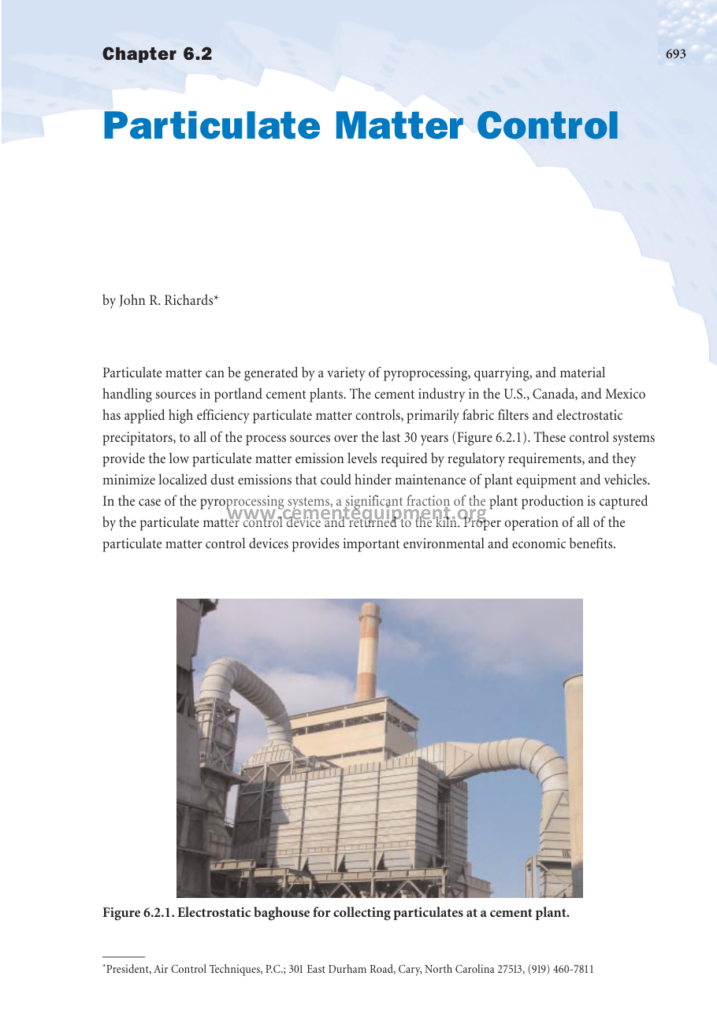
Filters in Cement Plants: Bag & ESP Guide
Particulate matter is generated by a variety of pyroprocessing, quarrying, and material handling sources in Portland cement plants, and filters are th
Particulate matter is generated by a variety of pyroprocessing, quarrying, and material handling sources in Portland cement plants, and filters are th
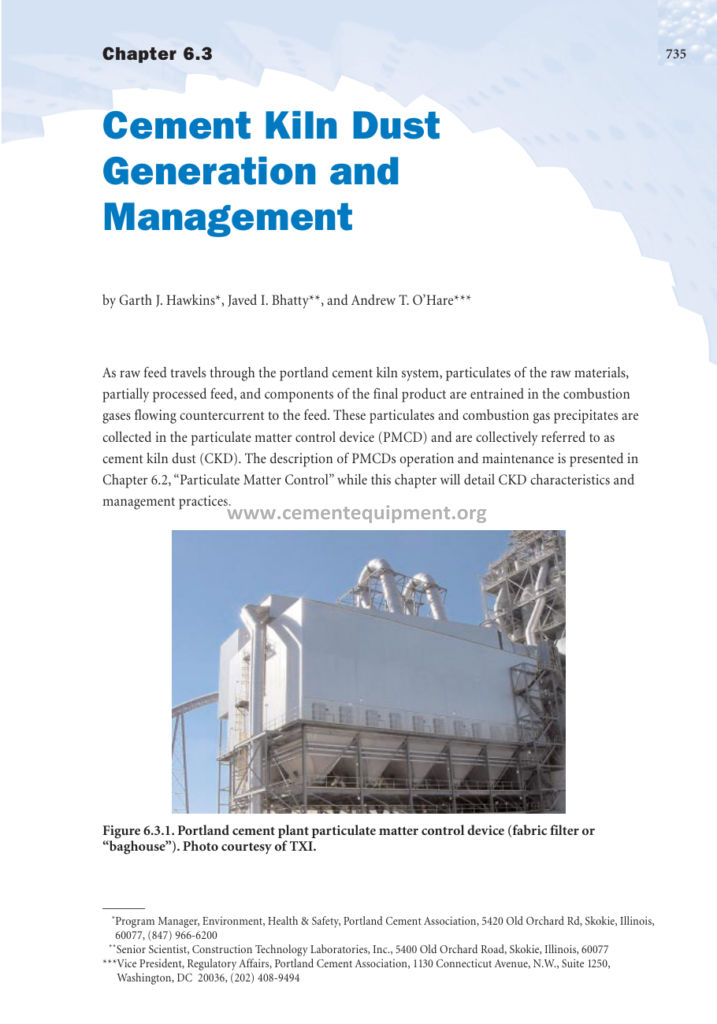
As raw feed travels through the Portland cement kiln system, particulates of the raw materials, partially processed feed, and components of the final
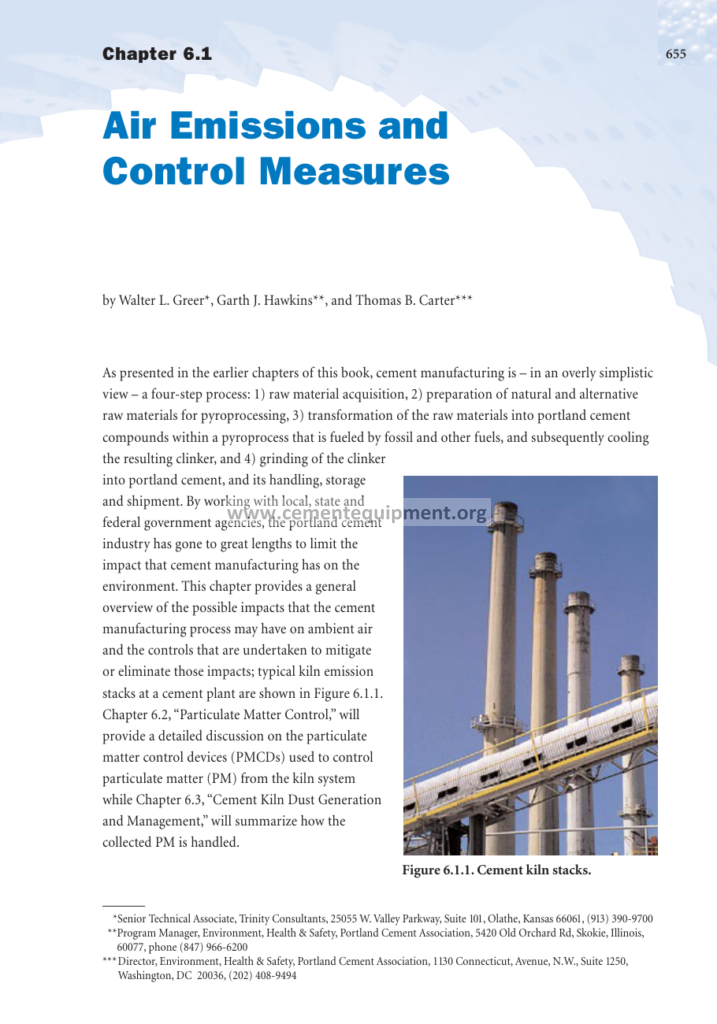
Cement manufacturing is, in an intentionally simplified view, a four-step process: raw material acquisition, preparation of the raw materials for pyro

Cement manufacturing is one of the most energy-intensive and material-intensive industries in the world. Every tonne of Portland cement produced requi
The low-carbon transition in the cement industry is the coordinated transformation of the world’s cement production so that its direct carbon dioxide
Bag filters are the fabric filtration systems that have served the cement industry for generations: a dust-bearing gas is intercepted by a permeable f
Bag filters , known in the cement industry as baghouse dust collectors, are the simple but highly effective devices that extract dust particles from a
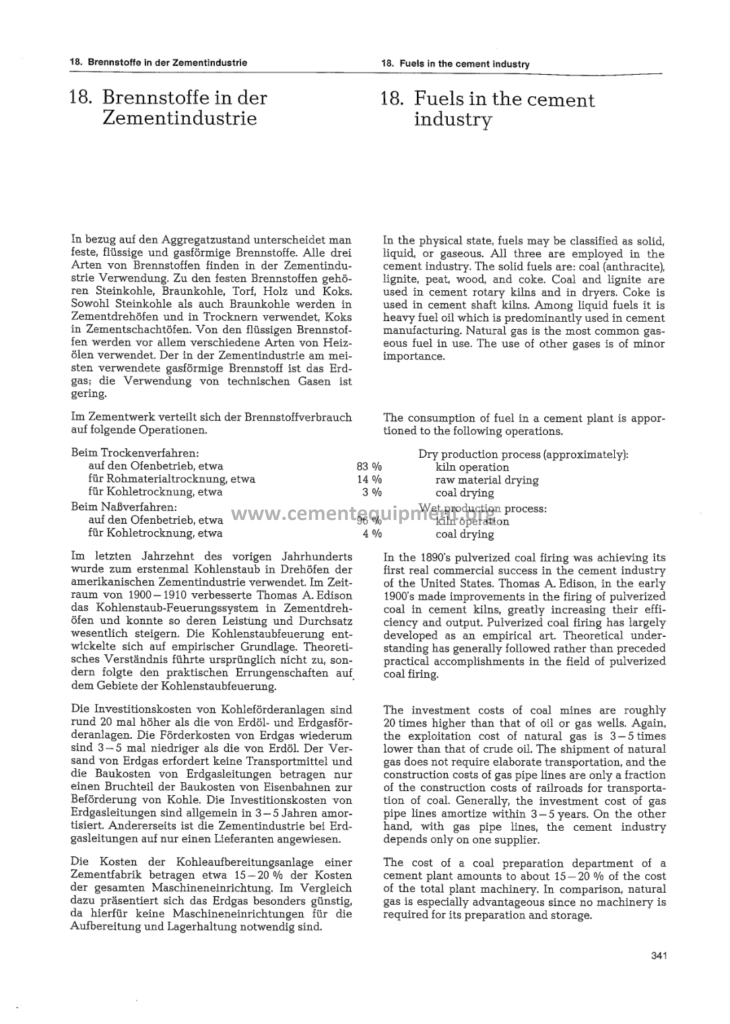
The cement kiln is a machine of fire: the raw meal becomes clinker at the 1,450 degrees and the heat that makes this happen comes from the fuel: the c
Thermal energy efficiency in cement is the discipline of the heat account of the kiln line: the measurement of the fuel that enters the process, the t

X-ray diffraction analysis (XRD) has been used for nearly one hundred years to identify and characterize the crystalline phases in solid materials, an
Free PDF — clinker chemistry, kiln sizing, ball mill power, and more. Enter your email and we'll send it immediately.
No spam. Unsubscribe anytime.
Your PDF is on its way. Plus 6 more emails with cement plant tips and case studies.