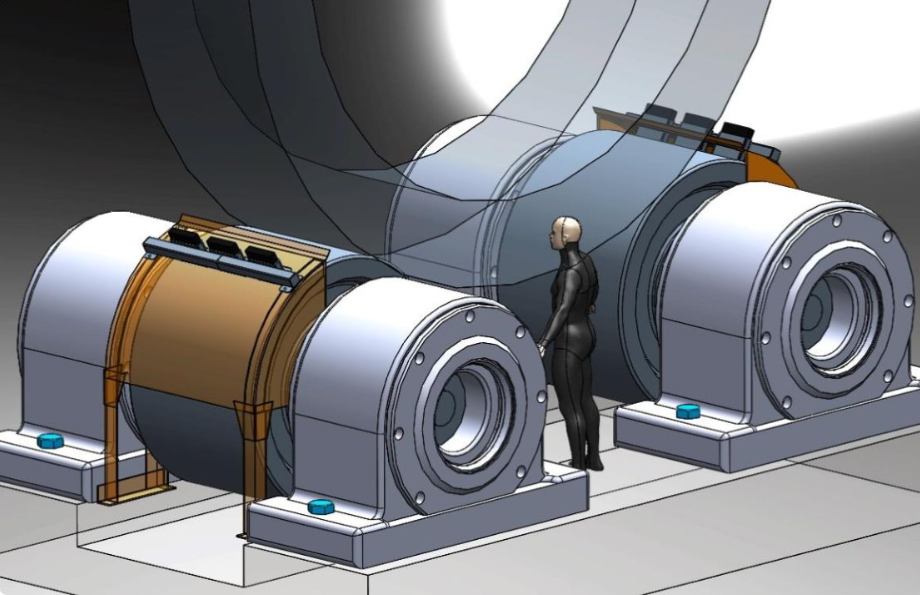
What It Is
Kiln shell replacement is the process of substituting worn, deformed, or cracked sections of the rotary kiln’s outer steel cylinder [O1]. This may involve replacing a single damaged ring or the entire shell assembly depending on the extent of the wear [S1].
The process requires specialized heavy-lifting equipment and precise welding techniques to ensure the new shell can withstand the extreme thermal and mechanical stresses of clinker production [S4].
Why It Matters in Cement Plants
The kiln shell acts as the primary containment vessel for the chemical reactions that create clinker [S2]. Any compromise in shell thickness or structural integrity can lead to shell deformation, which increases mechanical stress on the tires and rollers [S5].
Failure to address shell thinning or warping can result in sudden structural collapse or severe misalignment, leading to prolonged plant outages and significant financial losses [O1] [S6].
How It Works or How It Is Applied
The process begins with the precise marking and cutting of the damaged shell sections using oxy-fuel or plasma cutting tools [S2]. The kiln is typically supported by temporary rollers or jacks to maintain stability during the removal phase [S7].
New shell sections are then hoisted into place and aligned using laser measurement tools to ensure concentricity [S4]. Final integration is achieved through high-strength circumferential and longitudinal welding, followed by non-destructive testing (NDT) to verify weld integrity [S8].
Key Technical Considerations
Engineers must prioritize material compatibility and thermal expansion coefficients when selecting replacement steel [S3].
- Shell Alignment: Precise axial and radial alignment is mandatory to prevent uneven wear on the riding rings [S4].
- Weld Quality: Full-penetration welds are required to handle the cyclic loading and thermal expansion of the kiln [S8].
- Thickness Verification: Ultrasonic testing must be used to confirm that the new shell meets the original design specifications [S1].
Failure Risks or Common Mistakes
Improper execution of shell replacement can introduce new failure modes into the system [S5].
- Poor Alignment: Inaccurate positioning leads to ‘kiln wobble,’ which accelerates the wear of the rollers and tires [S6].
- Inadequate Heat Treatment: Failure to manage the heat-affected zone (HAZ) during welding can lead to brittle fractures [S7].
- Incorrect Support: Using improper temporary supports can cause the shell to ovalize during the replacement process [S2].
Practical Comparison or Decision Matrix
| Action. | When to Use. | Risk if Ignored. |
|---|---|---|
| Patch Welding [S1]. | Localized, shallow pitting or minor corrosion. | Deepening of pits leading to shell breach [S3]. |
| Sectional Replacement [S2]. | Localized deformation or severe thinning in one zone. | Structural instability and tire misalignment [S5]. |
| Full Shell Replacement [O1]. | Widespread fatigue, severe warping, or end-of-life. | Catastrophic shell collapse [S6]. |
The decision depends primarily on the results of ultrasonic thickness gauging and laser alignment surveys [S4].
Implementation Notes
Scheduling shell replacement during a planned annual shutdown is critical to minimize production impact [S6]. Coordination between the mechanical team and the refractory specialists is essential, as the new shell must be lined immediately after alignment verification [S7].
Rigorous post-installation monitoring, including shell temperature scanning, should be implemented during the first 100 hours of operation to detect any early signs of misalignment [S8].
Frequently Asked Questions
How often should shell thickness be measured?
Thickness gauging should be performed during every major shutdown to identify thinning zones [S1].
Can a shell be repaired without replacement?
Minor corrosion can be patched, but structural deformation usually requires sectional replacement [S2].
What is the most critical step in replacement?
Precise alignment and concentricity verification are the most critical factors for long-term stability [S4].
Which welding method is preferred?
Submerged arc welding or high-quality MIG/TIG welding is typically used for structural shell joints [S8].
How does shell replacement affect the refractory?
The refractory must be completely removed and re-installed in the replaced section to ensure a proper fit [S7].
Final Recommendation
For maximum plant reliability, engineers should adopt a proactive shell monitoring program using laser alignment and ultrasonic testing [S8]. When replacement becomes necessary, prioritizing precision alignment over speed will significantly extend the lifespan of the kiln and reduce the frequency of future interventions [S4].
Need a deeper technical reference base?
For a deeper reference library behind this topic, review the Complete Cement Industry Technical Package.