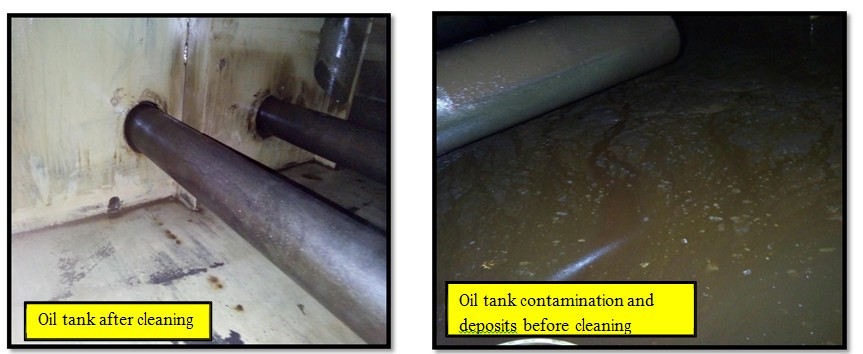

Treat an ISO 4406 change as evidence of a cleanliness trend, not as a diagnosis by itself. Confirm sampling quality, identify whether the particles are external contamination or internal wear, correlate water and machine-condition data, then remove the ingress or wear source before declaring the gearbox healthy.
Decide whether a dirty gearbox-oil result points to external dust ingress, active internal wear, water contamination, or inadequate filtration.
Use a representative sample, ISO 4406 particle count, water, elemental wear data and trend history together. Never diagnose from one number alone.
Choose RESAMPLE, FILTER, FIND INGRESS, INSPECT or ESCALATE based on repeatable evidence and the gearbox/OEM cleanliness target.
Record the as-found condition before intervention
- gearbox load, oil temperature and operating state at sampling
- exact sampling point and flushing method
- ISO 4406 trend and previous comparable samples
- water, wear-metal and ferrous-debris evidence where available
- filter differential pressure/bypass indication and breather condition
- vibration, bearing temperature and any abnormal noise trend
Fast diagnostic order
- Confirm the contamination result with a representative sample taken under comparable operating conditions.
- Separate particle contamination, water ingress, oxidation, and internally generated wear evidence.
- Inspect breathers, seals, filtration, oil-transfer practices, and maintenance exposure for the entry path.
- Compare filter differential pressure, wear-debris trend, bearing temperature, and gearbox vibration.
- After corrective work, resample and verify that cleanliness and condition trends are moving in the right direction.
1. Get a sample that represents the operating gearbox
Particle-count data is useful only when the sample represents the circulating lubricant. Record gearbox load, oil temperature, hours since startup, filter status and the sampling point. Sample from a live turbulent zone or the established condition-monitoring port, not sediment from a drain that has been idle. Flush the sample point and use a clean bottle. If a surprising result is inconsistent with vibration, temperature and previous oil trends, repeat the sample before authorizing intrusive work.
2. Read the ISO 4406 code as a trend, then identify the contaminant
The three ISO 4406 numbers describe particle populations above defined size thresholds. A worsening code tells the maintenance team that contamination control has deteriorated, but it does not by itself identify the source. Cement plants must distinguish airborne mineral dust entering through breathers or seals from metallic wear generated inside the gearbox. Combine particle count with elemental analysis, ferrous-debris or PQ information where available, water content, viscosity and visual inspection of breathers, seals and filter differential pressure.
A published cement-mill gearbox filtration case provides a useful example of trend interpretation: the initial oil was reported at ISO 25/22/16 with 251 ppm water; after offline fine filtration the measured cleanliness improved to 17/15/11 after 18 days, while iron reduced from 68 to 10 mg/kg in the later sample. Those values demonstrate what a successful contamination-control intervention can look like; they are not universal acceptance limits for every gearbox.
3. Use a decision sequence instead of changing oil blindly
Use when the result is an isolated jump, sampling conditions were poor, or laboratory data conflicts with machine condition. Confirm before intervention.
Use when solid contamination is high but machine-condition evidence is stable. Offline filtration without sealing the ingress path only treats the symptom.
Use when contamination rises together with ferrous debris, abnormal vibration, temperature, noise or filter debris. Plan inspection based on combined evidence.
- Do not replace a large oil charge only because the cleanliness code is poor.
- First decide whether filtration/dehydration can restore the oil and whether the contamination source can be removed.
- A cleaner particle count after filtration does not cancel evidence of active gear or bearing distress.
- Use vibration, temperature, debris and oil trends together to decide whether online correction is acceptable or inspection is required.
4. Field inspection checklist
- Inspect the breather condition, sizing and sealing.
- Check shaft seals for dust tracks or oil leakage.
- Verify inspection covers and filling points are closed and clean.
- Inspect filter differential pressure and bypass indication.
- Examine used filter elements for metallic debris.
- Check cooler integrity where water contamination is possible.
- Confirm transfer containers and top-up oil are clean.
- Review recent maintenance for any exposure of the gearbox interior to cement dust.
- Record every finding against the oil-sample date so the next sample can prove whether the corrective action worked.
5. Verify the correction
After filtration or ingress repair, resample under comparable operating conditions and close the problem only when all of these conditions are met:
- ISO 4406 cleanliness is moving toward the OEM/plant target and remains stable.
- Water content and wear indicators remain controlled.
- Vibration and bearing-temperature trends do not deteriorate.
- No rapid particle rebound suggests unresolved ingress, filter bypass or continuing internal generation.
- At least two comparable samples, where practical, confirm the improvement before a chronic contamination problem is declared closed.
Frequently asked troubleshooting questions
Does a worse ISO 4406 code always mean the gearbox is wearing internally?
No. External dust ingress, poor sampling or filtration problems can raise particle counts without active internal wear. Compare particle data with wear metals, ferrous debris, vibration and temperature.
Should contaminated gearbox oil always be replaced immediately?
Not necessarily. If the lubricant is otherwise serviceable, controlled filtration or dehydration may restore cleanliness, but the contamination source must also be eliminated.
What if the oil becomes cleaner but vibration keeps getting worse?
Treat the machine-condition evidence seriously. Cleaner oil after filtration does not cancel signs of bearing or gear distress; investigate the mechanical condition separately.
Related technical guides
Common mistakes that make the contamination return
- using a drain-bottom sample as if it represents circulating oil
- acting on one surprising particle count without a repeatable sample
- filtering the oil but leaving the breather, seal or handling ingress path open
- treating one generic ISO code as a universal alarm instead of the OEM/plant target
- declaring success from a cleaner oil sample while vibration, temperature or wear debris is worsening
References
C.C.JENSEN, cement mill main gearbox oil-filtration application study (ISO 4406 trend and laboratory results); ISO 4406 particle-count coding should be interpreted against the equipment manufacturer’s cleanliness requirement and plant condition-monitoring baseline.