Cement Production and Grinding: Full Guide
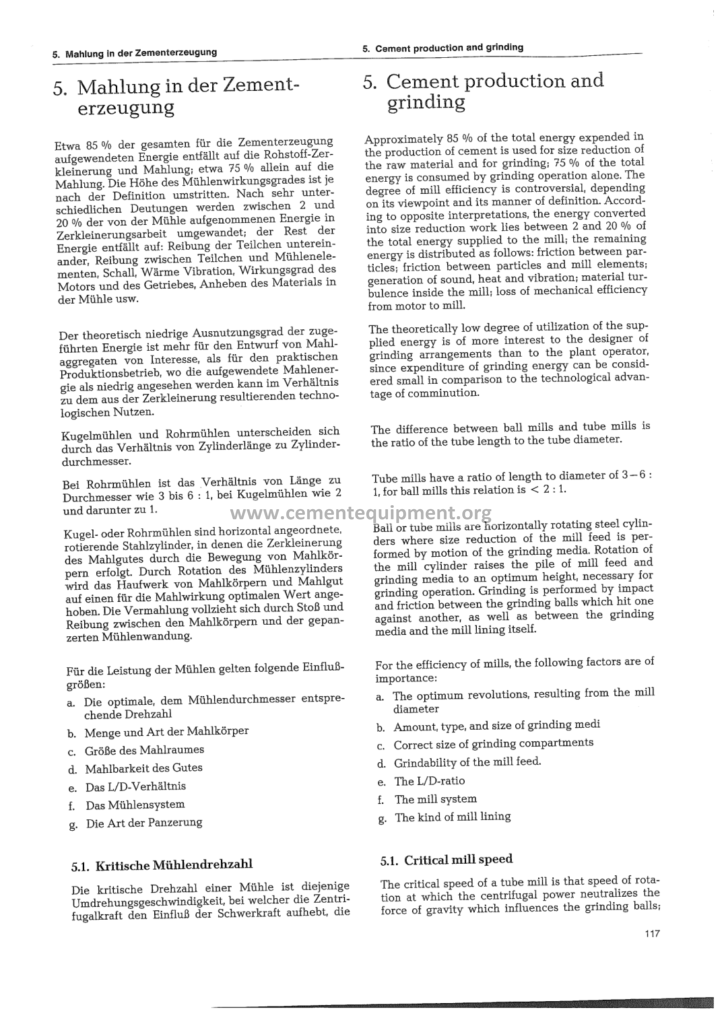
Cement production and grinding (module 05 of the cement training series, 10 pages) is the training module of the last major transformation of the process: the finish grinding: the clinker that left the cooler enters the finish mill, meets the gypsum and the additions, and leaves as the fine powder that the world calls cement: the module presents the production of the cement: the grinding circuits of the finish mill and their machines, the separators and the classifiers, the fineness and the surface area, the quality of the finished product and the running of the grinding department: it is the module of the dispatch quality: the last door of the plant.
The Complete Cement Technical Package (931 files: books, courses, Excel tools and presentations, $249.99 one-time, instant download via the PayPal payment) delivers this module with its milling family: the work index module, the ball data module, the mill drives, and the books and the tools of the grinding: this guide presents the content of the module: the cement, the mill, the circuits and the quality of the finished product.
1. The Place of the Finish Grinding in the Plant
The cement plant is a chain that ends in dust: the clinker from the cooler, the gypsum from the store, the additions (the limestone, the slag, the fly ash in the blended cements) all meet at the finish mill, and the mill turns them into the powder of the 300–500 m2/kg: the finish grinding is the last transformation and the only one whose product is shipped: every bag, every silo, every truck is the child of the finish mill: the module opens with this place of honor, and the plant’s quality and its dispatch belong to the department the module teaches.
The module is the finishing module of the production family: after the raw (01–04), the pyro and the clinker, the finish module closes the physical transformation and hands the torch to the testing and the dispatch: the trainee of the series recognizes the module as the last workshop of the factory: the same factory, one more step, the powder of the product.
2. The Machines of the Finish Grinding: The Ball Mill
The module teaches the machine that dominated the century: the ball mill:
- The anatomy: the rotating cylindrical shell, the liners of the compartments, the grinding media (the balls of the chromium steels), the diaphragm between the compartments, the feed end with the inlet, the discharge end with the outlet grate: the module: the mill as the big drum of the plant;
- The compartments: the first compartment for the coarse breaking (the large balls, the lifting liners), the second for the fine grinding (the small balls, the classifying liners), the third in the multi-compartment mills: the module: the length and the ratio: the design of the shell;
- The grinding action: the balls cascade and the cataracts: the impact and the attrition: the module: the ball charge and the mill speed analyses: the module: the critical speed and the operating speed (70–75% of the critical): the numbers of the mill;
- The drives and the bearings: the girth gear, the pinions, the gearboxes, the ball bearings or the slide shoe bearings of the modern mills: the module: the lubrication and the alignment: the module: the drive family in the parallel module of the drives;
- The liners: the profiles, the materials and the economy: the module: the liner: the ball charge: the two consumables of the mill: the maintenance plan of the module;
The ball mill chapter is the biggest of the module, and the module of the detail numbers (the ball data, the mill dimensions) in the series deepens every line: the trainee learns the drum of the factory and its language: the module: the ball mill is the heart of the finish plant.
3. The Circuits of the Finish Mills: Open, Closed and the Third Generation
The mill does not grind alone: it sits inside a circuit, and the circuit decides the quality of the product:
- The open circuit: the product flows through the mill and out, one pass: the simple plants: the module: the open circuit for the special products (the fine cements) where the sharpness of the distribution is protected;
- The closed circuit: the shell and the air separator classify the discharge into the fine (the product) and the coarse (the return to the mill): the module: the closed circuit raises the capacity and controls the fineness: the recirculation ratio: the module: the loop and its loads: the product of the separator;
- The separators: the first-generation mechanical, the second-generation whizzer, the third-generation dynamic (the cage rotors and the air swept): the module: the separation sharpness of the modern classifiers: the module: the cutoff: the control;
- The material flow: the rejects, the bucket elevator, the belt and the airslide: the circuit of the product: the module: the complete diagram of the finish loop: the design: the numbers;
The circuit chapter is the central design lesson of the module: the same mill with the right circuit and the right classifier produces the quality the market demands: the module: the trainee: the loop: the same unit, better.
4. The Fineness and the Determination of the Quality
The quality of the finished cement is the fineness and its measurement: the module devotes the chapter:
- The fineness sieves: the retained % on the 45 micron (the classic sieve, the 325-mesh), the module: the R45: the first number of the quality: the plant: the typical: the 8–12% for the OPC;
- The Blaine surface: the air permeability of the bed of the cement, the specific surface in the m2/kg: the module: the Blaine of the OPC: the range of the 3000–3800 (the 300–380 m2/kg): the module: the typical: the 3500–4000;
- The particle size distribution: the laser granulometry: the full curve: the module: the tail of the distribution and its effects: the module: the RRSB: the distribution of the residue: the new the module of the plant;
- The early strength and the fineness: the finer cement hydrates faster: the 1-day and the 2-day strength: the module: the trade: the fineness raises the early strength the late water demand, and the cost of the mill energy: the module: the optimization: the fineness balance;
The fineness chapter is the language of the finish quality: the plant speaks the Retained, the Blaine and the distribution, and the module gives the ears: the quality of the cement shipment: the paper: the numbers: the module: the fineness: the filename: the module of the powder.
5. The Operation of the Finish Mill: The Shift of the Grinder
The circuits and the machines are only as good as the shift that runs them, and the module teaches the operation of the finish grinding like the plant’s logbook teaches the control:
- The start-up and the shutdown: the sequence of the module: the auxiliaries first (the collectors, the fans, the water systems), the mill motor started at the low load, the feed increased to the target gradually, the temperature watched: the reverse order at the shutdown: the module: the mill start is a procedure, not a habit: the discipline of the shift;
- The control of the mill sound: the classic ear of the mill: the ball charge of the first compartment roars in the microphone: the modern vibration transducers feed the control system: the module: the sound is the stock of the mill: the operator who reads the sound reads the charge;
- The temperature control: the mill circuit temperature, the material temperature at the discharge, the gypsum protection: the module: the water spray of the second compartment: the module: the temperature of the mill is the temperature of the gypsum: the sulfate discipline of the module 03;
- The balancing of the compartments: the first compartment overfilled: the mill bangs; the second starved: the coarse in the product: the module: the balancing of the mill: the diagonal fill: the module: the adjustments of the day: the art of the grinder;
- The separator control: the classifier speed and its settings: the module: the fineness of the product follows the separator: the operator sets the targets: the loop closes on the laboratory: the module: the control: the resonance of the circuit;
The operation chapter is the module’s practical soul: the trainee who runs the shift of the finish with the module knows the sound, the temperature, the grinding and the balance of the mill: the module gives the tradition of the miller, respected by the modern control systems: the operator of the module is the operator of the plant.
6. The Energy of the Finish: The kWh per Tone
The finish grinding is the great electric consumer of the plant, and the module gives its energy accounting its own chapter:
- The energy of the grinding: the typical finish grinding draws the 30–45 kWh per tone of the cement depending on the fineness and the materials: the module: the bill of the mill: the energy is the second big cost of the cement after the fuel of the kiln;
- The work index: the Bond work index of the clinker (the companion module 06 of the series) drives the calculation of the mill power: the module: the energy to grind from the feed size to the product size: the module: the kWh per tone as the metric of the mill: the bond of the numbers;
- The energy price of the fineness: each target of the fineness trades against the energy: the module: the 380 and 420 m2/kg against the power: the law of the pair: the module: the fineness pushes the energy: the economy of the target;
- The efficiency tools: the third-generation separators, the pre-grinding and the vertical mills: the module: the paths of the energy: the mill of the future: the module: the tools of the package: the modern line;
The energy chapter is the modern chapter: the finish mill is the battlefield of the electricity: the plant of the decarbonization era counts the kWh and the CO2 of the same meter: the module: the strategies of the finish: the sustainability and the cost: the same numbers: the counted, the finished, the cement.
7. The Grinding Aids and the Rising of the Efficiency
The modern finish mill uses the aids of the grinding, and the module presents the practice of the day:
- What the aids do: the surface-active chemicals that reduce the particles’ cohesion and the coating: the module: the aid: lower the mill temperature, higher the throughput, the improvement of the powder flow: the module: the drops: the retirement;
- The types: the glycols, the amines and the commercial blends: the dosing rates of the tens of grams per tone: the module: the aids: the proportioning: the meter and the pump: the module: the control;
- The interaction with the cement: the aids and the admixtures, the strength and the storage: the module: the compatible: the certified: the module: the helpers;
- The economics: the aid cost vs the mill gain: the module: the 3–10% of the capacity, the energy saved: the module: the decision of the aid: the ROI of the module;
The aids chapter is the practical edge: the module gives the modern trick with the honest caveats: the aid is the egg of the mill: no replacement for the right circuit and the right charge: the module: the complete picture of the grinding.
8. The Blended Cements: The Grinding of the Additions
The cement of today is blended, and the module teaches the grinding of the additions:
- The components of the blend: the clinker, the gypsum, the limestone, the slag, the fly ash, the pozzolan, the SCMs: the module: the proportions of the EN 197 and the neutral types: the module: the intergrinding;
- The intergrinding vs separate: the module: the intergrinding (all in the same mill) vs the separate grinding and the blending: the module: the hardness differences: the elective grinding of the material: the module: the product: the two: the module: the exact:
- The gypsum and the SO3: the sulfate control of the finish: the module: the interaction with the gypsum: the finish mill is where the sulfate story (module 03) ends: the module: the cross-reference: the pair;
- The specialty products: the white cement (the oil, the gypsum, the pure: the modules), the sulfateresistant (the ferrite and the C3A), the rapid: the module: the grinding: the module: the special: the factory: the range;
The blended chapter positions the module in the modern cement: the finish mill is no longer the simple grinder of the clinker: it is the mixer of the sustainability: the module gives its operator the modern product line: the module: the cement of the portfolio: the one.
9. The Quality Control of the Finish Cement
The finish module closes with the quality station: the cement is the most tested product of the industry:
- The tests of the finished cement: the fineness, the setting times (the initial and the final), the soundness, the strength mortar (the 2, 7, 28 days), the strength condition, the SO3: the module: the complete screen of the laboratories;
- The sampling of the dispatch: the samples of the silo, the day production composites, the certification: the module: the sample: the law: the module: the trace;
- The control of the process: the mill bearings the temperature, the power draw, the separator: the module: the control room of the grinding: the loop: the fineness: the module: the real-time of the modern mills: the module: the closed loop: the quality;
- The production systems: the samplers, the online analyzers: the module: the advanced: the cement of the product and the automation: the module: the control of the product: the final;
The quality chapter closes the module the way the plant closes the day: the tested silo, the shipped truck: the module: the cement manager: the last quality gate: the fineness, the setting, the strength of the day: the module of the production.
10. The Module in the Series and the Safety of the Grinding
The grinding departments carry their hazards, and the module holds the safety chapter in its pages:
- The dust: the cement dust of the mills and the packing: the respiratory protection: the module: the dust: the filters: the module: the ventilation;
- The noise: the mills and the separators: the hearing protection: the module: the exposure: the rules;
- The heat and the machines: the mill bearings, the elevators: the mechanical hazards of the drives: the module: the lockout: the module: the guards;
- The hot surfaces: the mill shell and the ducts: the module: the access: the gloves:
The safety pages close the module 05 as they closed the module 03: the safe operator of the finish, the plant: the module: the finish: the safe: the professional: the final.
11. The Mill Data and the Correlations: The Discipline of the Numbers
The last teaching section of the module is the discipline of the numbers: the finish department lives with the empirical correlations that the companions quantify and that the operator must respect:
- The ball data: the charge volumes and the diameters of the companion module 07: the module: the charge of the compartments and the topping-up: the ball data sets the mill practice: the module: the balls are the teeth of the drum and the ratios of the data are the dental chart;
- The specific power: the specific mill volume and the power demand (the companion module 11): the module: the rpm and the volume of the frame: the power of the shell: the discipline: the module: the sizing of the new mill: the numbers of the design;
- The retention time: the residence of the material in the mill: the module: the throughput: the retention defines the fineness: the module: the circuit: the module: the book of the design: the practical relations of the mill: the same family;
- The correlations: the fineness versus the strength, the Blaine versus the retention, the kWh per tone versus the product: the module: the correlations are the habits of the plants: the predictive: the module: the plant knows the answer of the next day from the numbers of the evening;
The numbers chapter ties the module to its siblings: the Bond, the data, the dimensions: the family of the grinding trainer: the trainee who completes the module and the series understands that the finish mill is the most empirical machine of the plant: the module and its numbers: the profession: the cement of the powder: the module of the numbers: the roller of the discipline: the cement grinding, complete.
13. The Workshop of the Module: The Exercises of the Finish
The module closes its teaching with the workshop that the series standardizes, and the finish grinding exercises anchor the lessons of the pages:
- The exercise of the circuit: the trainee draws the closed circuit of his own finish mill: the mill, the bucket elevator, the separator, the fans, the returns: and marks the control points: the exercise of the module: the diagram of the plant in the hand of the trainee;
- The exercise of the numbers: the given mill, the given Blaine and the charge: the trainee computes the filling and the specific power with the correlations of the siblings: the module: the arithmetic of the finish, on paper, in the class;
- The exercise of the quality: the given test results of the cement (the fineness, the setting, the strength) and the questions of the interpretation: the trainee reads the day of the mill from the composite: the module: the interpretation is the mastery;
- The quiz of the module: the ten questions: the circuits, the fineness, the aids, the quality: the answers of the series: the grading: the module: the certificate: the completion of the module in the records of the plant:
The workshop is the measure of the module: the trainee completes the finish training with the drawn circuit and the computed numbers: the plant records the results of the workshop in its training files: the module: the measured, the certified, the grinders of tomorrow.
14. Frequently Asked Questions
Why is the module small (10 pages)?
The module is the concise training of the finish: its family in the package: the modules of the Bond, the ball data, the drives, the mill shell: the pages of the detail: the 10 pages of this module are the frame of the finishing, and the family fills the frame: the trainee takes them together: this one for the overview, the siblings for the numbers: the pair: the complete;
Is the finish grinding the most energy-hungry department?
After the kiln: the cement mill and the raw mill consume the major share of the plant electrical energy (about 30–40% of the total electric bill for the two): the finish mill with its separators: the drive efficiency: the module: the electricity: the cost: the plant: the mills are the valley of the electrical: the module: the kWh/t: the reference;
How does the module relate to the Blaine corrпelations of the package?
the module: the ball data tables of the companion (07) hold the charge weights: the work index of the Bond (06) holds the power numbers: this module holds the circuits and the quality: the trilogy reads as one: and the laboratory modules hold the test methods: the Complete: the module: the shelf: the own:
Is the finish grinding the same in the white cement plants?
No, and the module knows the difference: the white cement grinding guards the absence of the iron (the balls and the liners ceramic, the careful contamination) and the fineness higher: the module of the finish gives the bases, and the specialty modules of the package treat the white cement in detail: the trainee of the white plant reads the module with the ceramic eyes: the same circuits, the stricter rules: the module opens the door to the specialty.
What separates a good grinder from the average in the reviews of the plant?
The module’s quiet answer: the attention: the good grinder holds the sound, the temperature and the separator in the balance; the average waits for the alarms: the module trains the attention: the round of the mill, the readings of the trend, the discussion with the laboratory: the grinder of the module is the one who sees tomorrow’s problem tonight: the plant knows the difference in the costs of the mill.
What is the practical distinction between the 10-page module and the thickness of the grinding books?
The module is the formation: the readable, the examinable, the summary of the grinding department in the language of the professional: the books of the package (the Duda chapter on the grinding, the Lea on the cement) are the reference: the table of the details: the two work as the course and the library: the trainee studies the module in the day and consults the books in the years: the package spots the pair: the small door and the deep shelves: the same building.
The training trail of the finish grinding is therefore a complete path: the ten pages of this module give the map of the finish (the mill, the circuits, the fineness, the quality); the sibling modules give the numbers (the work index, the ball data, the dimensions, the drives); and the shelf of the books gives the depth of the details and the history of the industry: the path is one, and the package holds each of its steps: the trainee of the complete package never hits a wall: the finish of the cement, from the map to the reference, in the same library at the price of the single payment.
Who should take the module first in the plant?
The three groups of the grind: the operators of the finish mills and their supervisors, the engineers of the quality who certify the fineness, and the electrical and mechanical crews of the mill department: the module serves the three with the same pages: the plant sequences the groups by the weeks of its training plan: the first group the operators, the second the quality, the third the mechanics: the records of the module: the shared language: the mill of the plant.
How do I get the module?
The module arrives with the Complete Cement Technical Package: the 931 files: the series, the books, the tools and the calculations: the one-time 249.99: the PayPal: the instant download: the finish grinding of the module and the whole cement production: the lifetime of the professional.
15. Conclusion
Cement production and grinding: the module of the last door: 10 pages on the finish mill, the circuits, the fineness, the aids, the blended and the quality: the module of the powder: the production: in the Complete Cement Technical Package it stands with its siblings of the milling, the books and the tools: the one-time payment and the lifetime: from the clinker to the certificate, the grinding module accompanies the finished cement: the last floor of the ladder: the product of the plant: the powder of the world: the module.
For the trainee who completes the module together with its siblings in the series: the milling corner is complete: the Bond work index, the ball data, the mill dimensions and the drives joined into the one complete picture of the finish grinding: the numbers and the machines, the circuits and the quality: the trainee owns the finish department: and the plant, whose operators pass the module at the same station: the grinding of the cement is the last value of the plant, and the module is the last value of the training: the complete package delivers the sequence as the family delivers the finish: together: for the 249.99, the instant access, the professional, the life.
The plant keeps one more memory of the module: the finish mill is the machine the visitor remembers: the drums, the sound, the bags: the module teaches the professional version of the machinery: what the sound means, what the powder hides, what the next shift will bring: the module of the cement grinding: the last step of the production ladder of the package: the finished cement of the world: in the hands of the trained.
Get this module + the full 931-file package
$249.99 — one-time purchase, instant download, lifetime access
This file is part of the Complete Cement Technical Package (931 files) available from cementequipment.org. Respective rights holders; library copy for the licensed single user.