Control Technique Practical Work: Complete Technical Guide
Control technique practical work is the discipline that keeps the cement plant alive: the art of reading the signals, comparing them with the target a
Looking for the downloadable Cement Technical Package? You are browsing the free article archive. Compare the Excel Tools Pack ($49), Engineering Essentials ($99) and Complete Reference Package ($249) on our sales page.
View packages, contents and checkout → See real file previews
Control technique practical work is the discipline that keeps the cement plant alive: the art of reading the signals, comparing them with the target a

Comminution engineering is the discipline of size reduction: the art and the science of breaking rock down to the powder that the kiln burns and the c

Combustion, gasflows and gas composition form the invisible machinery of the cement plant: the gas that heats the kiln, the draft that moves it, the o
Coal storage and proportioning is the fuel management department of the cement plant: the receipt, the storage, the reclaiming, the blending, the dryi
The clinker cooler is the last reactor of the burning line and the first conveyor of the clinker route: it receives the red-hot clinker at 1350–1450°C

Circulation phenomena are the invisible chemistry of the rotary kiln system. Potassium, sodium, sulfur and chlorine enter with the raw meal and the fu
Cement grinding is the last mechanical process of the cement plant and the first quality process seen by the customer. The finish mill converts clinke

Raw material homogenization is the quiet discipline that decides the quality of every tonne of clinker before the kiln ever sees it: the quarry delive
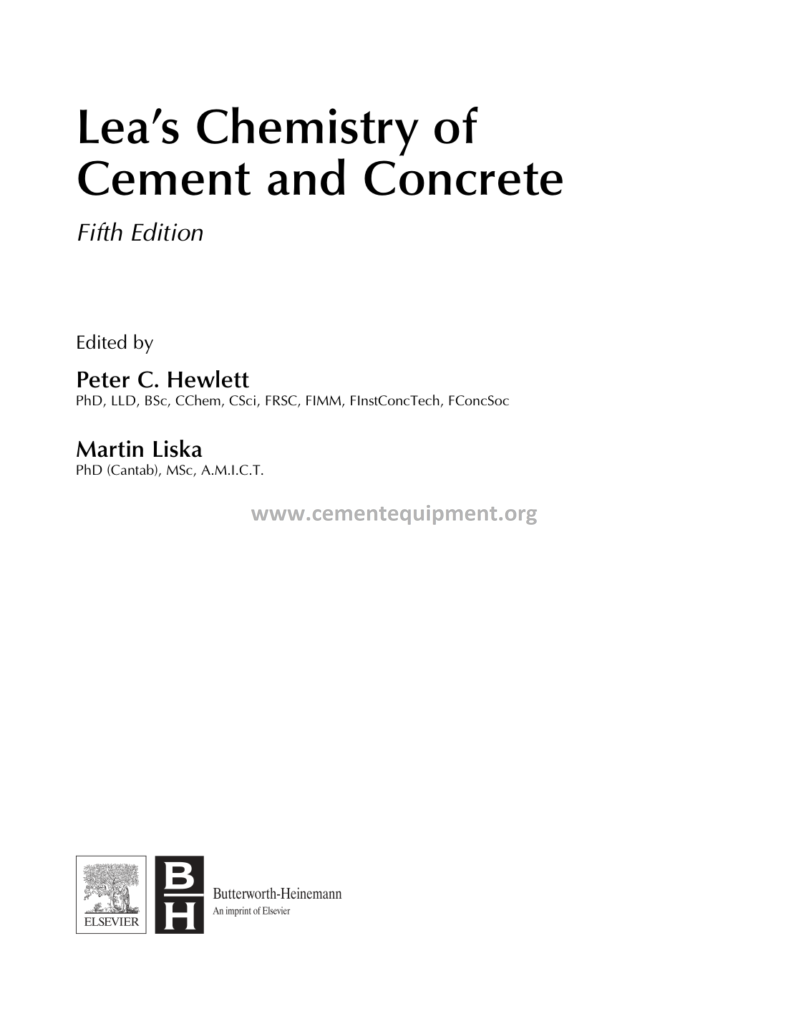
Lea’s Chemistry of Cement and Concrete is the most authoritative reference work in the history of cement and concrete science. The Fifth Edition , edi

The KPI Handbook V9 2017 is the operational-accounting reference of the cement industry: a structured dictionary of the key performance indicators tha
Free PDF — clinker chemistry, kiln sizing, ball mill power, and more. Enter your email and we'll send it immediately.
No spam. Unsubscribe anytime.
Your PDF is on its way. Plus 6 more emails with cement plant tips and case studies.