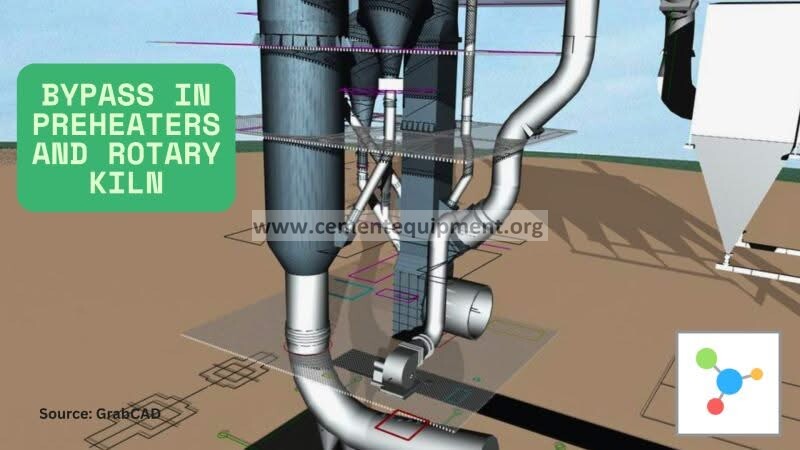
Cement Kiln Operation Guide
Optimal cement kiln operation balances temperature, residence time, and fuel mix to achieve target clinker chemistry while minimizing energy consumption and emissions. Key parameters include 1450–1550 °C kiln temperature, 30–45 s residence time, 0.6–0.8 % free lime, and 0.8–1.2 % LSF, with continuous monitoring of kiln ovality, cyclone pressure, and kiln shell integrity.
Mechanism and Root Cause Analysis
The cement kiln is a complex, high‑temperature reactor where raw meal is transformed into clinker. The process hinges on a delicate heat balance: fuel combustion, heat transfer through the kiln shell, and the exothermic reactions of calcium silicates. Any imbalance can lead to sub‑optimal clinker chemistry, excess free lime, or energy waste.
Key root causes of operational inefficiencies include:
- Inadequate fuel mix: Using high‑ash alternative fuels without proper pre‑burn can raise the kiln temperature beyond the optimal 1450–1550 °C, causing excessive free lime and higher CO₂ emissions.
- False air injection: Improperly calibrated false air dilutes the combustion zone, reducing flame temperature and leading to incomplete calcination of CaCO₃.
- Kiln ovality: Excessive ovality (>0.5 %) alters the flow path, causing uneven temperature distribution and increased wear on the kiln shell.
- Cyclone blockage: Accumulation of ash or clinker fines in the cyclone reduces pressure drop, forcing more material to bypass the combustion zone and lowering overall heat transfer.
- Inadequate residence time: Short residence times (<30 s) prevent full conversion of CaCO₃ to CaO, while overly long times (>45 s) waste energy and increase CO₂.
- Kiln shell degradation: Corrosion or cracking reduces thermal conductivity, leading to hot spots and uneven clinker quality.
Understanding these root causes allows operators to target specific corrective actions rather than applying generic fixes.
Parameter Ranges for a Modern 1 MW Cement Kiln
| Parameter | Optimal Range | Typical Measurement Method |
|---|---|---|
| Kiln Temperature | 1450–1550 °C | Thermocouple array, IR pyrometer |
| Residence Time | 30–45 s | Flow meter & time‑of‑flight |
| Free Lime (CaO) | 0.6–0.8 % | X‑ray fluorescence (XRF) |
| Low‑Sulphur Fuel (LSF) Content | 0.8–1.2 % | Fuel analysis, calorimeter |
| Kiln Ovality | ≤0.5 % | Laser scanning, ultrasonic |
| Cyclone Pressure Drop | 0.8–1.2 kPa | Pressure transducers |
| False Air Ratio | 0.15–0.25 % of total feed | Mass flow controllers |
| Residence Time Variance | ±5 s | Statistical process control |
| Specific Heat Consumption | 0.5–0.6 MJ/kg clinker | Energy audit |
Step‑by‑Step Practical & Diagnostic Guidance
- Pre‑Startup Checks
- Verify kiln shell integrity via ultrasonic inspection; flag any cracks >2 mm.
- Confirm cyclone clearance; perform a quick ash sweep if pressure drop >1.2 kPa.
- Check false air mass flow controller calibration; set to 0.20 % of total feed.
- Fuel Feed Management
- Blend primary fuel with LSF to maintain 1.0 % LSF; adjust if XRF shows >1.2 %.
- Use pre‑burner for high‑ash fuels; set pre‑burn temperature to 650 °C.
- Monitor fuel calorific value; adjust feed rate to keep kiln temperature within 1450–1550 °C.
- Temperature & Residence Time Control
- Use a PID loop on the kiln temperature setpoint; adjust feed rate and false air to maintain target.
- Measure residence time via flow meter; if <30 s, increase feed rate or reduce false air.
- If >45 s, reduce feed rate or increase false air.
- Clinker Quality Monitoring
- Run XRF on clinker samples every 30 min; target free lime 0.6–0.8 %.
- Check CaO/SiO₂ ratio; aim for 1.5–1.7 to ensure proper binder strength.
- If free lime >0.8 %, investigate fuel mix or temperature overshoot.
- Kiln Ovality & Shell Scanning
- Perform laser scan weekly; correct any ovality >0.5 % by adjusting support bearings.
- Use infrared thermography to detect hot spots; correlate with shell defects.
- Emission & Energy Audit
- Measure CO₂ and NOₓ emissions; compare against baseline.
- Calculate specific heat consumption; aim for <0.55 MJ/kg clinker.
- Adjust fuel blend or false air to reduce energy use without compromising clinker quality.
- Routine Maintenance
- Replace cyclone liners every 6 months or when pressure drop exceeds 1.2 kPa.
- Lubricate kiln bearings monthly; inspect for wear.
- Schedule kiln shell cleaning every 12 months to remove scale.
Frequently Asked Questions
What is the optimal kiln temperature range for a 1 MW cement plant?
The recommended temperature range is 1450–1550 °C. Staying within this band ensures complete calcination of CaCO₃ while preventing excessive free lime formation